

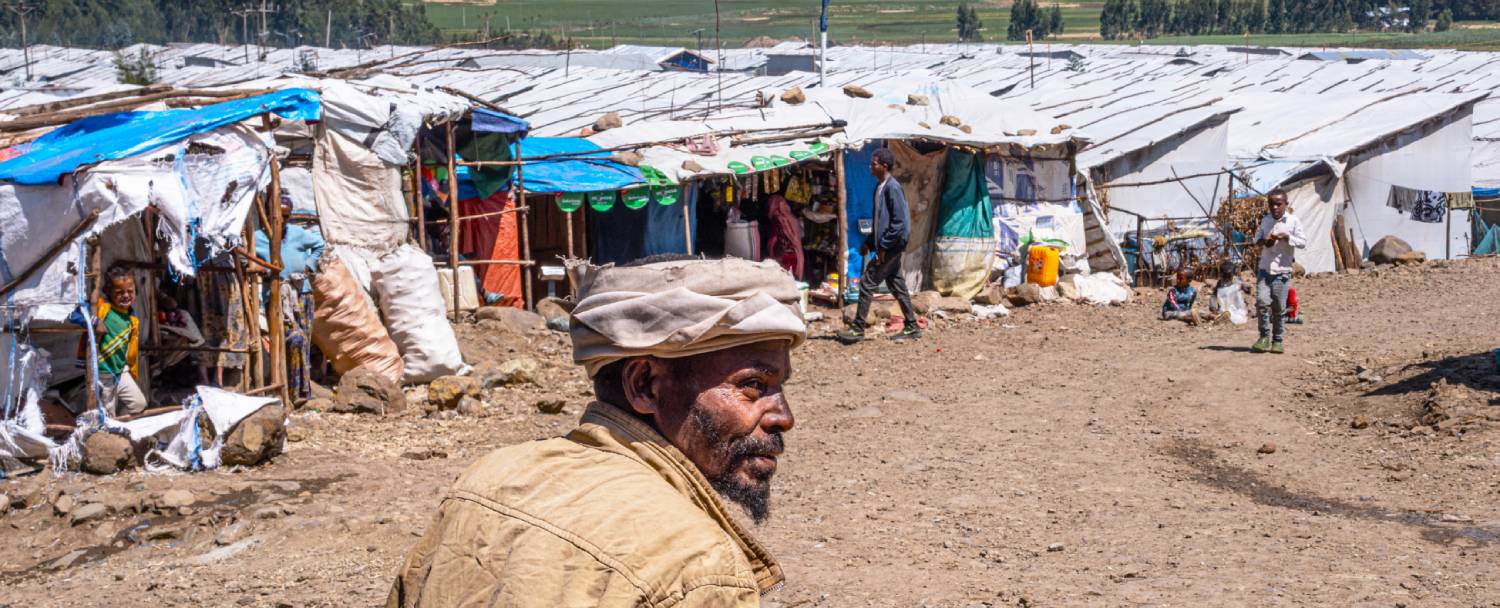
A man walking at the Bakelo Camp housing thousands of internally displaced Amharas resulting from militia conflict in Ethiopia’s Oromia region. (Photo: AFP/Marco Simoncelli)
Attacks launched by the Tigray People’s Liberation Front (TPLF) and its allies against the federal government in September 2026 raised fears of a return to the destructive conflict of 2020-2022, in which an estimated 600,000 people perished. While the federal government subsequently regained control over virtually all of the territories taken during the offensive, concerns persist that instability in northern Ethiopia could trigger a wider regional war—potentially colliding with the catastrophic conflict in Sudan and drawing in rival, well-resourced Gulf States.
Overshadowed by these regional tensions are Ethiopia’s ongoing domestic security challenges. The TPLF attacks were launched under the rubric of the so-called “Alliance for Survival”—comprised of a disparate coalition of seven Ethiopian armed groups:
- Tigray People’s Liberation Front (TPLF)
- Oromo Liberation Army (OLA)
- Amhara Fano National Movement (AFNM)
- Ogaden National Liberation Front (ONLF)
- Afar Revolutionary Democratic Unity Front (ARDUF)
- Benishangul People’s Liberation Movement (BPLM)
- Gumuz People’s Democratic Movement (GPDM)
Representing dissident factions from their respective regions, the stated objective of the Alliance is to overthrow the government of Prime Minister Abiy Ahmed. While loosely organized (the alliance was declared just weeks before the September attacks), each of the seven groups had taken up arms against the government over the preceding years (and in some cases decades). Some were part of a precursor alliance formed in 2006.
The Ethiopian federal government’s 2023 decision to integrate all regional militias under the federal army or police following the destructive Tigray conflict has met armed resistance from these and other militias, propelling an escalation in violent clashes in recent years.
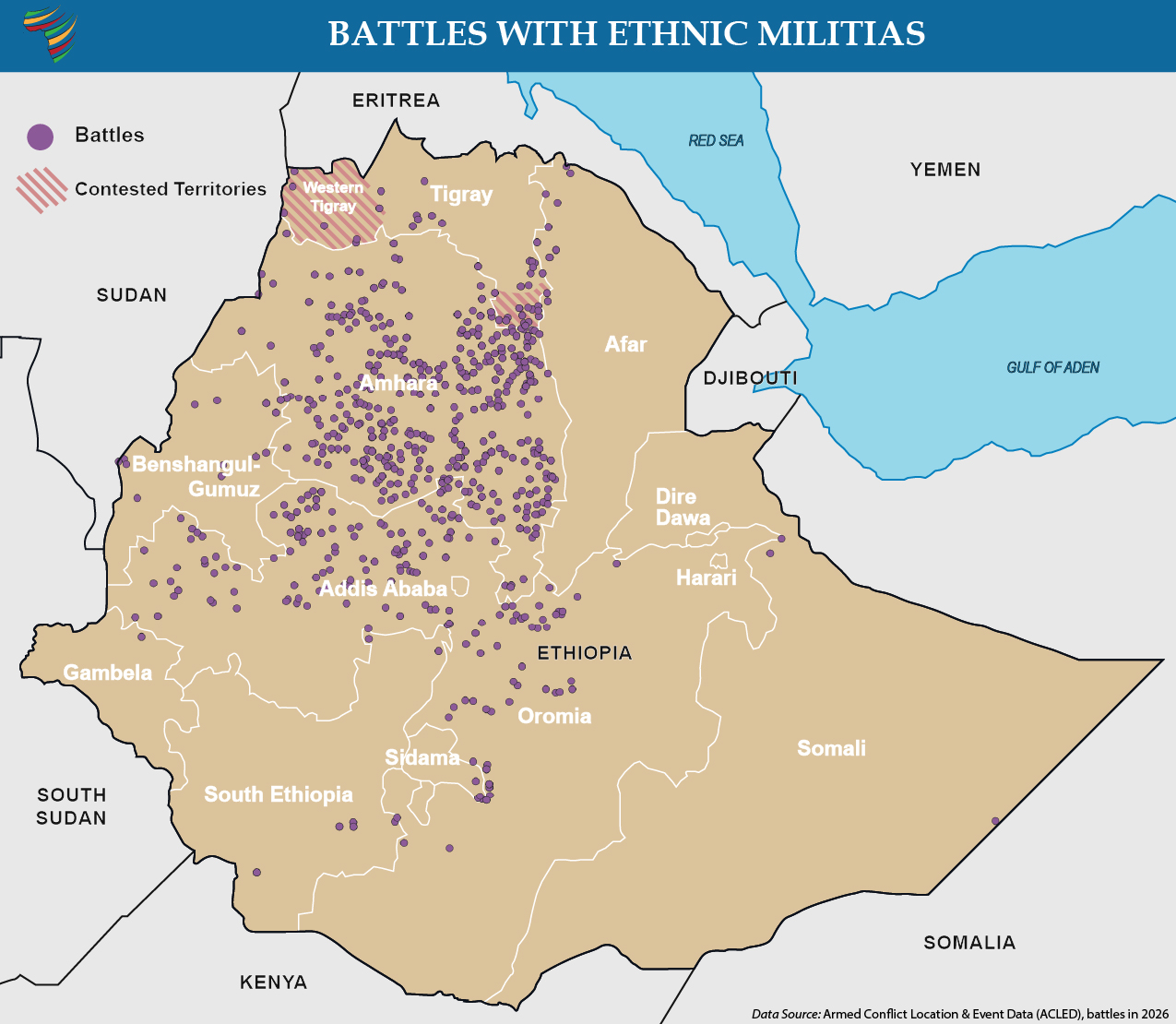
Fighting involving these groups and federal forces has resulted in an average of 1,500 clashes and 4,900 battle-related fatalities annually since 2024. Roughly 90 percent of these fatalities are linked to two groups: the Amhara Fano National Movement (60 percent) and the Oromo Liberation Army (30 percent). Left to fester, the threat from regional militias poses a deeper source of instability for the country.
Ethiopia’s ethnic federal model represents a source of structural instability.
The militias’ unwillingness to disarm and accept a unitary chain of command under the federal government exposes a structural defect in Ethiopia’s ethnic federal model. Established by the TPLF-led federal government in 1995, the model created ethnically based jurisdictions and gave regions the right to secede. The constitution also authorized regional police forces, which have evolved into militarized special forces.
Experience from other federal systems shows that ethnically based political jurisdictions and autonomous regional security forces contribute to fragmentation and increase the likelihood of conflict.
Understanding the political, economic, and security drivers of Ethiopia’s regional militias, therefore, can provide context for how the country addresses these persistent domestic security challenges and how it builds a federal governance structure that can be resilient and responsive to the diverse needs of Ethiopia’s 135 million citizens.
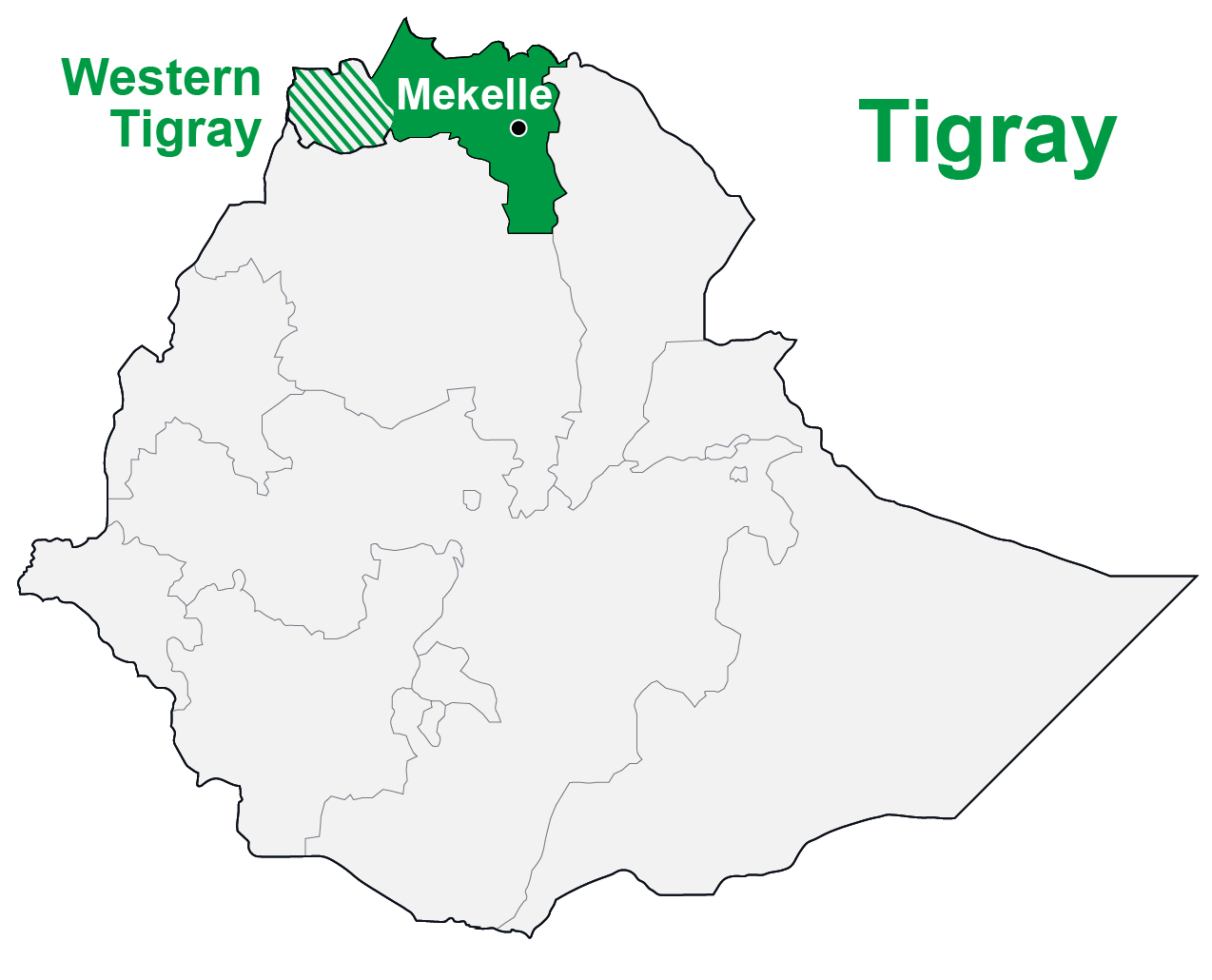 Tigray Region
The political-security equation in Tigray is unique given the dominant role the TPLF held in national politics for nearly three decades. When the ruling Ethiopian People’s Revolutionary Defense Forces (EPRDF) dissolved in 2019, the TPLF retained considerable political influence, experienced military commanders, and military assets. The unwillingness of the TPLF leadership to accede to federal authority set the stage for the 2020-2022 conflict.
Even following the TPLF’s 2022 defeat and the signing of the Cessation of Hostilities Agreement (COHA, also referred to as the Pretoria Agreement), hardliners in the TPLF, led by Debretsion Gebremichael, have attempted to undermine federal authority in Tigray. Debretsion was the former Minister of Communications and Information Technology and the Deputy Prime Minister in Ethiopia during EPRDF rule.
Established under the COHA, the Tigray Interim Administration (TIA) was intended to facilitate the reintegration of Tigray into Ethiopia’s federal structure. The TIA’s authority, however, has been consistently challenged by the Debretsion-led faction of the TPLF, including the failure to give up heavy weapons as stipulated under COHA. This resistance grew more brazen over time, ultimately resulting in the TPLF unilaterally asserting the reinstatement of the pre-2022 regional council in April 2026.
The majority of Tigray’s citizens did not support the TPLF reigniting the conflict with the federal government.
This power grab was rejected by many Tigrayans. A statement by the Salsay Weyane Tigray party in May 2026 captured these concerns: “For over three decades, this organization [the TPLF] has monopolized the politics of Tigray. It has now devolved into a tool for competing factions to seize power by force, making the gun the primary rule of the political game.” This view was a recurring theme of a coalition of Tigrayan opposition parties that formed the Covenant for Radical Change in 2023, calling for political reforms in the region.
TPLF hardliners were emboldened by an undeclared alliance with Eritrea that is believed to include access to weapons and deployment of Eritrean military forces in Tigray. This deepening belligerence culminated in a declaration of war and seizure of federal government assets in Tigray on September 23, 2026. Subsequent fighting with federal forces resulted in at least 277 battle-related fatalities.
What becomes of the TPLF hardliners will be a central issue for the region moving forward. Given that the party has twice launched violent attacks on the federal government—at great cost in lives, economic loss, and regional stability—it has limited credibility as a democratic political actor.
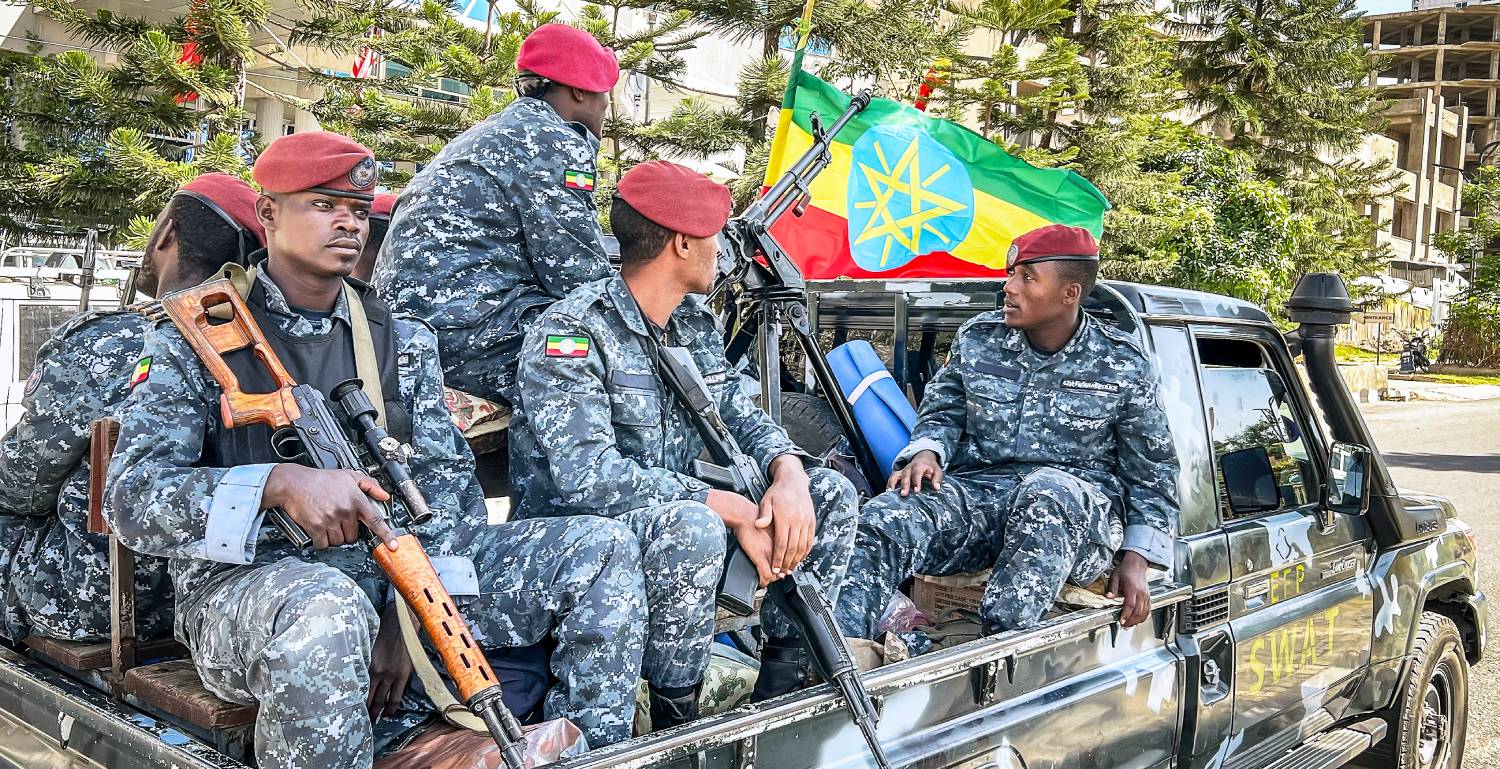
Members of the Ethiopian Federal Police on patrol after federal forces pushed back the TPLF in Mekelle, October 2026. (Photo: AFP)
Rebuilding Tigray as part of Ethiopia’s federal structure involves far more than the TPLF, however. Still recovering from the previous conflict, the majority of Tigray’s 7.5 million citizens did not support the TPLF hardliners reigniting the conflict with the federal government. This limited support, underscored by the widespread evasion of the TPLF’s forced conscription, is a key factor in the rapid collapse of the TPLF offensive in September and October 2026.
The TPLF’s short-lived territorial gains were also due to the creation of the Tigray Peace Force (TPF) in 2025. The TPF was formed by disaffected TPLF fighters who saw no future for themselves under the TPLF leadership and believed they should be defending Tigray rather than “preserving the same old elite.” The TPF contends that the Tigrayan military should be apolitical rather than aligned with one party. When fighting broke out in 2026, the TPF fought with the Ethiopian National Defense Force (ENDF) to repulse the TPLF offensive.
Western Tigray
A flashpoint in tensions between the Tigray and Amhara Regions is the status of Western Tigray (also known as Wolkayit). The jurisdiction was the focus of some of the most vicious violence during the 2020-2022 conflict, after which many Tigrayan residents were forced to flee the area and the land subsequently settled by Amhara communities. The region is the focus of competing territorial claims linked to iterative episodes of forced displacement and resettlement from previous eras.
The COHA does not explicitly address the status of the area, and the federal government has called for a referendum by the territory’s residents to resolve the matter. Tigrayans contend this solution would not account for the estimated 800,000 Tigrayans who have been displaced since 2020. The ongoing uncertainty and polarization around this issue have been a justification for militias in both Tigray and Amhara to retain their arms.
After reclaiming the regional capital of Mekelle and other parts of Tigray, the federal authorities appointed a new TIA leadership, comprised of ethnic Tigrayans, in October. Their mandate is to oversee elections by April 2027, restore basic public services and infrastructure, and facilitate the return of displaced communities.
Given the security challenges in the region, Tigrayans were unable to go to the polls during Ethiopia’s general elections in June 2026. A participatory electoral process has the potential to redirect Tigrayan interests into institutionalized political channels—and undercut the rationale for violence.
Some of the emerging political parties in Tigray include:
- Salsay Weyane Tigray
- Arena Tigray for Democracy and Sovereignty
- Tigray Democratic Solidarity
- National Congress of Great Tigray
The varied political affiliations within Tigray underscore that the instability in the region has been largely driven by political rivalries. As in other political jurisdictions defined along ethnic boundaries, such structures provide a ready means to politicize ethnicity.
Central issues will be how best to rebuild Tigray, provide basic services, facilitate the return of displaced populations, generate investment, and clarify the authorities of the regional administration. Given Tigray’s location on the border with Sudan and Eritrea, security arrangements will be particularly critical. One of the sensitivities of the implementation of the COHA was that Eritrean forces never fully withdrew from some of Tigray’s border districts.
The extent to which this transition is perceived by Tigrayans as representative of their interests will have far-reaching implications for the stabilization of this turbulent region. Political stability, in turn, will contribute to economic reconstruction and foster stronger integration between Tigray and the much larger Ethiopian economy.
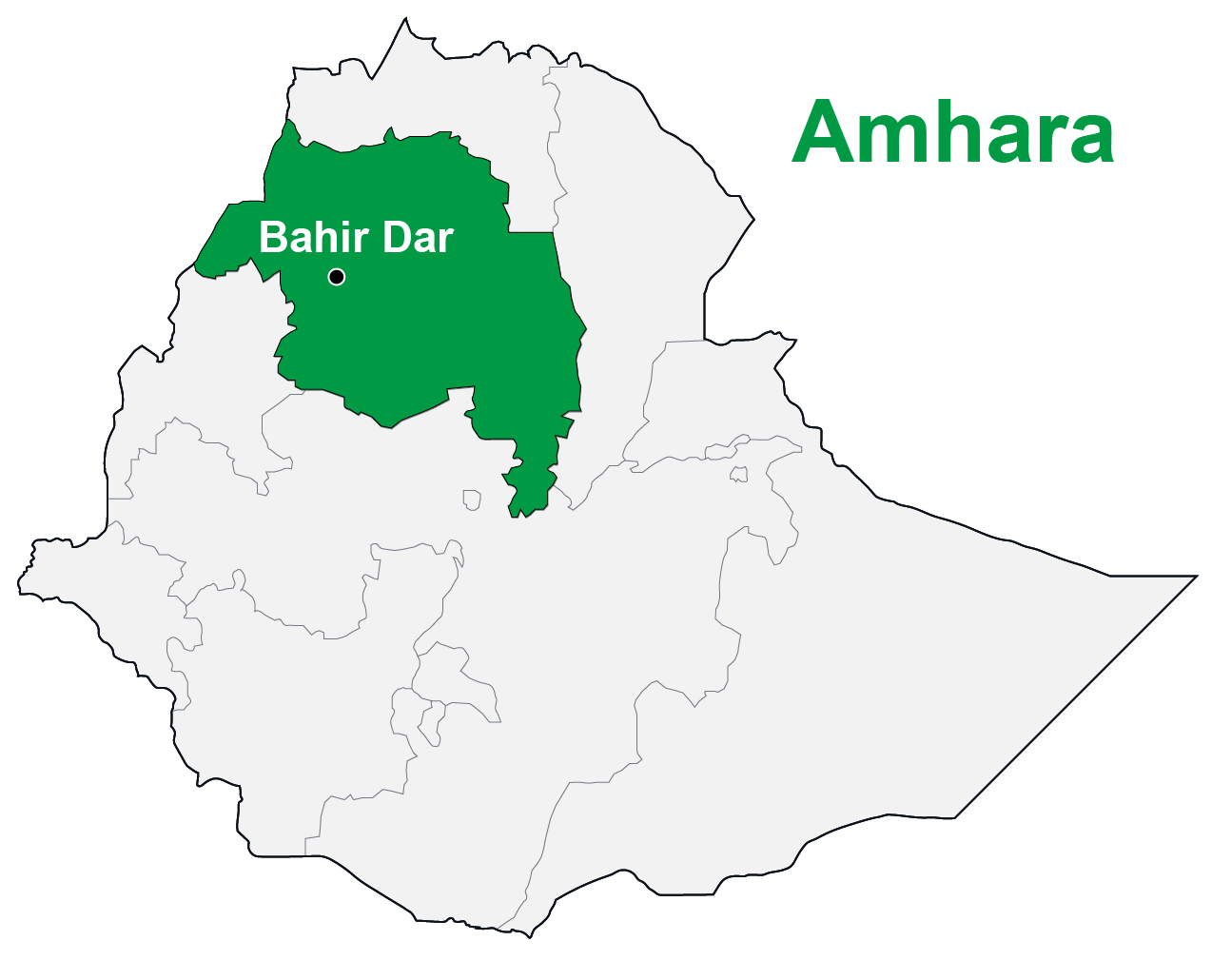 Amhara Region
With an estimated 33 million people, the Amhara Region is Ethiopia’s second most populous and historically the most influential. Massive youth protests in the region facilitated the dissolution of the EPRDF in 2019. Animosities built up over the 30 years of TPLF control fueled Amhara’s regional militias to fight alongside the ENDF during the 2020-2022 conflict.
Some of these trained and experienced Amhara militias subsequently resisted the federal government’s decision to dismantle all regional forces starting in April 2023. The leader of the Amhara Prosperity Party, Girma Yeshitila, was assassinated soon after the announcement. This sequence of events triggered a spike in violence between the decentralized Fano (“freedom fighter” in Amharic) militias and the regional and federal forces that has persisted across the Amhara Region ever since. Whereas the Amhara Region had been among the most stable in Ethiopia before the 2020-2022 conflict, it subsequently has faced some of the highest levels of violence, including approximately 3,500 battle-related fatalities annually since 2024.
Fano’s lack of a cohesive political structure has impeded a clear articulation of the militias’ agenda or negotiation positions.
Composed of former youth protesters, vigilantes, and special police forces, the Fano militias claim a mandate to protect the interests of ethnic Amharas. Some make more zealous demands of Amhara ethnic nationalism and territorial claims in neighboring regions, including Tigray. Still others advocate for a greater Ethiopian identity. Collectively, the Fano militias are estimated to have 15,000-20,000 fighters.
Fano’s lack of a cohesive political structure has impeded a clear articulation of the militias’ agenda or negotiation positions. The merger of five Fano militias under the Amhara Fano National Movement (AFNM) in January 2026 was viewed as a step toward a more formalized Fano structure. The AFNM’s subsequent decision to sign onto the “Alliance for Survival,” however, may undercut the group’s ability to speak for the wider spectrum of Fano militias, most of which do not fall under the AFNM.
The degree of popular support for the Fano militias is unclear. Some Fano militias have attempted to undermine the electoral process by intimidating citizens who sought to participate in the electoral process. As a result, voting did not take place in 8 of Amhara Region’s 130 electoral districts.
The ruling Prosperity Party claimed 117 seats in the House of People’s Representatives 2026 election. In 2021, the Prosperity Party garnered 114 seats. The National Movement of Amhara (NaMA) secured six seats, and the Amhara Democratic Force Movement (ADFM) took three. The remaining seats were distributed among other parties, including the Ethiopians Citizens for Social Justice (EZEMA) party. Ethno-nationalist parties like the Argoba Unity Jeberti party are also active, though did not gain any seats.
Roughly 90 percent of the fatalities linked to ethnic militias are tied to the Amhara Fano National Movement and the Oromo Liberation Army.
NaMA alleges it has faced intimidation from federal authorities and several of the Party’s elected members of parliament have been detained. In 2023, the Party’s most vocal critic of the government, Christian Tadele, was charged with terrorism and possession of firearms. Despite Tadele’s immunity, he was held in prison for over 3 years before being released in 2026 following a pardon.
Between 80 and 90 percent of the population in Amhara rely on agriculture for their livelihoods. Incentivizing and scaling up investments to improve productivity and diversify the economy will depend on greater security in the region.
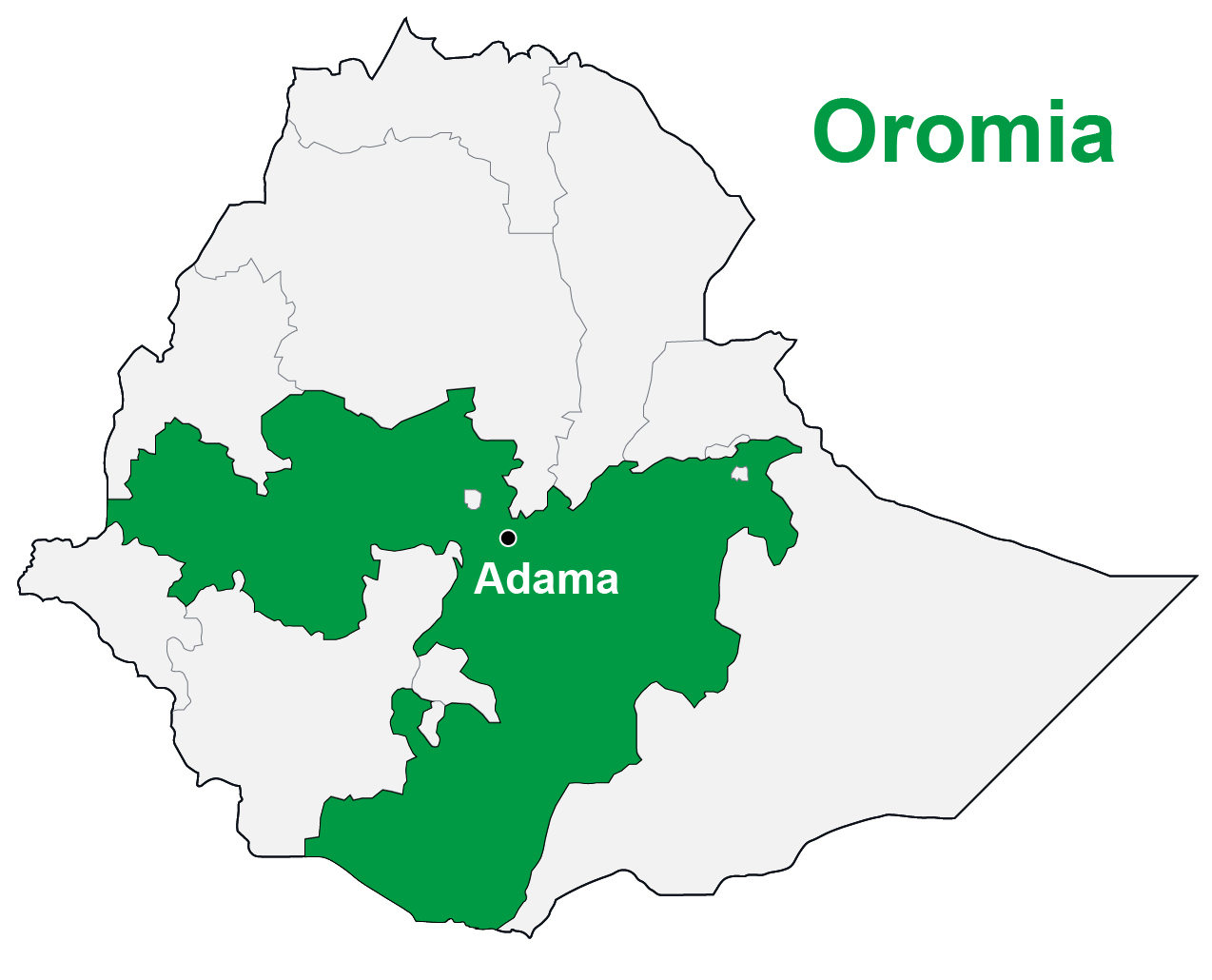 Oromia Region
Oromia is Ethiopia’s most populous region with an estimated 43 million people. It is also one of the poorest and has not historically had significant representation at the federal level despite its relative proximity to the national capital Addis Ababa. Comprising roughly equal numbers of Muslims and Christians, Oromia has also been a focal point of periodic religious tensions.
The Oromo Liberation Army (OLA) was established in the 1970s as the armed wing of the Oromo Liberation Front (OLF) to advance Oromo self-determination. OLF leaders were forced into exile following a falling out with the TPLF-led transitional government in 1992, and the group was subsequently banned in 2008. Upon coming to power in 2018, Abiy signed a peace agreement with the OLF enabling its leadership to return. A faction of the OLA, however, refused to disarm, leading to a split from the OLF.
While never commanding a large following, the OLA has been resilient.
While never commanding a large following (the OLA is currently estimated to have 3,000 fighters), the OLA has been resilient. Following the federal government’s 2023 decision to ban all armed militias, some splinter elements of the OLA did reach agreement with the regional authorities and gave up their arms. However, violence between the main OLA faction and the federal government has escalated. This has resulted in an average of roughly 1,200 annual battle-related fatalities since 2024, destabilizing parts of western Oromia where the OLA is most active. Even though it signed onto the Alliance for Survival, the OLA has yet to coordinate military operations with its alliance partners.
The Oromo Prosperity Party dominates Oromia’s representation in the House of People’s Representatives, controlling 167 of the 178 available seats in the 2026 general elections. The remaining nine seats were won by unaffiliated opposition candidates. The two most prominent opposition parties in the region, the OLF and the Oromo Federalist Congress (OFC) party, did not gain any representation. As in 2021, the OFC did not contest the elections, lacking confidence in the fairness of the process. The OLF did campaign in the 2026 elections (after boycotting in 2021) yet failed to win a seat.
The limited opposition representation has been used as a justification for the OLA’s continued attacks.
The OLF has faced detention, harassment, and other restrictions that have impeded its ability to campaign. In April 2024, Bate Urgessa, an OLF spokesperson, was killed by an unknown attacker in Oromia 2 months after being detained for “conspiring to incite unrest” after speaking to a foreign journalist.
The limited opposition representation has been used as a justification for the OLA’s continued attacks. This includes blocking key roads and raids on foreign mining operations, demanding that extractive companies ensure local community beneficiation. An attack on the $340 million Tulu Kapi gold mine operated by UK-based KEFI Gold and Copper resulted in several fatalities and the suspension of mining operations.
The OLF has called for negotiated settlements to end the clashes. They have called for proposals to establish a transitional national unity government in the Region to ensure representation and constructive engagement among opposition political parties and armed groups that have gone unrecognized by the ruling party.
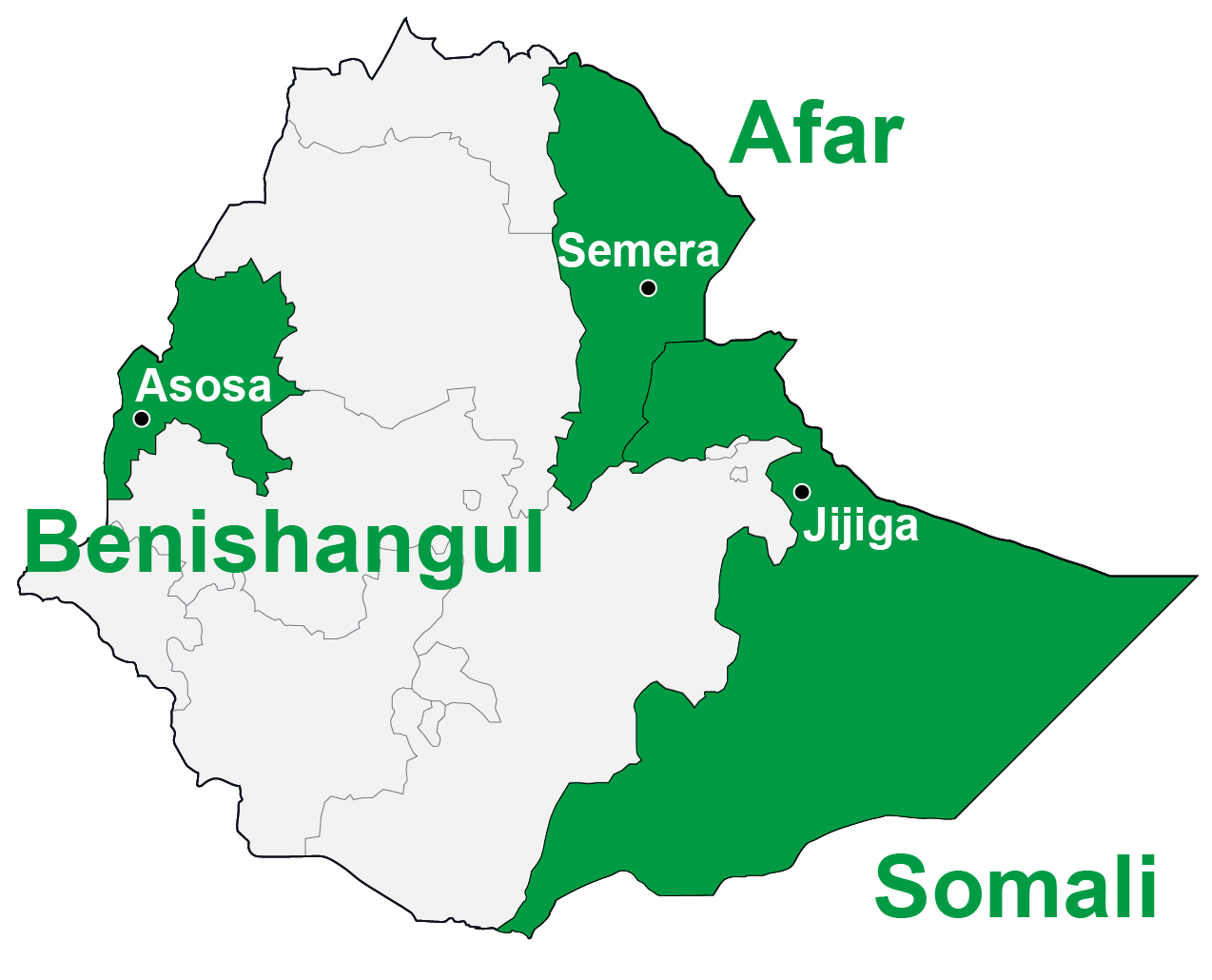 Ogaden, Benishangul, and Afar Regions
Elements of the Ogaden National Liberation Front (ONLF) have fought for greater autonomy of the Somali Region of Ethiopia since the 1977-1978 Ogaden War between Ethiopia and Somalia. Following the signing of a peace agreement with the federal government in 2018 as part of Abiy’s reconciliation process, the majority of the ONLF disavowed armed struggle and has sought to represent the Somali Region’s 13 million residents through political channels.
Since signing the peace accords, the main Jijiga-faction of the ONLF has had its terrorist designation removed, re-registered as a political organization, disarmed and reintegrated most of its forces, and secured representation of 20 seats in the Regional Council during the last election cycle. The ONLF, accordingly, has been among the most successful parties to return from exile and engage in the political process.
However, an old guard of the ONLF led by Abdirahman Mahadi has continued to mount guerrilla attacks against the federal government and is the faction that signed onto the Alliance for Survival. Comprised of an estimated several thousand fighters, the ONLF is linked to 111 reported fatalities in 2024, but less than 20 deaths since that time.
The ONLF has been among the most successful parties to return from exile and engage in the political process.
Comprising an estimated 1 million inhabitants, the Benishangul Region in northwest Ethiopia on the borders of Sudan and South Sudan is among the smallest in Ethiopia. The region is noteworthy for hosting the Grand Ethiopian Renaissance Dam (GERD). The Region has had armed groups intermittently fighting the federal government since the 1990s, claiming to represent indigenous ethnic groups. Despite various signed political settlements in 2005, 2012, and 2022, the Benishangul Peoples’ Liberation Movement (BPLM) and Gumuz Peoples’ Democratic Movement (GPDM) persist in their armed struggle largely from bases in Sudan’s Blue Nile State, where they are reported to be supported by the Sudanese Armed Forces. Battle-related fatalities linked to these groups have increased in recent years from 10 in 2024 to 80 in 2026. The BPLM is one of the signatories to the Alliance for Survival.
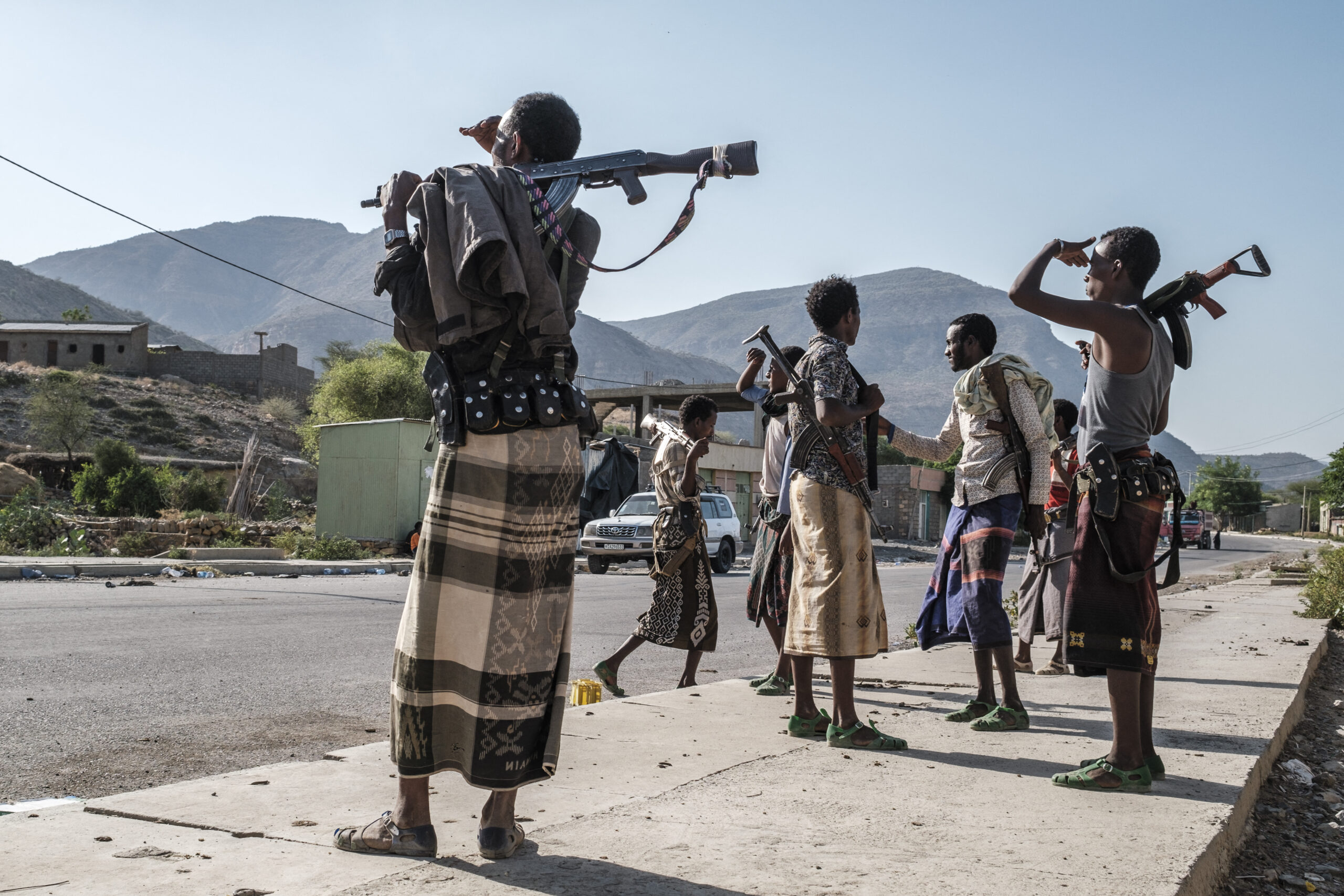
Members of an Afar militia stand at a checkpoint in the town off Abala. (Photo: AFP/Eduardo Soteras)
The Afar Revolutionary Democratic Unity Front (ARDUF), also known as Ugugumo, has engaged in armed struggle against the federal government since 1993 with the stated aim of self-determination for the 2.5 million ethnic Afar in Ethiopia. Under the leadership of Ibrahim Osman Aliyu, a former mayor of Berhale, the ARDUF has collaborated closely with the TPLF and Eritrea, from which Aliyu has been operating since 2025. This proximity enabled the TPLF to establish a front in Afar during its offensive in September 2026, even though the ARDUF is reported to field only 300 fighters. This territory has subsequently been retaken by the federal government. Like the Fano militias in Amhara, the ARDUF was previously aligned with the federal government during the 2020–2022 conflict against the TPLF. They were not parties to the COHA, however. This perceived exclusion and ongoing marginalization were justifications for joining the TPLF coalition in 2026.
State Building as Stabilization
The current moment provides an opening to reexamine the lingering challenge of regional militias lest these fester and become sources of worsening destabilization.
Ethiopia’s ethnic federal model represents a source of structural instability by incentivizing ethno-nationalist militias to amplify ethnically based grievances as a means of mobilizing local recruitment and rationalizing violence. In most regions where these ethnic militias operate, they command relatively small forces and limited popular support. These ethnic militias, moreover, are by and large not pursuing democratic solutions to their grievances, as evidenced by their threats to or attacks on electoral processes. Rather, these militias are often splinters from a larger political party that has disavowed violence and is willing to pursue political channels to advance the interests of their regions.
While small in size, many of these ethno-nationalist militias have persisted for decades, underscoring their resilience. Moreover, several are in regions that border Ethiopia’s neighbors and are easily instrumentalized by foreign actors. This has had tangible consequences, with roughly 4,900 annual battle-related fatalities linked to these groups in recent years. This insecurity, in turn, is a significant handicap for investment, infrastructural development, and job creation—which would enhance the quality of livelihoods in marginalized parts of these regions.
The repelling of the TPLF’s 2026 offensive—supported to varying degrees by its Alliance for Survival partners—provides an opening to reexamine the lingering challenge of regional militias lest these fester and become sources of worsening destabilization. The TPLF is the largest, most capable, and most regionally connected of these militias. Their military setbacks and loss of popular support create an opportunity to turn the page on this era of regional militias challenging the federal government. The disarming of nonstate militias, moreover, is a prerequisite for realizing a unitary chain of command and state building.
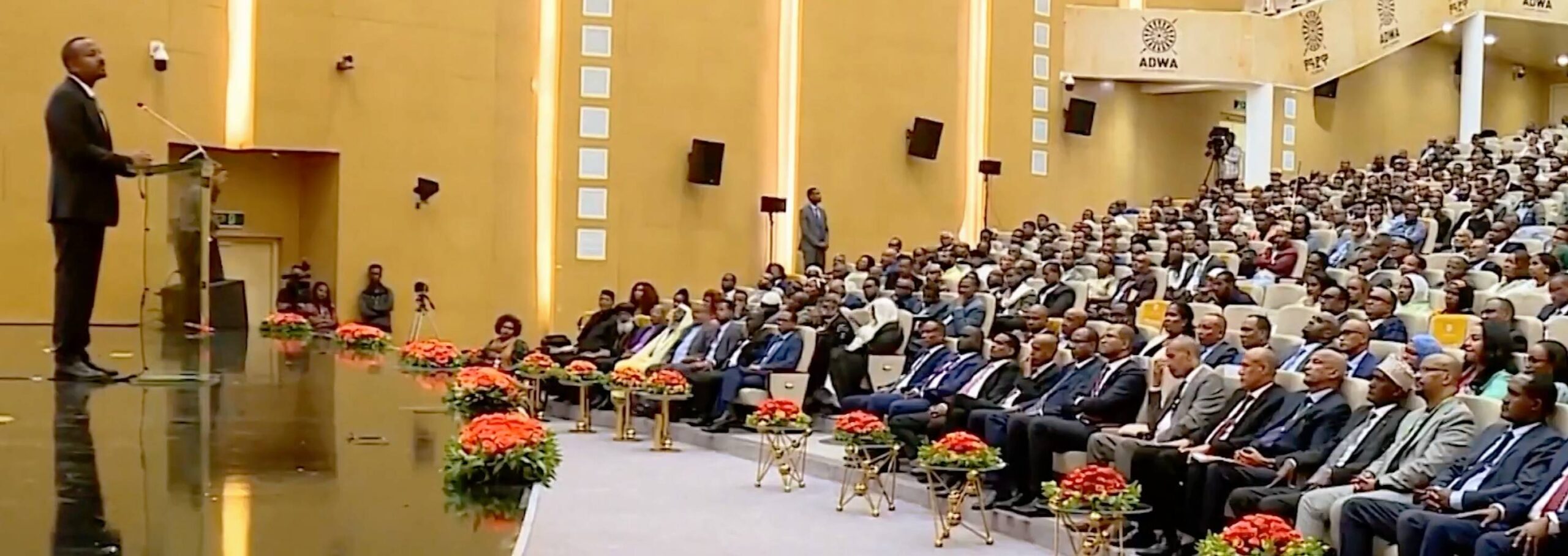
Prime Minister Abiy Ahmed addresses the National Dialogue in June 2024. (Photo: screengrab)
This is a political as much as security process. There are parties across Ethiopia’s diverse spectrum of communities willing to engage in such a political dialogue. The degree to which these parties gain official representation in legislative assemblies is a barometer for citizens as to whether there are genuine avenues for political participation. The 2026 general elections did not yield such representation at either the national or regional level, with the Prosperity Party controlling roughly 90 percent of seats in the House of People’s Representatives and, collectively, the Regional Councils. Similarly, the high-profile National Dialogue held in July 2026 was widely seen as lacking significant independent perspectives.
Aside from elections, building a more stable federal model will require ensuring adequate space for politicians from opposition parties to contribute to the regional and national agenda, independent media to fulfill their role in informing the public, civic education on Ethiopia’s federal system, and strengthening institutional checks and balances to uphold the rule of law.
Building a more stable federal model will require ensuring adequate space for politicians from opposition parties to contribute to the regional and national agenda.
Facilitating such exchanges will provide the opportunity to reorient Ethiopia’s federal system away from the ethnic characteristics that currently define it. As in successful federal systems, this will require clarifying the authorities, responsibilities, and revenues available for each layer of government. Doing so can contribute to making government more responsive and adaptable to the unique priorities, services, and customs of local communities across Ethiopia’s diverse population while simultaneously reinforcing the economic, cultural, security, and national identity benefits of being part of a larger federal system.
Additional Resources
- Tesfatsion Dominiko, “From Military Victory to Political Settlement: Why Ethiopia’s Real Test Lies Beyond Controlling Mekelle,” Addis Standard, October 19, 2026.
- International Crisis Group, “Pulling Ethiopia and Eritrea Back from War,” October 12, 2026.
- Dereje Hawas, “Who Arrives Ready?: Political Organization, Armed Coalitions, and Ethiopia’s Uncertain Future,” Addis Standard, October 5, 2026.
- International Crisis Group, “Arresting the Dangerous Descent Back into War in Northern Ethiopia,” September 25, 2026.
- Ahmed Soliman and Abel Abate Demissie, “Ethiopia Needs More than an Election to Calm Internal and Regional Conflict,” Chatham House, May 28, 2026
- Joseph Siegle and Hani Wahila, “Ethiopia: Expanding Representation While Managing Centrifugal Forces,” Spotlight, Africa Center for Strategic Studies, January 13, 2026.
- Africa Center for Strategic Studies, “Rising Tensions in Tigray Risk Regional Conflict,” Spotlight, March 24, 2025.
More on: Ethiopia