

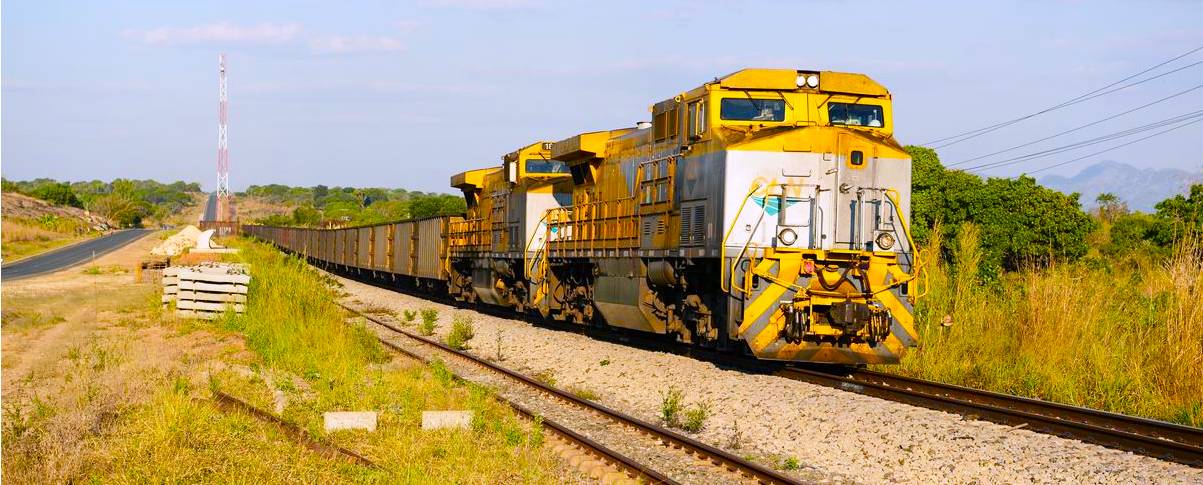
A train transporting minerals on the Nacala–Moatize railway. (Photo: Matthias Hille)

Global demand for critical minerals like lithium, cobalt, nickel, and rare earth metals has risen sharply due to their importance in advanced digital technologies, defense and aerospace manufacturing, renewable energy systems, and high-performance electronics. However, many of these resources are concentrated in fragile states that are highly prone to political instability.
Numerous risks complicate the development of reliable mineral supply chains. Mineral-rich countries are frequently led by unaccountable governments that have created opaque processes for mining contracts and revenue distribution. Weak rule of law and unpredictable contract enforcement create risks for investors, while corruption and limited regulatory oversight enable influential individuals to divert revenues to support patronage networks.
Mineral development models that narrowly focus on the final extraction and transportation stages can exacerbate governance, patronage, and fragility problems.
Non-coincidentally, conflict and political instability often characterize these mining contexts, interrupting production and transport. Illicit mineral flows are also common in fragile states, with smuggling networks moving raw minerals across borders and, in some cases, financing nonstate armed groups, violent extremist groups, and foreign mercenaries. Environmental degradation and labor exploitation compound these problems, undermining the public benefits of mining operations.
Mineral development models that narrowly focus on the final extraction and transportation stages can exacerbate these governance, patronage, and fragility problems by incentivizing extralegal practices and the coercive tactics that often accompany them. Historically, the “extract-and-export” models have generated limited benefits for African economies, leaving them with few royalties and little or no value from processed metals. African countries are estimated to lose between $450-730 million in annual revenue from the extractive sector while also forfeiting substantial additional value by exporting raw minerals instead of processing them locally. Africa loses an additional roughly $89 billion annually to illicit financial flows.
This is unsustainable, fueling political risk, community opposition, and reputational costs for mining firms and foreign partners.
African governments and citizens are seeking a more balanced mineral supply model—one that enables African publics to capture greater value from the supply chain that can be translated into meaningful developmental gains. Since 2023, at least 14 African countries have restricted exports of raw or semi-processed minerals. Zimbabwe, Africa’s top lithium producer, banned exports of all raw minerals in 2026. This led Zhejiang Huayou Cobalt (lithium extraction in Zimbabwe is dominated by Chinese state-owned enterprises) to install a $400-million lithium sulfate refining plant in Zimbabwe, a first in Africa. Two other firms, Sinomine and Sichuan Yahua Industrial Group, announced similar projects with plans to eventually transition to final-stage lithium carbonate refining. A metric ton of lithium concentrate captures just $3,000 compared to $25,000 per ton for high-purity lithium sulphate. Lithium sulphate alloy can be further refined into battery-grade components, like lithium hydroxide and lithium carbonate, which fetches over $30,000 per ton.
Farai Maguwu, Executive Director of Zimbabwe’s Center for Natural Resource Governance, summarizes the objective: “A country like Zimbabwe is exporting raw lithium, and in the process enriching China at its own expense. Instead, it should be building its own mine-to-market ecosystem that manufactures and markets lithium products.”
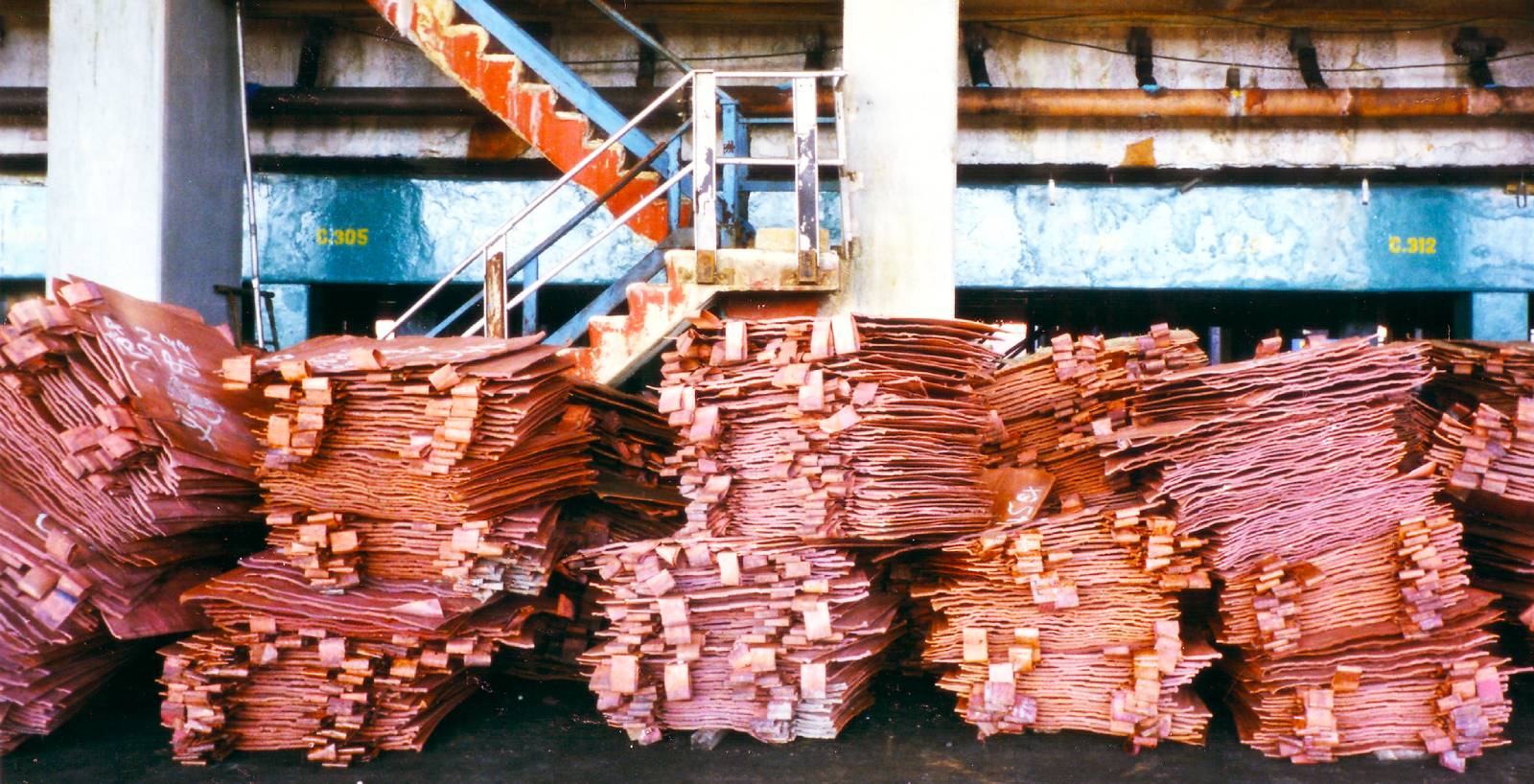
Stacks of copper cathode ready for shipment in Zambia. (Photo: Merlin)
Along these lines, a wholly African-owned mining firm, Kemcore, will open its own processing plants in Angola and Botswana to supply the Democratic Republic of Congo (DRC) and Zambia with crucial chemical inputs to process copper and cobalt. In addition to enhancing African ownership, the initiative is aimed at reducing the exposure of African miners to global supply shocks.
This insistence on strategic value capture is intensifying as African publics exert growing pressure on their governments to negotiate better deals, enhance transparency, enforce export bans, and stop trading away their immense wealth.
The Nacala Corridor
The Nacala Corridor—a joint project of Malawi, Mozambique, and Zambia—represents one effort by African countries to capture more value from their resources. Supported by Japanese and African investments, Nacala simultaneously represents a push by China’s competitors to diversify their critical mineral supply chains. China controls over half of global critical minerals production. Beijing also produces nearly 70 percent of rare earth minerals and manufactures over 90 percent of high-strength rare earth permanent magnets.
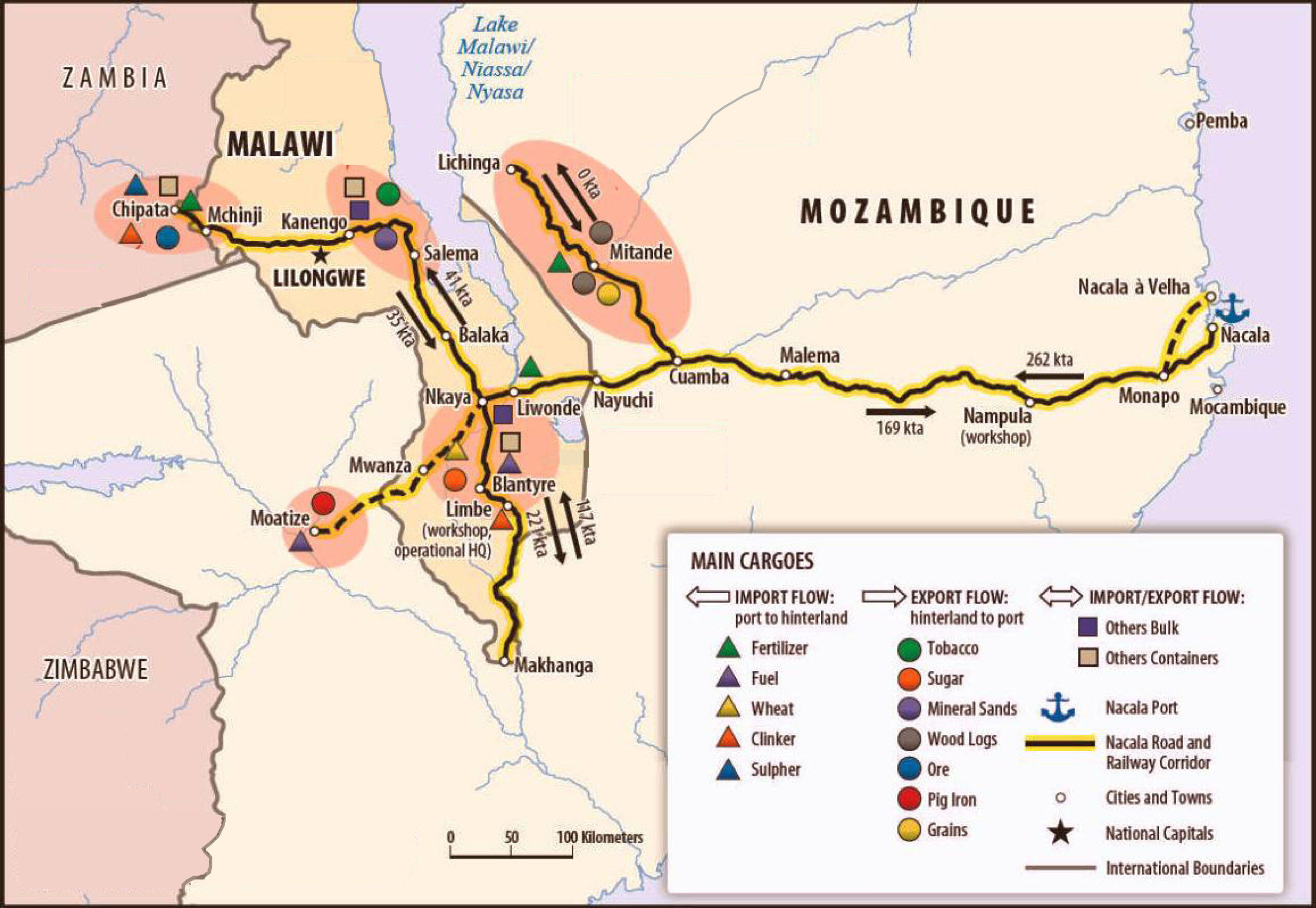
Source: World Bank Group
China’s dominance in the critical minerals sector comes less from mining and more from midstream refining and downstream processing—where raw ores are chemically separated into usable metals and oxides. China is responsible for nearly 90 percent of processing and refining. Critical mineral strategies focused solely on extraction therefore will be unable to overcome the scale of China’s advantage, which spans the entire critical mineral supply chain.
Japan’s strategy in the Nacala Corridor is noteworthy. Instead of attempting to out-mine, out-process, and out-spend China, Tokyo is pursuing an approach that plays to Japanese strengths: innovation, sharing of advanced technology, and the ability to strike bottom-up partnerships (ringi-sho; 稟議 書). Hence, the Nacala Corridor features a different method of competition that marries Japanese and African goals and practical requirements in ways that produce more equitable outcomes. The backbone of this corridor is a cross-border logistics network connecting landlocked Zambia and Malawi to Mozambique’s deepwater Indian Ocean port in Nacala. Eventually, it will develop into a complete, end-to-end critical mineral supply chain.
Key Nodes and Opportunities of the Nacala Corridor
| Country | Ports | Rail | Roads | Special Zone | Key Production Areas | Strategic opportunities for more value capture |
|---|---|---|---|---|---|---|
| Mozambique | Port of Nacala. | Moatize–Nacala. | Muita–Mandimba–Lichinga Road connects Nacala to Malawi border. | Nacala Special Economic Zone. | Coal (Moatize); Graphite (Balama); Mineral sands (Moma). | Build midstream graphite processing and battery materials production near the Nacala Port and Corridor infrastructure. |
| Nacala-a-Velha Terminal. | Nampula–Nacala. | Cuamba-Mandimba-Lichinga Road connects northern Mozambique with inland zones. | ||||
| Various feeder roads connect farms and mines to main roads. | ||||||
| Malawi | Malawi–Mozambique rail link via Nsanje, Entre-Lagos, and Chiponde–Mandimba border crossings (connects Lilongwe and Blantyre to the Nacala Corridor system). | Various feeder roads connect major agricultural zones in southern and central Malawi to rail links terminating at Nacala. Upgrade of border and trade facilities Entre-Lagos (Mozambique-Malawi crossing). | Tobacco, tea, sugar, and cotton production zones feed into the Corridor. | |||
| Zambia | Chipata (Zambia)–Mchinji (Malawi) rail line connects with the Nacala Corridor rail system toward the Port of Nacala. | Chipata – Lusaka Road Axis provides a key freight corridor connecting Nacala‑bound cargo to Lusaka and beyond. | Copper and cobalt. | Expand the DRC–Zambia electric vehicle (EV) transboundary battery initiative to attract EV makers to assemble battery precursors in their shared mining zone. | ||
| Chipata‑Serenje Connection (Future Rail Expansion) would connect Zambia’s Copperbelt and central regions directly with the Chipata rail link into the Nacala Corridor. | Nacala corridor is part of the SADC Regional Trunk Road Network (Route 20) which runs through Zambia connecting Chipata to Lusaka via Sinda, Petauke, Nyimba, Kachole, and Rufunsa. |
Malawi, Mozambique, and Zambia worked with Japanese and African public and private sector actors, the African Development Bank (AfDB), Japan Bank for International Cooperation (JBIC), and the Japan International Cooperation Agency (JICA) to implement the project. The approach emphasized co-ownership and co-creation—known in Japanese development cooperation as kyoso (共創)—rather than a purely external investment model.
While originally developed for coal exports from Mozambique’s Tete Province, the Corridor now serves broader regional trade through seamless one-stop border posts across all three countries and has the potential to support other critical minerals. This amplifies the project’s economic and employment multipliers.
Key stages of the critical mineral supply chain:
- Exploration and extraction
- Separation, processing, refining, and recycling
- Manufacturing and components
- Logistics and transportation
- Stockpiling (of finished products)
- Pricing
The Nacala Corridor originated in the early 2000s as a project among the three countries under the Southern African Development Community (SADC) Regional Infrastructure Development Master Plan and supported by AfDB financing. Japan complemented this effort with $5.5 billion in financing through its Enhanced Private Sector Assistance for Africa program, serving as a burden- and risk-sharing mechanism.
An additional $1.5 billion was provided by the Japan International Development Agency (JICA) to support complementary African and Japanese private sector projects along the Corridor in agriculture, transportation, railcar rolling stock, and mining. Tokyo sequenced its engagement to align with SADC initiatives, further creating an enabling environment. Mozambique’s allocation of a terminal and prime land at its deep-water port to Malawi to facilitate its access to the sea is clear evidence of the political trust that has developed between the two countries.
An attractive feature of the Nacala Corridor is the central logistical hubs, especially the one-stop border posts, where cargo is monitored, traced, and verified, facilitating the tracking of mineral flows. This enables seamless customs documentation and regulatory oversight while improving the reliability of data on cross-border export volumes. The Corridor has also reduced the travel time for agricultural exports from Zambia and Malawi, thereby expanding livelihoods and demonstrating how a mineral corridor can support nonmineral economic sectors.
The upgraded rail infrastructure reduces overreliance on informal trucking networks that often dominate mineral transport. These informal systems can enable smuggling, tax evasion, and illicit trade. By contrast, rail-based transport provides a more predictable and transparent pathway for moving minerals to international markets—enhancing the return on investment for Japan and the AfDB. Perhaps most importantly, the Nacala Corridor creates opportunities for more value capture, like Mozambique’s graphite, Zambia’s cobalt and lithium, and Malawi’s rare earths.
The TICAD Development Approach
7 pillars of a stable mineral supply chain:
- Open and fair bidding
- Publicly accessible agreements
- Robust oversight and quality control (at each point in the supply chain)
- Traceability
- Public participation and engagement
- Environmental sustainability and public health safeguards
- Manageable financing
Japan’s engagement in the Nacala Corridor reflects the philosophy of the Tokyo International Conference on African Development (TICAD) process, which links economic development and investment with governance reforms and economic capacity building. Financing from JICA, JBIC, and AfDB incorporates strict environmental and social safeguards, including impact assessments, resettlement frameworks, and measures to mitigate mining-related pollution.
Long-term maintenance planning built into the project enhances infrastructure durability and predictability for mineral exporters. Japanese private sector firms also help connect African mineral production to Asian manufacturing hubs, supporting Japan’s diversification of strategic resources. The TICAD approach emphasizes African ownership, encouraging policies that strengthen domestic economic development and local agency.
Investor Profitability and African Value Capture from Nacala
The Nacala Corridor model combines innovations that enhance investor profitability and local value capture. Standardized export documentation and centralized logistics improve mineral tracking, transparency, and tax collection. When rules are predictable, the local public are aware of contracts, and dispute resolution mechanisms are in place, business confidence grows. Investors are safer and able to increase the profitability of their investments as a result. Nacala’s integration with regional development initiatives, furthermore, supports cross-border trade, agricultural exports, and industrial growth.
Environmental and social governance measures required for AfDB and JICA funding mitigate ecological harm and community marginalization. This is especially relevant given the environmental risks often associated with mineral extraction projects. Sino-Metals Leach Zambia’s September 2025 toxic spill into Zambia’s Kafue River (a key source of drinking water), triggered an intense dispute between the Zambian government, the Chinese mining conglomerate, and affected communities.
Benefits for Malawi
- Future exports of rutile, graphite, rare earths, niobium, tantalum, uranium, and heavy mineral sands
- Increased agricultural exports
Benefits for Mozambique
- Increased port utilization and revenue
- Development of value-added industries along the Corridor and up-country
- Enhanced transit trade in Malawi, Zambia, and potentially the Democratic Republic of the Congo (DRC)
- Strengthened position as a regional export hub
Benefits for Zambia
- More efficient export option
- Reduced transportation costs for critical minerals
- Linkages with the Zambia-DRC transboundary zone to attract electric vehicle manufacturers close to mines
- Increased agricultural exports
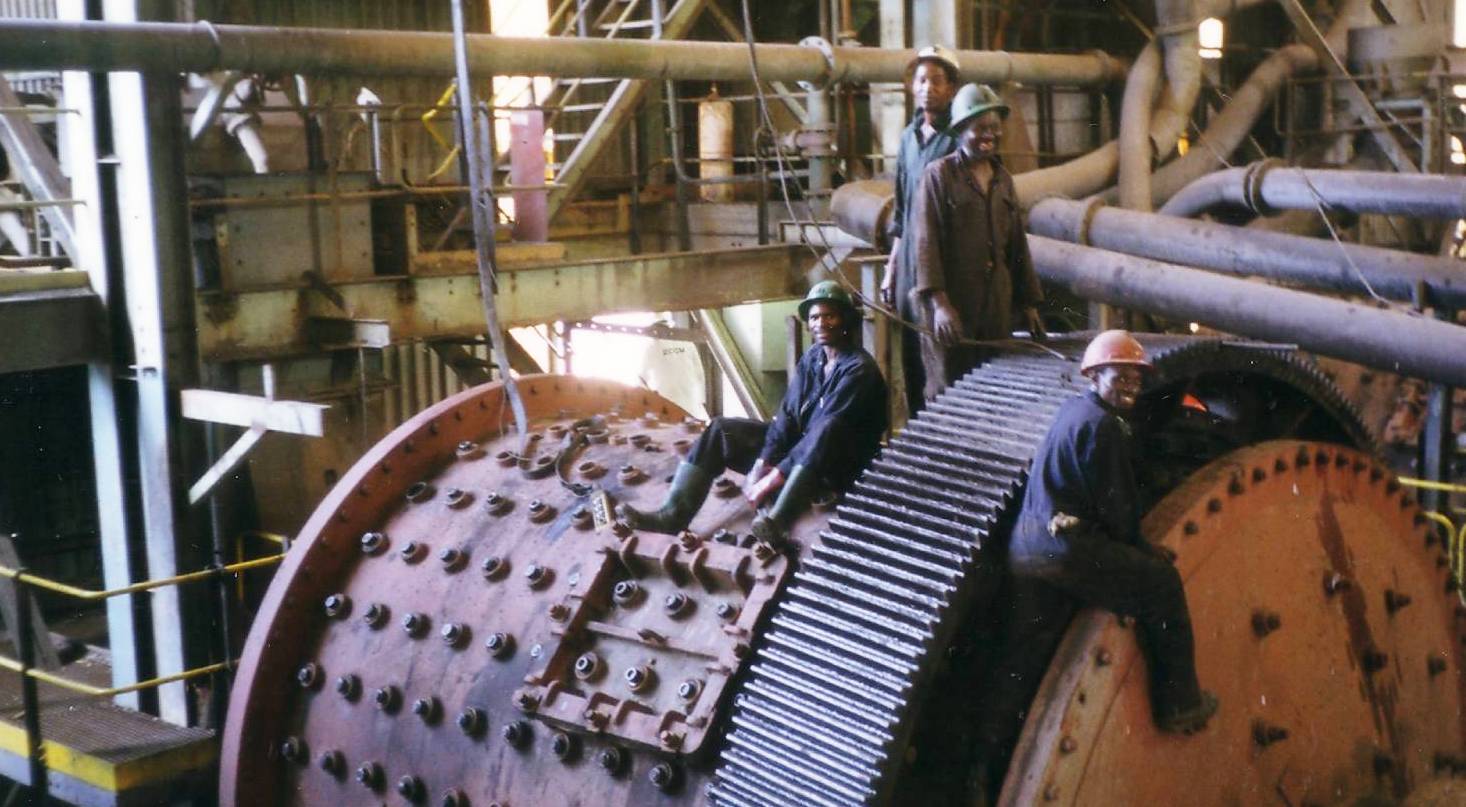
A maintenance crew at an ore processing plant in Zambia. (Photo: mm-j)
China—the world’s largest graphite refiner—has responded to Japan’s investments in the Nacala Corridor by introducing local midstream processing capacity to show commitment to greater value addition. In 2026, for example, a Chinese-owned plant in Niassa Province installed a 200,000 ton-per-year refinery that purifies graphite concentrate and produces industrial-grade graphite products, moving beyond the concentrate stage currently produced in the Corridor.
Such value chain competition has the potential to create a virtuous circle of enhanced investment, capacity building, and economic value addition for African countries. Mozambique, like many other African countries, wants full, end-to-end mineral production and remains eager to find partners that can meet it halfway. This is the vision toward which the Nacala Corridor countries and their Japanese and other international partners are working.
Genuine Partnerships Generate Sustainable Wins
While still a work in progress, the Nacala Corridor model demonstrates that externally financed critical mineral development in Africa can realize mutual benefits for both international investors and African partners. Several lessons stand out.
The Nacala Corridor model combines innovations that enhance investor profitability and local value capture.
First, end-to-end supply chains are built over years and require alignment of long-term planning by local investors and international partners. A corridor like Nacala provides a backbone on which such chains can be developed and expanded.
Second, infrastructure development can strengthen mineral supply chain governance by creating monitoring points where shipments can be verified, regulations enforced, and revenues collected.
Third, development finance institutions can promote responsible practices through environmental, social, and transparency safeguards embedded in financing, as shown by the AfDB and Japanese lenders. Effective governance requires coordination among governments, mining firms, communities, and international partners.
Finally, logistics corridors can support regional industrial development by encouraging mineral processing, manufacturing, and economic production beyond mining—such as agriculture and logistics services—rather than simply facilitating the extraction and export of raw commodities. That makes them more sustainable.
| Contrasting Approaches to Critical Mineral Supply Development | ||
|---|---|---|
| Element | Japan's Nacala Corridor Approach | Conventional Approach |
 | Emphasis on partnerships with multilateral institutions like the AfDB | Greater reliance on bilateral loans and state-backed financing |
 | Greater emphasis on knowledge sharing and capacity building | Limited tech transfer |
 | Focus on local employment and skills transfer | Involvement of significant foreign labor |
 | Better fidelity to environmental impacts and mitigation | Varied standards based on project |
 | More favorable and transparent terms | Potential for debt sustainability concerns |
The Nacala Corridor benefits local and international investors and creates an environment for African countries to capture more value while helping to diversify global supply chains. As the global demand for critical minerals grows, projects that build on this model can play an important role in ensuring that future supply chains are more resilient, reciprocal, and developmental.
Additional Resources
- Paul Nantulya, “China’s Critical Minerals Strategy in Africa,” Spotlight, Africa Center for Strategic Studies, December 9, 2025.
- Paul Nantulya, “Japan Innovates to Deepen Africa Relations,” Spotlight, Africa Center for Strategic Studies, September 3, 2025.
- Djenabou Cisse, “Japan in Africa: A Discreet Yet Influential Partner Amid Growing International Competition,”FRS Note No. 15/2025, Fondation pour la recherche strategique, August 19, 2025.
- Redouan Najah, “Japan to Strengthen Ties with Africa,”Japan Up Close, July 8, 2024.
- International Energy Agency, “Sustainable and Responsible Critical Mineral Supply Chains: Guidance for Policymakers,” December 13, 2023.