Who Belongs Where? Conflict, Displacement, Land and Identity in North Kivu, Democratic Republic of Congo
By Social Science Research Council. March 2010.
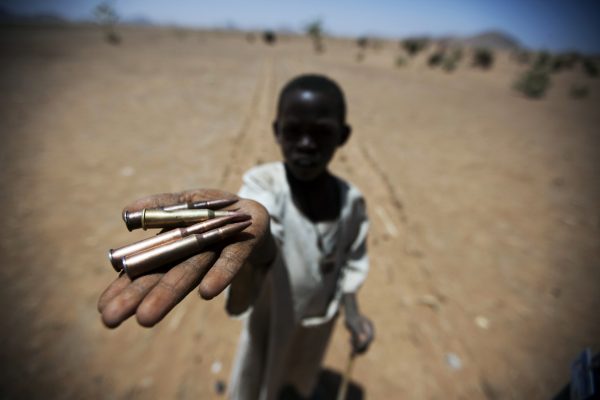
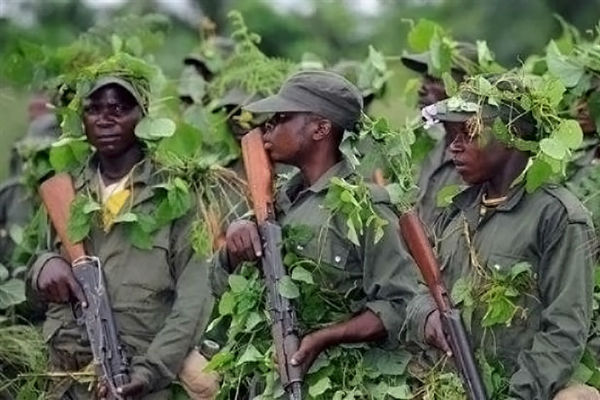
Surveys show that residents in the eastern DRC believe that the region’s lengthy conflict is fundamentally “foreign” or Rwandan. Thus, many Congolese who share ethnic identities with those prevailing in Rwanda are viewed as foreigners with no legitimate claims to political or economic rights regardless of their citizenship. Stronger efforts to promote a 2004 law that clarified and broadened Congolese citizenship at the grass roots are essential to overcome ethnic cleavages and attendant disputes over land, resources, and power.
Download the article: [ENGLISH] [FRANÇAIS]Nigeria's Pernicious Drivers of Ethno-Religious Conflict
By Chris Kwaja. Africa Center for Strategic Studies, July 2011.
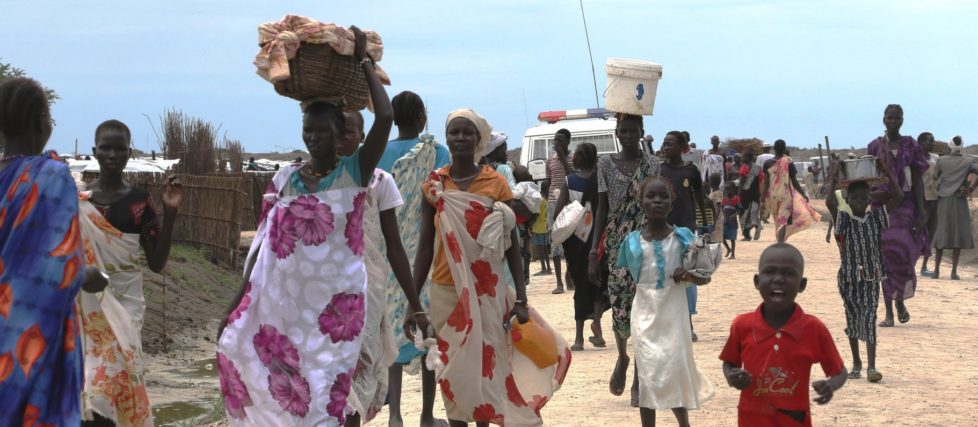
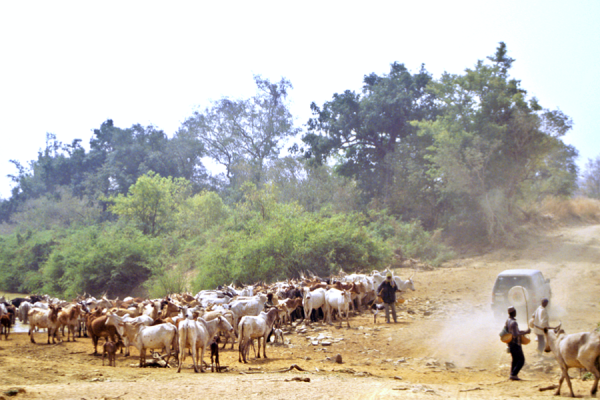
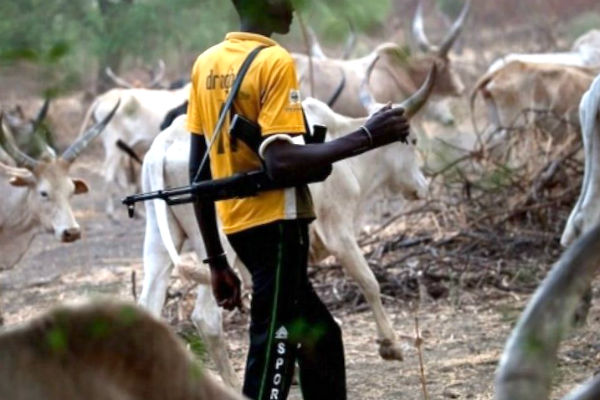
Nigeria's long-running "indigene-settler" conflict in and around Jos, Plateau State has escalated in recent years and may spread to other ethnically mixed regions of the country, heightening instability. Navigating such inter-communal fault lines is a common challenge for many African societies that requires looking past symptoms to address systemic drivers. In Nigeria, this will entail measures that directly mitigate violence as well as realize constitutional reform.
Download the Brief in: [ENGLISH][FRENCH][PORTUGUESE]
Preventing Identity Conflicts Leading to Genocide and Mass Killings
By I. William Zartman. International Peace Institute, November 2010.
Mass killings do not break out unannounced, but rather are preceded by identity-based tensions stoked by political entrepreneurs to rally support for their narrow objectives and designs. The resulting spoils of such incitement can be subverted through sustained and early efforts to manage ethnic relations, protect minority rights, uphold accountable governance, and exercise the responsibility to protect. Download the Article: [PDF]
Islam and Christianity in Sub-Saharan Africa
By, Pew Forum on Religion and Public Life, 2010.Despite high levels of religious diversity and adherence in many African countries, most African Christians and Muslims are unfamiliar with each other’s faith and believe they share few commonalities. In fact, concerns about religious conflict are modest compared with those of poverty, corruption, and other political and socioeconomic issues. Download the Article: [PDF]
Misinterpreting Ethnic Conflicts in Africa
By Fr. Clement Mweyang Aapenguo. Africa Center for Strategic Studies, April 2010.
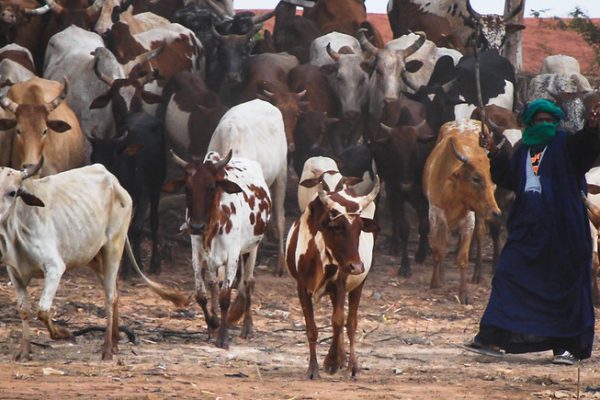
Ethnic conflicts in Africa are often portrayed as having ages-old origins with little prospects for resolution. This article challenges that notion arguing that a re-diagnosis of the underlying drivers to ethnic violence can lead to more effective and sustainable responses. Download the Brief: [ENGLISH][FRANÇAIS][PORTUGUESE]Ethnocentrism and Communal Conflict in Africa
By York Shaw-Taylor, Racism Review, 2009. Civil wars and communal conflict in Africa are often attributed to the strength and prevalence of ethnic identity over national or civic identity and its attendant affect on political and social allegiances. Yet a review of recent survey data in several African countries is unable to validate this popular proposition. View the Article: [HTML]
Other Reads