
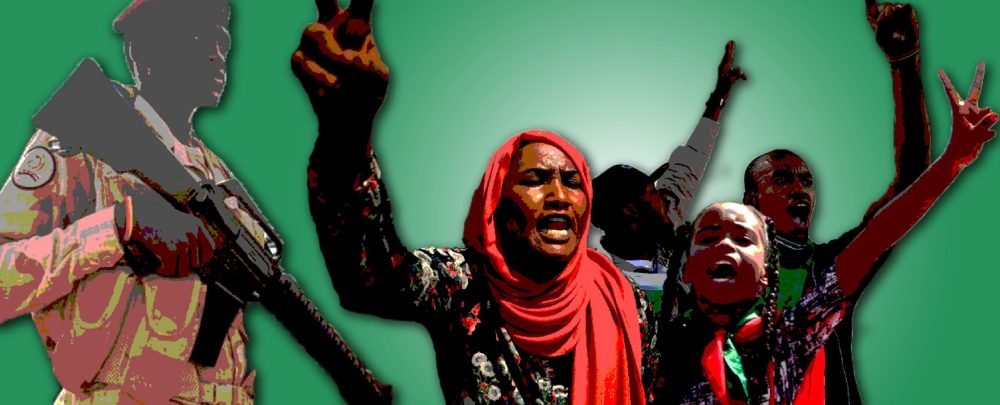
A collection of the Africa Center’s analyses of Sudan’s transition and its imperative for security sector reform.
Interview
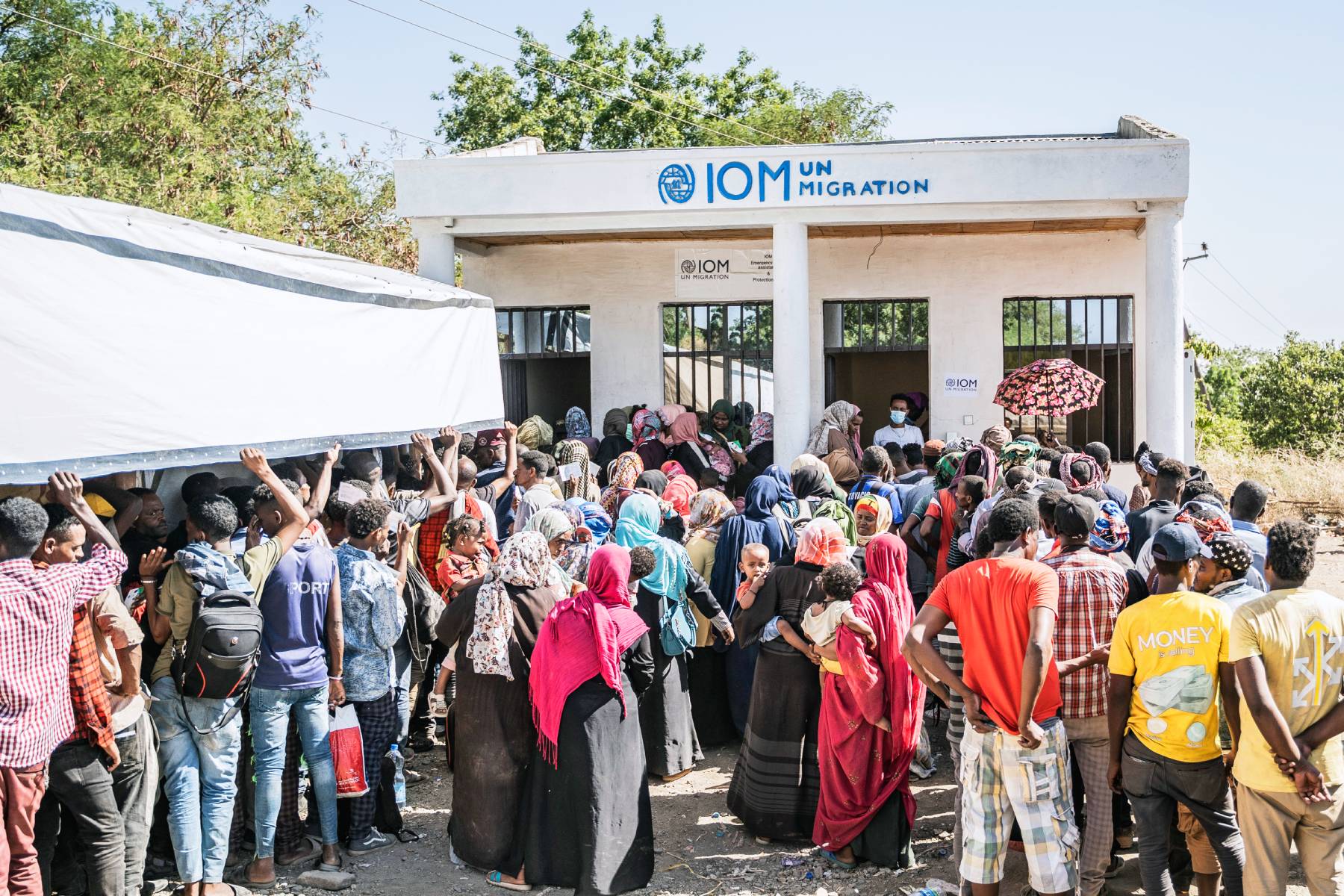
Ending Conflict in Sudan is Crucial for Regional Stability
The longer the conflict in Sudan endures, the greater the likelihood that regional actors will sponsor rival proxy forces, accelerating the fragmentation of the armed actors on the ground and fueling a spillover of the conflict into an already highly fragile regional environment.
Interview
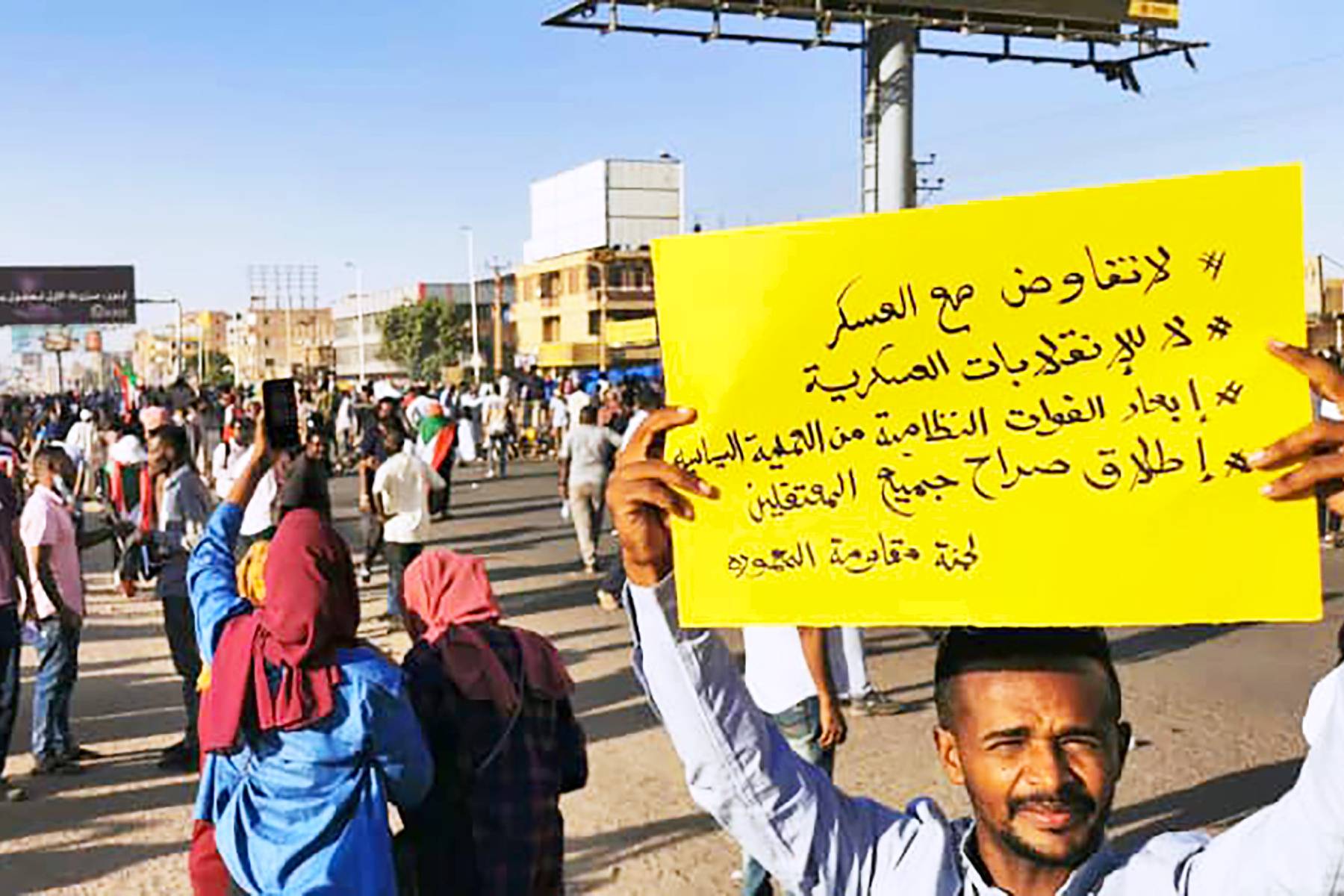
Role of External Actors in Resolving Sudan Conflict
The power struggle between rival generals in Sudan will require international mediation to resolve. Yet, this will necessitate navigating often competing regional interests and differing objectives.
Infographic
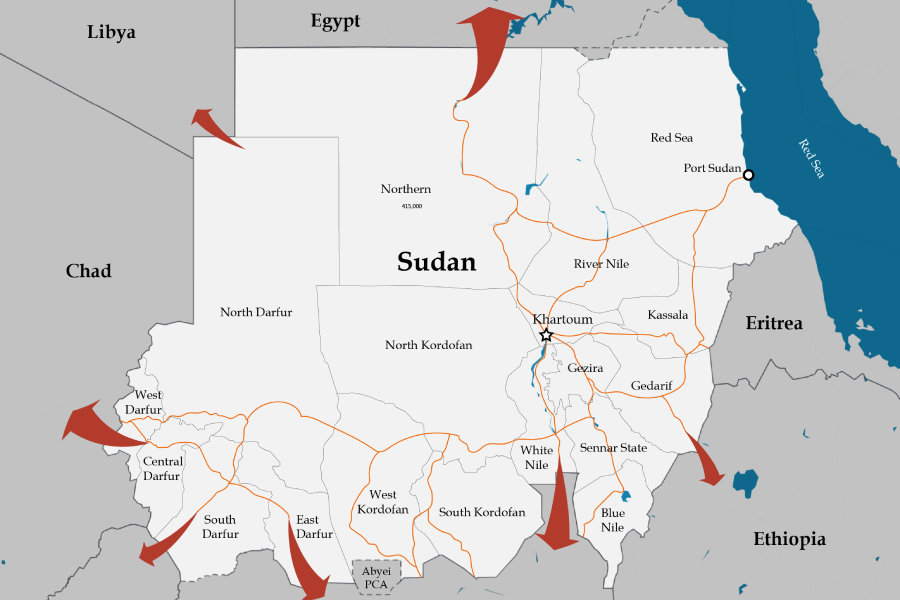
Sudan Conflict Straining Fragility of Its Neighbors
The conflict between Sudan’s rival military factions is triggering massive population displacements that are stressing the region’s already fragile coping systems. More than 6.5 million people have been internally displaced and almost 2 million have fled the country.
Interview
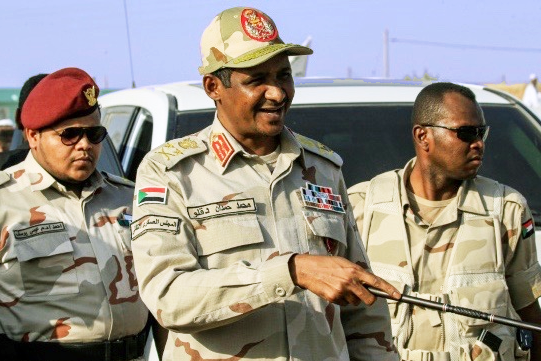
Financial Interests Driving Sudan’s Generals
Sudan’s warring generals are each supported by a network of financial interests. These revenues are funding the conflict, provide incentives for each side to keep fighting, and are an ongoing obstacle to Sudan’s democratic transition. Joseph Siegle talks to VOA's Africa News Tonight.
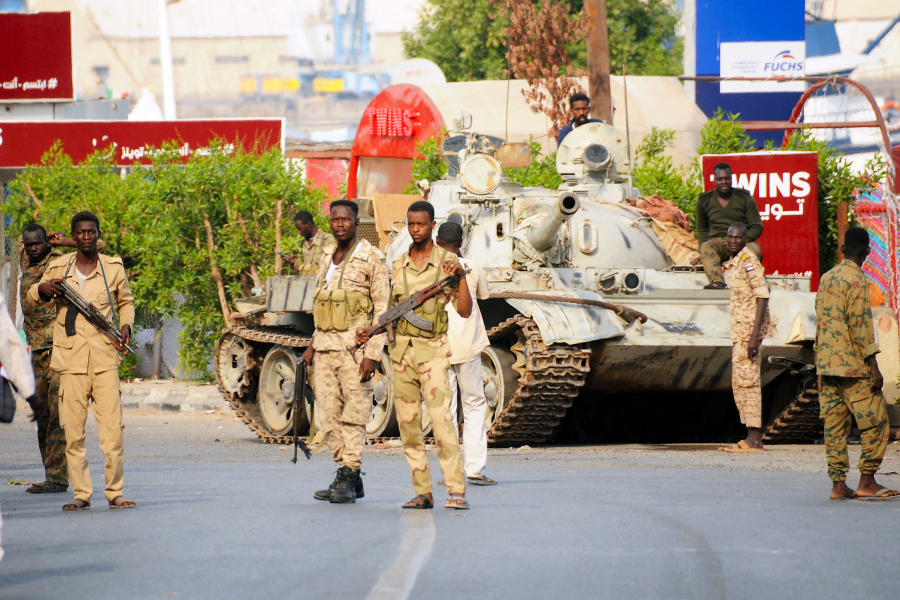
Interview
The convulsions facing Sudan as a result of fighting between rival generals underscore the untenability of military government. Any viable end game to the current crisis, therefore, must entail the restoration of a civilian democratic government and the depoliticization of Sudan’s military actors. Joseph Siegle talks to VOA's Africa News Tonight.
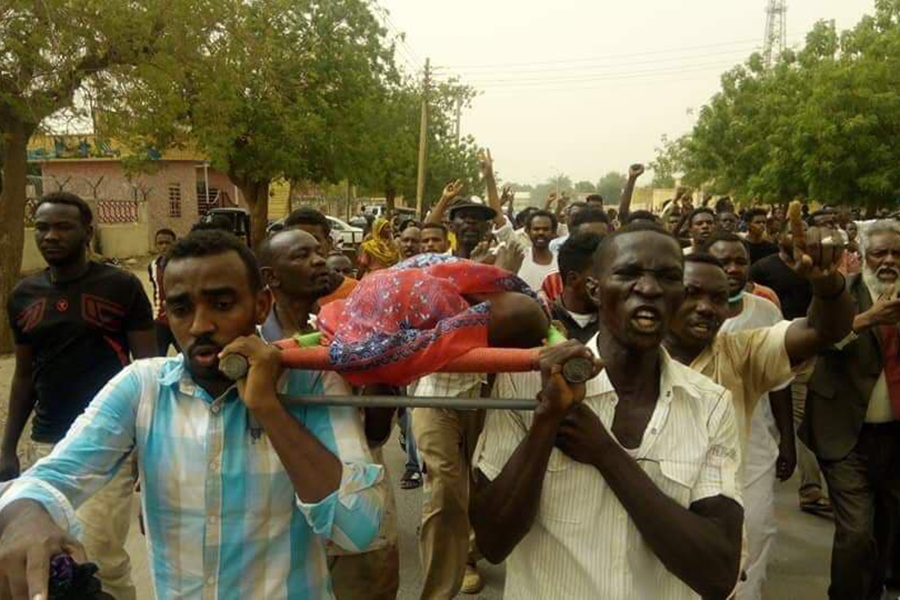
Interview
Sudan Conflict Requires Civilian Engagement
Sudan has endured a military government for the past three decades leading to economic contraction, hyperinflation, and now conflict. The enduring lack of legitimacy, distrust by the population, and need for international investment to stabilize Sudan's economy makes the continuation of any form of military government in Sudan an untenable option. Sudanese civilian and civil society leaders, meanwhile, have demonstrated resiliency and have put forward a pathway for transitioning away from conflict and toward democracy. The Sudan crisis will not be resolved by military actors, therefore, but will require civilian engagement supported by international actors.
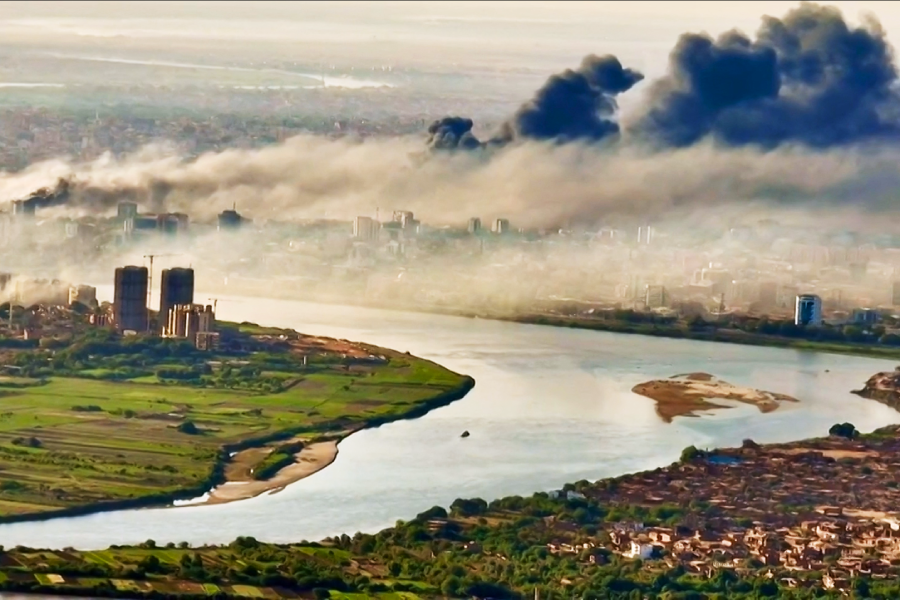
Interview
Background to the Sudan Crisis
The crisis in Sudan has been a long time in coming with rival generals repeatedly undermining the country’s democratic transition in pursuit of their political interests. In the process, they have stymied the democratic aspirations of millions of Sudanese, deepened the country’s economic contraction, and heightened Sudan’s vulnerability to the influence of malign external actors. Joseph Siegle talks to VOA's Africa News Tonight.
Interview
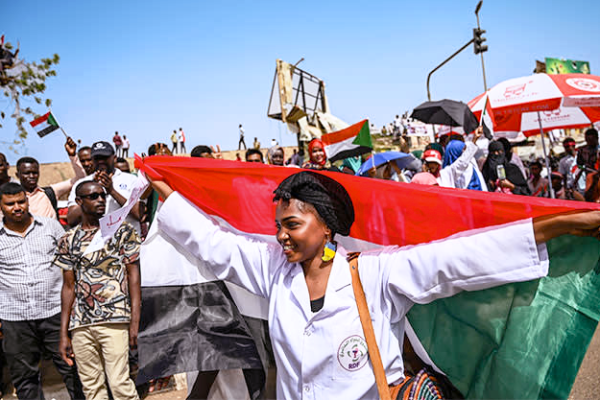
Civilians Call for Sudan’s Military Leaders to Step Down
Civilian leaders and democracy protesters remain skeptical of both sides of Sudan’s military rivalry, which civilians attribute to military actors attempting to hang onto power at all costs. The escalating tensions between the Sudan Armed Forces (SAF) and Rapid Support Forces (RSF) reveal competing interests, chains of command, and organizational structures. An eruption of fighting between the two military camps could plunge the country into a civil war similar to what we have seen in South Sudan. Joseph Siegle talks to VOA's Nightline.
Interview
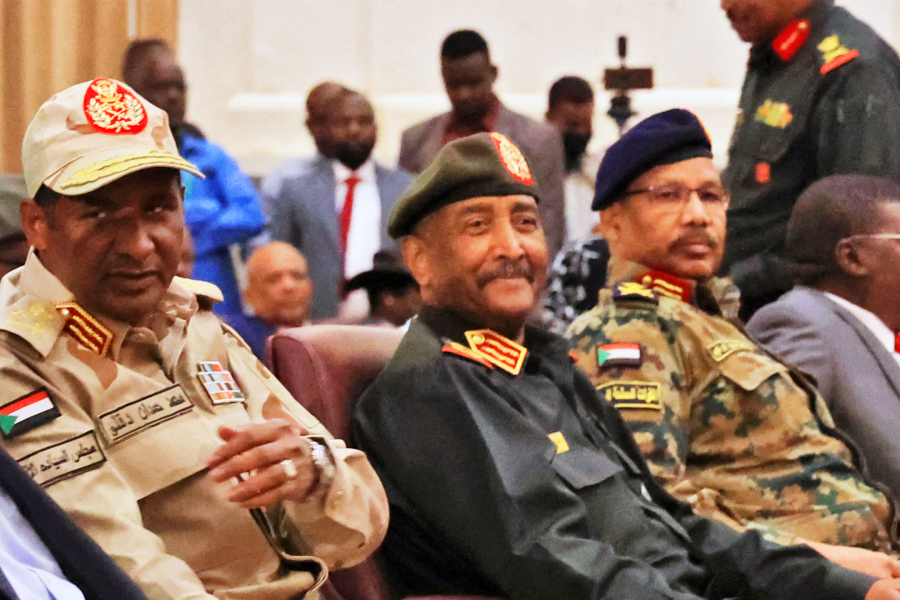
Escalating Tensions within Sudan’s Military Government
A split within the leadership of Sudan’s military government highlights growing fissures over the military coup, reintroduction of Islamists into senior government positions, and the rebuilding of the political bloc of former dictator Omar al-Bashir. Joseph Siegle talks to VOA's Nightline.
Interview
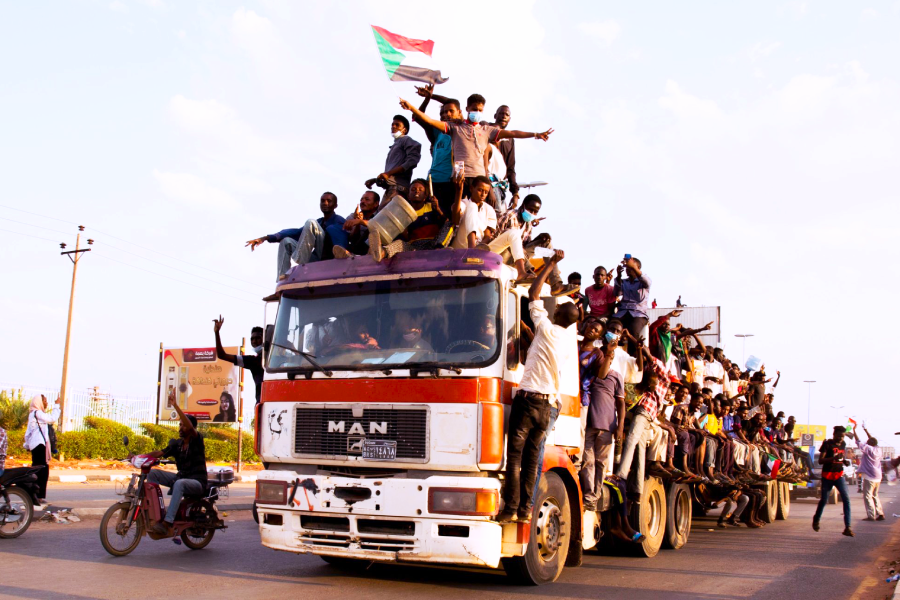
Sudanese Protest on Coup Anniversary
Sudanese remains adamant in their call for a democratic transition in line with the 2019 revolution that toppled Omar al-Bashir after 30 years in power. Civilian protesters have demonstrated impressive resiliency in maintaining demonstrations despite repressive tactics by the military government. Demand for political change goes hand-in-hand with persistent economic mismanagement by the military government resulting in hyperinflation, difficulty accessing basic supplies, and record levels of debt. Joseph Siegle talks to VOA's Africa News Tonight.
Spotlight
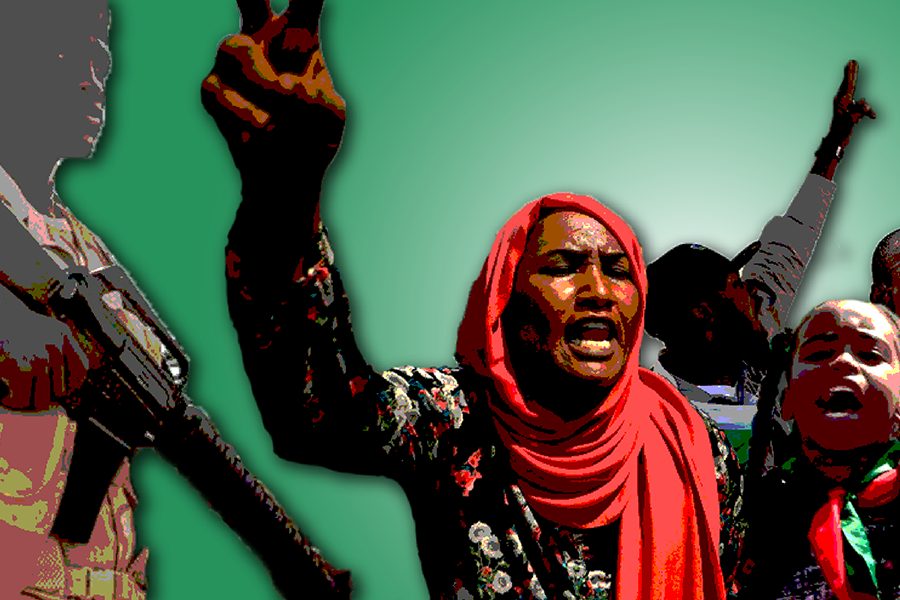
What the Post-Coup Agreement Means for Sudan’s Democratic Transition
Sudan’s democratic transition is under duress as the military seeks validation for its hold on power via the reinstatement of a figurehead civilian prime minister.

Spotlight
The Sudanese Military’s Interests in Civilian Rule
Proactive management of the transition to civilian rule would afford the Sudanese military more stability, budgetary support, and professional benefits.
Spotlight
Reforming the Security Sector in Sudan: The Need for a Framework
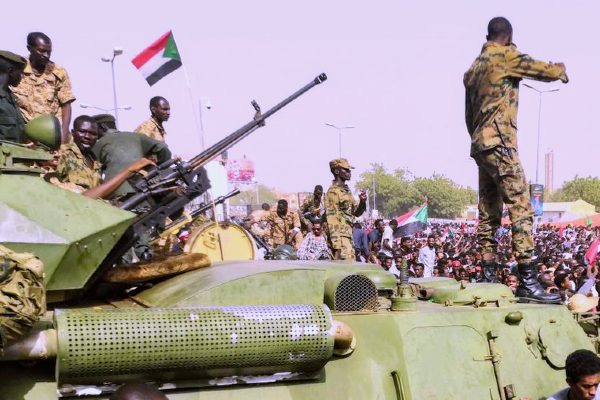
Sudan needs a national security strategy to guide the reforms of its security sector from a tool of repression to sustain the old regime to a professional force that protects citizens under a democratic system.
Spotlight
Five Things to Watch in Sudan’s Transition
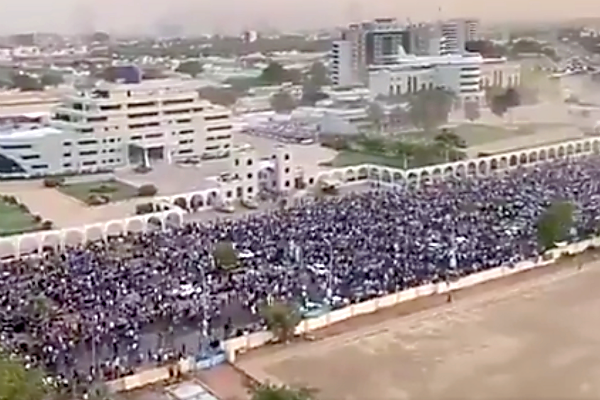
Transforming the protests into genuine democratic change in Sudan will require maintaining an organized reform coalition and reaching an understanding with military leaders.
Spotlight
Sudan’s Shifting Calculus of Power
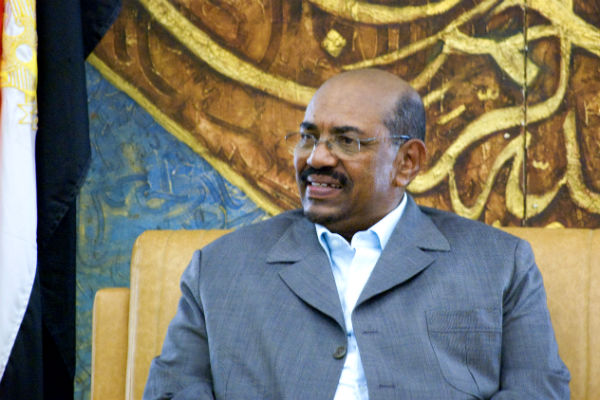
Omar al Bashir’s emergency declaration aims to consolidate support within the military while popular protests continue to demand change.
Spotlight
Understanding the Significance of the Protests in Sudan
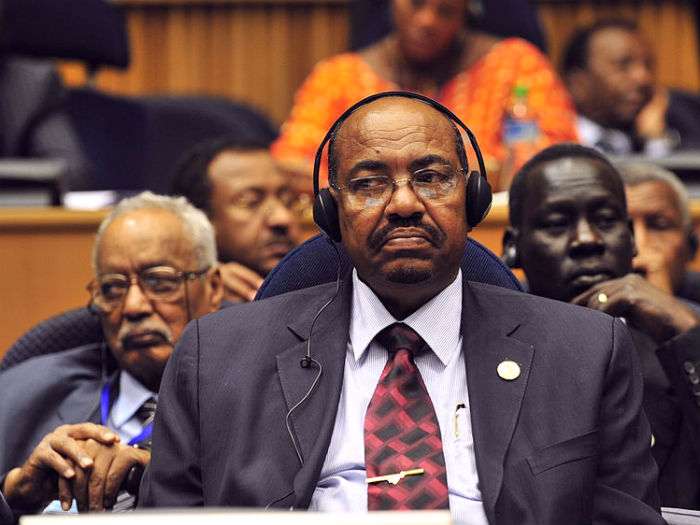
With Sudanese President Omar al Bashir facing unprecedented pressure from a diverse collection of protesters and political parties, mediation is needed to avoid a violent escalation.