The China-Africa Toolkit: A Resource for African Policymakers
South African Institute for International Affairs, 2009.
In addition to $100 billion in annual two-way trade, China provides $13 billion in assistance and supports several peace operations in Africa. To better shape this relationship in a form that enhances and sustains development Africa's policymakers should familiarize themselves with the fundamental drivers of Chinese interests on the continent. [PDF]Implications of a Comprehensive or Integrated Approach for Training in United Nations and African Union Peace Operations
By Cedric de Coning. Norwegian Institute of International Affairs, 2009.
Since 2004 the UN has sought to better align security, political, development, governance, and humanitarian activities within peace operations toward common strategic objectives. This "Integrated Approach" concept will require additional training for mission personnel regarding the peace and political process governing a particular post-conflict setting, the sequence of reconstruction strategies, and special coordination mechanisms with bilateral donors, the AU, and NGOs. [PDF]Lessons Learned from Peace Operations in Africa
"Lessons Learned from Peace Operations in Africa" by Paul Williams.
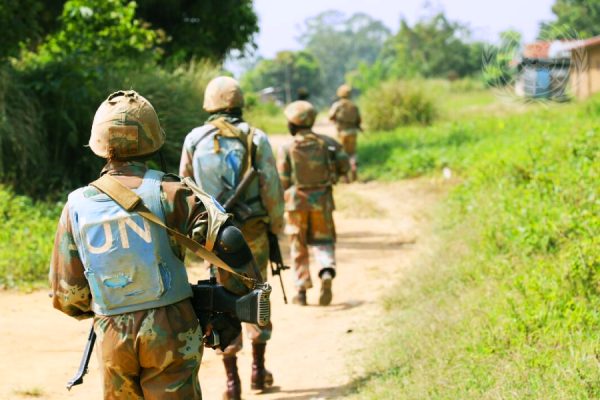
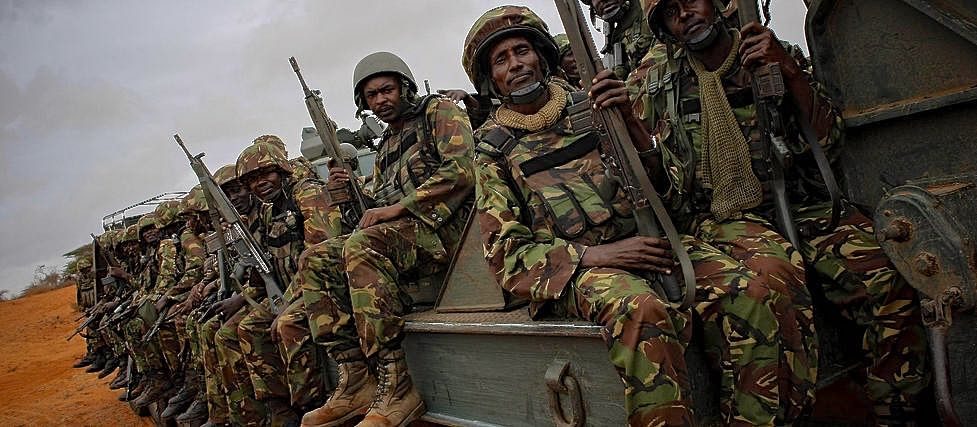
Peace operations have been a principal tool used to curb conflict in Africa over the past decade, with over 40 operations deployed since 2000. This article takes stock of lessons learned from these experiences and the implications they hold for improving the effectiveness of future peace operations in Africa. [ENGLISH] [FRENCH] [PORTUGUESE]The AU in Sudan: Lessons for the African Standby Force
The AU in Sudan: Lessons for the African Standby Force. By Catherine Guicherd. International Peace Institute, 2007.
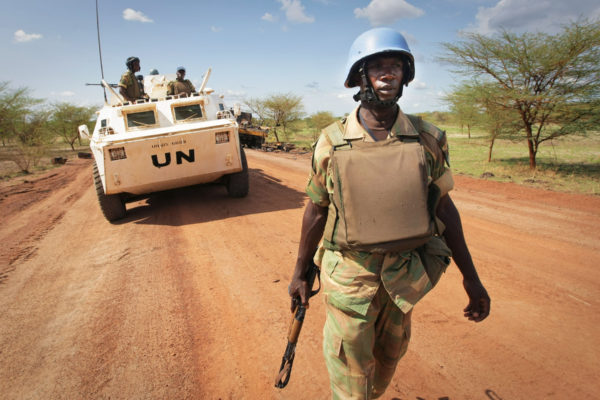
Fifty military, police, and civilian representatives from African states and organizations reviewed the AU's peacekeeping mission in Darfur and proposed strategic- and operational-level recommendations regarding African-led peacekeeping mission structures, planning, operations, and resource allocations. Specific aims were also developed for African states, the AU, regional organizations and international partners. PDFKeeping the Peace in Africa: Why "African" Solutions Are Not Enough
Keeping the Peace in Africa: Why "African" Solutions Are Not Enough. By Paul D. Williams. Carnegie Council for Ethics in International Affairs, 2008 While security in Africa depends on African stakeholders assuming ownership over stabilization strategies, demands for "African solutions to African problems" oversimplify the resources and partnerships necessary to ensure peace. Using this mantra, autocrats can thwart democracy promotion and the priority the UN gives to African security efforts may be downgraded. [HTML]The African Standby Force: An Update on Progress
By Jakkie Cilliers. Institute for Security Studies, 2009. A detailed update on the growth of the continental (AU) and regional (RECs) institutions designed to execute strategy and operations for the five African peace brigades. Includes information on the logistical plans, command and control, equipment, and mandates of the ASF. [PDF]UN Peacekeeping in Civil Wars
UN Peacekeeping in Civil Wars. By Lise Morjé Howard. Cambridge University Press, 2008. Chapter on peacekeeping failures in Somalia, Rwanda, Angola, and Bosnia takes the less conventional view that the UN record actually includes a number of important, though understudied, success stories. Howard argues that UN peacekeeping succeeds when field missions establish significant autonomy from UN headquarters, allowing civilian and military staff to adjust to the post-civil war environment. Howard recommends future reforms be oriented toward devolving decision-making power to the field missions. [GOOGLE BOOKS]Peacekeeping Experiences in Africa from Organization of African Unity to the African Union: An Analytical Historical Perspective
By Geofrey Mugumya. The Royal United Services Institute for Defence and Security Studies (RUSI), 2007. A brief history of the peacekeeping efforts of the OAU, followed by a description of the new peace and security architecture of the African Union. The article concludes with a look at the future of peacekeeping operations in Africa. [PDF]
-
Africa Security
- Experts
- Experts’ Publications
- ACSS Publications
- U.S. Policy
- Security Issues
- Electoral Security
- Africa Security Challenges
- Combating Urban Organized Crime
- Conflict Prevention or Mitigation
- Countering Extremism
- Counter Narcotics
- Democratization
- Identity Conflict
- Irregular Warfare
- Maritime Security
- Natural Resources and Conflict
- Peacekeeping
- Piracy
- Post-Conflict Reconstruction
- Preventing and Reversing Military Coups
- Regional and International Security Cooperation
- Security and Development
- Security Sector Reform
- Stabilization of Fragile States
- Countries and Contexts
- Official Documents