Security Issues

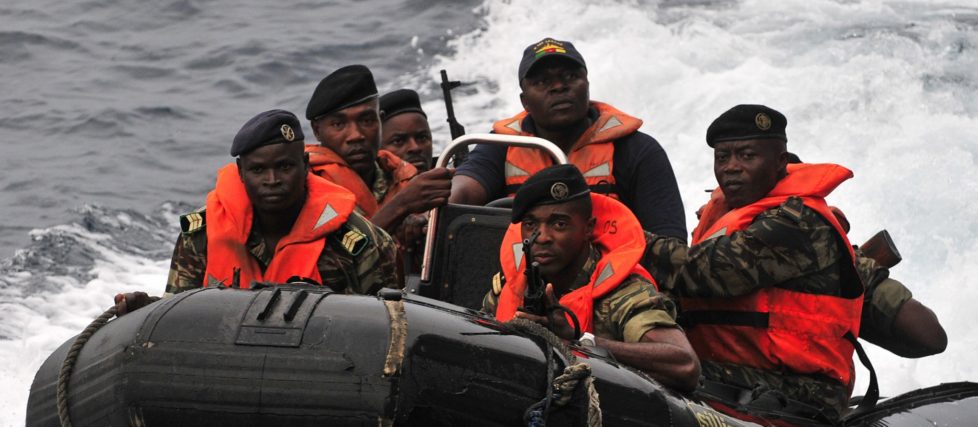
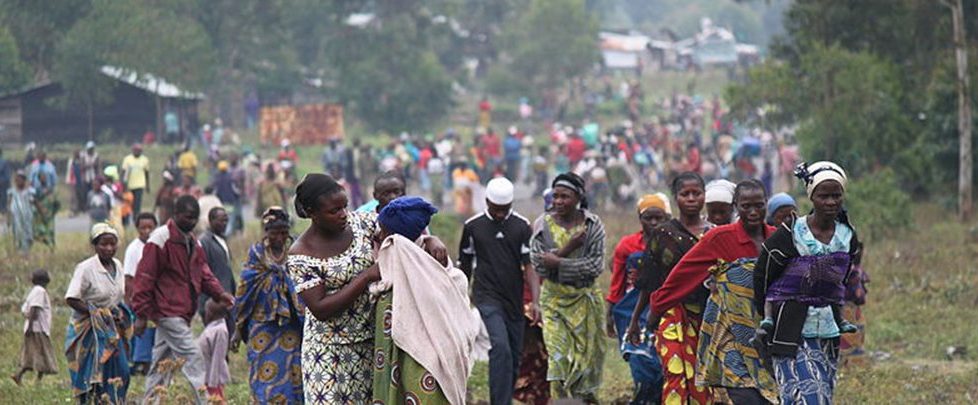
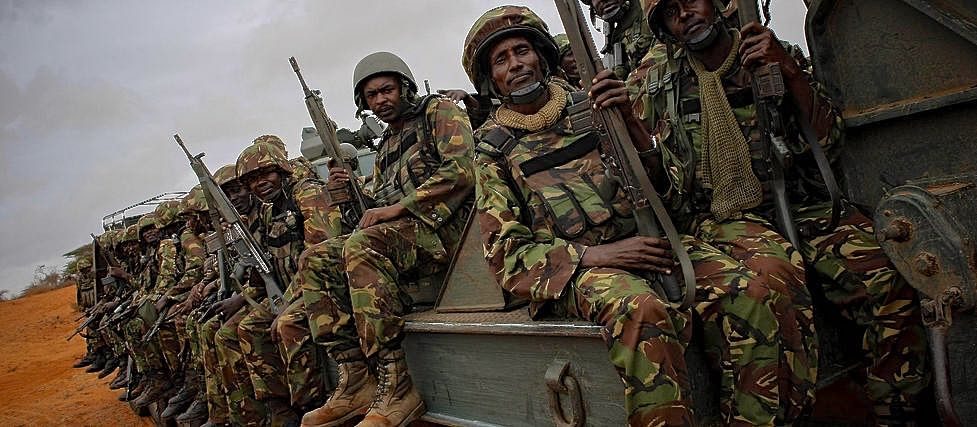
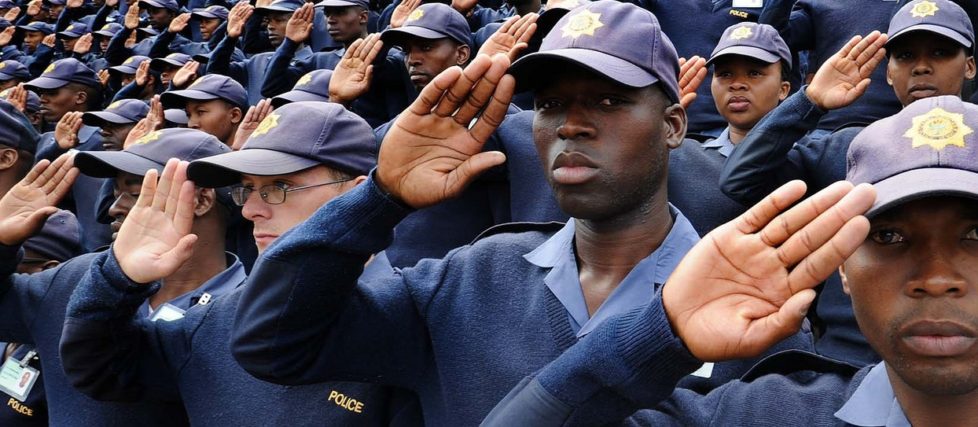
Africa’s dynamic security environment is characterized by great diversity – from conventional challenges such as insurgencies, resource and identity conflicts, and post-conflict stabilization to growing threats from piracy, narcotics trafficking, violent extremism, and organized crime taking root in Africa’s urban slums, among others.

In an effort to help readers stay on top of this extensive array of security issues, ACSS has compiled and regularly updates  a selective list of “must read” analyses of priority Africa security topics.  The views expressed are those of the authors and do not represent an endorsement by ACSS or the Department of Defense.  Please click on a link below to learn more.

  • Africa Security Challenges

    • Maritime Security in the Gulf of Guinea

      piracy_guineaBy Chatham House, March 2013. Piracy in the Gulf of Guinea accounted for 30 percent of all attacks in African waters between 2003 and 2011, and that proportion is increasing. Likewise, illegal fishing is also expanding. These trends directly threaten vital revenues from oil production and sea-based trade as well as a critical source of income and food for numerous Africans that depend on fisheries. To improve security and governance in shared West and Central African maritime domains, overlapping initiatives and multiple maritime regional bodies will need to be integrated. View the Article: [PDF]
    • Sifting Through the Layers of Insecurity in the Sahel: The Case of Mauritania

      mauritania_armyBy Cédric Jourde. Africa Center for Strategic Studies, September 2011.

      Increasing narcotraffic and a more active AQIM are elevating concerns over instability in the Sahel. However, the region’s threats are more complex than what is observable on the surface. Rather, security concerns are typically characterized by multiple, competing, and fluctuating interests at the local, national, and regional levels. Effectively responding to these threats requires in-depth understanding of the multiple contextual layers in which illicit actors operate.

      Download the Brief in: [ENGLISH][FRANÇAIS][PORTUGUESE]

    • African Futures 2050: The Next Forty Years

      map_africaBy Jakkie Cilliers, Barry Hughes, and Jonathan Moyer. Institute for Security Studies, January 2011.

      Major transitions are rapidly reshaping Africa. Economic growth has accelerated, longstanding conflicts are being addressed, and support for democracy is widespread. However, rapid urbanization and changing economic structures are amplifying sociopolitical disruption and crime and domestic militancy are growing. These challenges are typically complex and intertwined. Reversing them will ultimately require building more effective and accountable state institutions.

      Download the Article: [PDF]

    • West Africa: Governance and Security in a Changing Region

      rebelle-touareg2By Abdel Fatau Musah. International Peace Institute, 2009.

      Militant and terrorist groups are a prime source of insecurity in West Africa, but the management of natural resources, market for illicit goods, border administration, and other factors drive and shape the sub-region’s threats. To more effectively confront them, governments and civil society within the ECOWAS sub-regional bloc must collaborate to ensure both national ownership and the strengthening of collective security. [PDF]

    • Security and Development in Sub-Saharan Africa - Looking to the Future

      By Moeletsi Mbeki.  Speech delivered at Commander's Speaker Program at the U.S. Africa Command, January 2010.

      Courtesy-UN-2009

      Africa’s intra-state conflicts and their cross-border consequences continue to hobble development of social anchors that are critical to state stability. These social and development hurdles are hindering Africa's ability to establish secure, democratic, and economically prosperous states. At bottom, "the challenge facing Sub-Saharan Africa is not State building as many analysts believe. The immediate challenge most of Africa faces is society building. more

    • U.S. Security Engagement in Africa

      usarmyafrica By William M. Bellamy. Africa Center for Strategic Studies, 2009.

      A significant development in Africa over the past decade has been the generalized lessening of violent conflict. Revitalized, expanded international peacekeeping, bolstered by a newly launched African Union (AU) determination to tackle security challenges, has reinforced this trend.  But, much more cohesive interagency coordination under strong White House direction is required if the United States is to contribute to Africa’s sustained stability given the region’s persistent conditions of poverty, inequality, and weak governance.

      [PDF] English; [PDF] French; [PDF] Portuguese For additional reading go to: Africa Security Challenges
    • Africa: Confronting Complex Threats

      By Kwesi Aning. International Peace Institute, 2007.(Courtesy  International Peace Institute  2009) Africa’s security challenges are increasingly defined by fragmentation of political authority, mounting political influence of armed sub-state actors, and increased vigilantism. The reliance of non-state combatants on external sources of funding and logistical support, meanwhile, underscores that peace and security on the continent is closely linked to the cooperation of contiguous countries.  [PDF] For additional reading go to: Africa Security Challenges
    • Conflict Trends in Africa, 1946-2004

      By Monty Marshall. Center for Systemic Peace; Africa Conflict Prevention Pool, 2005. Evidenced-based analysis of Africa's conflict trends over the past 60 years. Captures overall decline and shifts in types of conflict facing Africa over this time. Highlights the challenges of state formation instability and the politics of ethnic exclusion. [PDF]

    Other Reads


  • Combating Organized Crime

    • Organized Crime and Conflict in the Sahel-Sahara Region

      National Police Seize Drugs - UN Photo/Christopher HerwigBy Wolfram Lacher. Carnegie Endowment of International Peace, September 2012. Fragility in the Sahel-Sahara region is driven in part by worsening organized crime. Collusion between smugglers of cigarettes, drugs, and weapons and state officials has eroded state authority and created lucrative funding channels for Islamist terrorists, ethnically-aligned militias, and criminal groups in the Sahel-Sahara region. To reverse this worsening instability, governments and international partners should aim to break up alliances between militias and other local criminal networks that lack strong ideological or principled bonds. Meanwhile, improved opportunities for genuine political participation for marginalized groups can further diminish support for organized crime. Download the article [PDF]
    • Justice for Forests: Improving Criminal Justice Efforts to Combat Illegal Logging

      Africa Illegal LoggingBy Marilyne Pereira Goncalves, Melissa Panjer, Theodore S. Greenberg, and William B. Magrath. World Bank, March 2012. Large-scale illegal logging operations are often linked to transnational organized criminal networks that rely on high-level corruption, intimidation, and violence. In some countries, as much as 90 percent of logging is illegal, threatening biodiversity, livelihoods, and economic development. States can better use existing information on business transactions collected by financial institutions to increase understanding of these logging networks and strengthen criminal investigations against offenders. Download the article: [PDF]

    • Termites at Work: Transnational Organized Crime and State Erosion in Kenya

      IvoryBy Peter Gastrow. International Peace Institute, September 2011. For many African states, powerful transnational criminal networks constitute a direct threat to the state itself, not only through open confrontation but also by penetrating state institutions through corruption and subverting them from within. With a sharp rise in narcotics and illicit trafficking, countries risk becoming criminalized or captured states. Advanced investigative law enforcement units are needed to stem transnational crime and oversight of government agencies and regulations should be made more rigorous. Download the article: [PDF]
    • Urban Fragility and Security in Africa

      nigeria_violence_2011 By Stephen Commins, Africa Center for Strategic Studies, 2011.

      Estimates are that more than half of all Africans will live in cities by 2025. This rapid pace of urbanization is creating a new locus of fragility in many African states – as evidenced by the burgeoning slums around many of the continent’s urban areas – and the accompanying rise in violence, organized crime, and the potential for instability. These evolving threats, in turn, have profound implications for Africa’s security sector.

      Download the Brief in: [ENGLISH][FRANÇAIS][PORTUGUESE]
    • Crime and Instability: Case Studies of Transnational Threats

      1789-300x199By, UN Office on Drugs and Crime, 2010. Organized crime and attendant illicit trafficking has undermined the rule of law in various regions around Africa and become both cause and symptom of instability and conflict. Efforts to confront these challenges are too often merely national or bilateral in scope, against which the transnational complexity and sophistication of criminal networks has proven very resilient. Download the Article: [PDF]
    • Organized Crime in South Africa

      Organized Crime in South AfricaBy STRATFOR, 2008. An in-depth analysis of the history, structure, and geography of organized crime in South Africa. While cognizant of the tremendous strides the South African government has made from the apartheid days when organized crime formed a key role in many industries, the article emphasizes the continued attraction of South Africa as an attractive destination for organized crime.  View the Article: [HTML]

    Other Reads


  • Conflict Prevention or Mitigation

    • Arms Flows to Sub-Saharan Africa

      Local man walking on the street with russian machine gunBy Pieter D. Wezeman, Siemon T. Wezeman and Lucie Béraud-Sudreau. Stockholm International Peace Research Institute, December 2011. The arms trade to Africa is small by global standards, but it has outsized impacts on security. Even older or small arms shipments have exacerbated or tipped the balance toward one group in unstable contexts such as Darfur, Chad, or Madagascar. However, arms flows are also necessary for governments to manage legitimate security challenges, including those participating in peace operations in the Congo or Somalia. African states should more aggressively uphold international transparency and reporting standards on arms purchases, flows, and inventory to ensure they reinforce rather than undermine security on the continent. Download the article: [PDF]
    • Mediating to Governments of National Unity - A Conflict Transformative Approach

      Kenyan Refugees - Tribal Unrest Post ElectionBy Grace Maina. ACCORD, February 2011.

      Outbreaks of violence following disputed national elections in Zimbabwe and Kenya resulted in power-sharing arrangements mediated by African and international actors. Increasingly, such Governments of National Unity (GNUs) are viewed as valuable tools to quell violence by establishing an inclusive solution for disputing parties. However, though potentially useful in the short-term, GNUs offer only limited options for transforming root conflict drivers. Other reforms to legal frameworks, political freedoms, and electoral management should not be overlooked as crucial components of preventing violent disputes. Download the article: [PDF]

    • Alternative Dispute Resolution in Africa: Preventing Conflict and Enhancing Stability

      AlternativeDisputeResolutionInAfrica2 By Ernest Uwazie. Africa Center for Strategic Studies, November 2011. Low-level disputes in Africa can spiral into violence and conflict due to the lack of effective judicial systems that can provide a credible and timely process for resolving differences. Alternative Dispute Resolution techniques can strengthen dispute settlement systems and bridge the gap between formal legal systems and traditional modes of African justice. They may have particular value in stabilization and statebuilding efforts when judicial institutions are weak and social tensions are high. Download the Brief in: [ENGLISH][FRANÇAIS][PORTUGUESE]
    • Conflict-Sensitive Land Policy and Land Governance in Africa

      farmers_kivuBy Joost Van Der Zwan. International Alert, April 2011.

      Competing claims, inequitable access, and mismanagement of land and natural resources is a source of conflict in many African states. Prevention is critical since disputes are often entangled with complex factors such as demographic pressures and food insecurity and are therefore difficult to resolve. Identifying incremental reforms can quickly reduce conflict drivers, but should be supported by thorough analysis for unobservable flashpoints and dispute mediation mechanisms. Download the Article: [PDF]


    • Local Justice in Southern Sudan

      local-justice-s-sudandBy Cherry Leonardi, Leben Nelson Moro, Martina Santschi and Deborah H. Isser. Rift Valley Institute and the U.S. Institute of Peace, 2010.

      Favoritism, corruption, and political interference in South Sudan’s emerging justice system have lowered confidence in its ability to resolve disputes and address revenge killings and inter-communal conflict.  However, local and traditional justice mechanisms have established records of consensual dispute resolution within and across ethnic lines and could be better integrated with newly formed southern governance structures. Download the Article: [PDF]

    • Burundi’s Transition: Training Leaders for Peace

      By Howard Wolpe and Steve McDonald. Journal of Democracy, 2006. An account of the Burundi Leadership Training Program that the Woodrow Wilson Center has led since late 2002. The piece focuses on explaining the relative merits of the so-called Ngozi process, whereby representatives from various groups in conflict are brought together to engage in cooperation-building interactive exercises. Their experience may offer useful lessons for others engaged in conflict mitigation work.  Download the Article: [PDF]

    Other Reads


  • Counter Narcotics

    • West Africa 2012 Amphetamine-Type Stimulants Situation Report

      Amphetamine-Type StimulantsBy UN Office on Drugs and Crime, June 2012. Increasing evidence of amphetamines trafficking suggests that the narcotics trade in Africa continues to expand and evolve. Imported pre-cursor chemicals have been stolen in Kenya and Côte d’Ivoire; sophisticated labs have been broken up in Nigeria, Guinea, and South Africa; and numerous Africans have been arrested trafficking high-priced meth in Asia. Weak knowledge of amphetamine inputs, inconsistent reporting to regional and international bodies, and lax investigation of manufacturing has severely impeded response efforts by African authorities. Download the article: [PDF]
    • Termites at Work: Transnational Organized Crime and State Erosion in Kenya

      IvoryBy Peter Gastrow. International Peace Institute, September 2011. For many African states, powerful transnational criminal networks constitute a direct threat to the state itself, not only through open confrontation but also by penetrating state institutions through corruption and subverting them from within. With a sharp rise in narcotics and illicit trafficking, countries risk becoming criminalized or captured states. Advanced investigative law enforcement units are needed to stem transnational crime and oversight of government agencies and regulations should be made more rigorous. Download the article: [PDF]
    • The Global Afghan Opium Trade: A Threat Assessment

      Heroin trafficking flows from Pakistan, 2009By the UN Office on Drugs and Crime, July 2011.

      Africa features prominently in the global heroin trade as a transshipment point and a significant consumer market. Traffic to and through the continent is dominated by Africans, who account for 50 percent of all drug arrests in Pakistan. Sharply higher traffic through African commercial air and seaports suggest a need for more robust customs regimes and stronger investigative and judicial follow through to better understand and frustrate smuggling networks.

      Download the Article: [PDF]

    • Cocaine and Instability in Africa: Lessons from Latin America and the Caribbean

      AfricaBriefFinal_5 By Davin O'Regan. Africa Center for Strategic Studies, 2010.

      Africa is facing an increasingly menacing threat of cocaine trafficking that risks undermining its security structures, nascent democratic institutions, and development progress. Latin America has long faced similar challenges and its experience provides important lessons that can be applied before this expanding threat becomes more deeply entrenched on the continent - and costly to reverse.

      Download the Article: [ENGLISH][FRANÇAIS][PORTUGUESE]
    • The Invisible Tide: Towards an International Strategy to Deal with Drug Trafficking Through West Africa

      hashishBy James Cockayne and Phil Williams.  International Peace Institute, 2009. Narcotics trafficking in West Africa threatens to destabilize the sub-region by corrupting its courts, barracks and other public offices.  The international community can help West Africa through the UN Peacebuilding Commission and the UN Office on Drugs and Crime. Meanwhile, ECOWAS should establish a Forum on West African Drug Trafficking to facilitate information-sharing and intra-regional coordination. Download the Article:  [PDF]

    • West Africa's International Drug Trade

      Cocaine-onstory_1126276c

      West Africa's International Drug Trade. By Stephen Ellis. African Affairs, 2009.

      Recent large-scale hauls of Europe-bound cocaine in West Africa have prompted calls for enhanced counternarcotics efforts to stem a rising tide of destabilization. Yet sophisticated, resilient and effective West African organized crime syndicates have trafficked drugs globally for decades. Counternarcotics strategies face an entrenched threat to security rather than a new phenomenon.  View the Article: [HTML]


  • Countering Extremism

    • Pakistan’s Civil Society: Alternative Channels to Countering Violent Extremism

      WORDE-AlternativeChannelsToCVEBy Hedieh Mirahmadi, Mehreen Farooq, Waleed Ziad. World Organization for Resource Development and Education, November 2012. Pakistan has for years struggled against violent extremist ideologies that underlay several intrastate conflicts and transnational terrorist threats, problems now emerging in Mali, Nigeria, Kenya, and other regions of Africa. With weak legitimacy, the Pakistani government’s counter-extremism strategy has achieved little, but religious and secular civil society outfits have initiated their own successful community engagement efforts. They have been limited mostly by a lack of organizational management, inter-group connectivity, and personal security. Government efforts to compensate for these shortcomings could produce further counter extremism successes. Download the Article: [PDF]
    • Islamic Militancy in Africa

      Suspected Shabaab Members Captured in Somali Capital By Terje Østebø. Africa Center for Strategic Studies, November 2012.

      The rise in Islamic militancy in the Sahel, northern Nigeria, and the Horn of Africa has elevated attention to this evolving security concern. Hopes that Africa's historically moderate interpretations of Islam would suffice to filter extremist views from gaining meaningful traction seem increasingly misplaced. More generally, understanding of this unconventional security challenge is often based more on speculation than informed assessment. Responses must avoid conflating distinct Islamist actors while addressing local level perceptions of disaffection and under-representation that underpin support for militants.

      Download the Brief:[ENGLISH][FRANÇAIS][PORTUGUESE]

    • Purist Salafism in the Sahel and Its Position on the Jihadist Map

      Reading Qur'an TextBy Mohamed Salem Ould Mohamed. Al Jazeera Center for Studies, July 2012. Mali, Mauritania, Nigeria, Niger and other states in the Sahel appear to be experiencing a new “Salafist era.” Since the introduction of Saudi Wahhabist institutions in the 1970s Salafism has expanded gradually in the Sahel, though with varying success as it interacted with differing political contexts and contrasted sharply with prevailing Islamic institutions. However, states in the Sahel may be able to leverage their religious and ethnic diversity to temper and reverse extremism’s rise. Download the article: [PDF]
    • Islamism in the Horn of Africa: Assessing Ideology, Actors, and Objectives

      Islamism-in-HornBy Terje Østebø. International Law and Policy Institute, June 2010. Islamism has been present in the Horn of Africa for decades and is currently making significant impacts across the region. Encompassing a variety of actors and ideological traits, it is a heterogeneous phenomenon with political and reformists groups as well as violent extremist elements. Stability in the region, from the community to the national level, will hinge on engagement strategies that incorporate the non-violent elements of this diversity into the public sphere. Download the Article:[PDF]
    • Playing Ostrich: Lessons Learned from South Africa’s Response to Terrorism

      sapoliceBy Hussein Solomon. Africa Center for Strategic Studies, 2011.

      While not often considered a hub in global terrorist networks, South Africa has seen a steady and growing pattern of domestic and al-Qaeda-linked terrorist activity over the past decade. Coinciding with the creeping expansion of terrorist threats in other parts of the continent, this Security Brief examines lessons learned from South Africa's experience and their potential relevance to other African countries and their security sectors."

      Download the Article: [ENGLISH][FRENCH][PORTUGUESE]

      A Chronology of Terrorism in South Africa: [ENGLISH][FRENCH][PORTUGUESE]

    • Africa's Fragile States: Empowering Extremists, Exporting Terrorism

      FragileStatesBy Zachary Devlin-Foltz. Africa Center for Strategic Studies, 2010.

      Persistent reports of extremist activity from across Africa have deepened concern over the spread of radicalism on the continent. Extremists capitalize on political and security vacuums within Africa’s fragile states to grow their support base and consolidate their strength. Stable states that provide opportunities for political participation empower moderates while delegitimating extremists’ use of violence.

      Download the Article: [ENGLISH][FRENCH][PORTUGUESE]
    • Islamists in Politics: The Dynamics of Participation

      pjd_morocco By Marina Ottaway and Amr Hamzawy, Carnegie Endowment for International Peace, 2008.

      On-going ideological debates within Islamic parties often pit hard-line elements against reformers. When allowed to operate openly, most Islamist parties gradually moderate their agendas in order to widen their base of support. In contrast, politically constricted environments provide few opportunities to win new supporters, leaving Islamist parties to appeal to their base. Download the Article: [PDF]

    • African Counterterrorism Cooperation: Assessing Regional and Sub-regional Initiatives.

      Le-Sage-CoverAfrican Counterterrorism Cooperation: Assessing Regional and Sub-regional Initiatives. Edited by Andre Le Sage, Potomac Books, 2007. As transnational terrorism expands in several regions of Africa, it has yielded distinctive threats and vulnerabilities, demanding tailored responses. This compendium of works analyzing terrorism in Africa and efforts to confront it provides valuable insights to evolving counterterrorism policies. Link to Publisher

    Other Reads


  • Democratization

    • Strategies for Effective Policy Advocacy: Demanding Good Governance in Africa

      African Reading TextsBy George Katito and Faten Aggad. South African Institute of International Affairs,. June 2009. African civil society organizations (CSOs) play an essential role in advancing governance improvements, but this work is politically and technically challenging. While each African context features its particular pitfalls and demands nuanced strategies, a survey of African CSOs indicates that developing CSO effectiveness begins with four pillars: strategic planning, functional outreach networks, willingness to ”play politics” and push for change within the existing governance system, and harnessing technology for activism. Download the article: [PDF]
    • Africa and the Arab Spring: A New Era of Democratic Expectations

      senegal_anti-Wade_protests-300x199By Africa Center for Strategic Studies, November 2011.

      Military coups in Mali and Guinea-Bissau have overshadowed a deepening institutionalization of democratic processes in Africa over the past decade. These advances have been augmented by a growing commitment by Africa's regional bodies to uphold emerging democratic standards. The Arab Spring, likewise, sparked a broader debate about the legitimate claims on authority across the continent. These crosscurrents reflect an ongoing struggle for governance norms in Africa that will require active engagement from African reformers and international partners to sustain Africa's democratic trajectory.

      Download the Article: [ENGLISH][FRANÇAIS][PORTUGUESE]

    • Africa's Militaries: A Missing Link in Democratic Transitions

      Mauritania_military-w By Mathurin C. Houngnikpo. Africa Center for Strategic Studies, January 2012.

      The institutionalization of democratic norms in Africa's militaries is often lagging behind advances made in civilian institutions and civil society. In some situations, security sectors have actively aligned themselves with incumbent leaders seeking to stay in power or directly intervened in politics, thereby discrediting the entire security sector and marginalizing its role when transitions do occur. With national elections becoming increasingly routine and subject to stricter oversight, such dilemmas will continue to be front and center in Africa's political development.

      Download the Brief in: [ENGLISH][FRANÇAISPORTUGUESE]

    • Social Networks and Democratic Transitions

      facebook_tunisia_libyaBy Joseph Siegle. Developing Alternatives, 2008.

      The success and stability of democratic transitions is often a function of the strength of prevailing social networks. Such transitions often face active resistance from vested interests. Yet, the cohesion of  networks of civic groups, labor unions, business associations, and others with robust information-sharing systems permit the flexibility and resilience needed to realize genuine reforms and ensure stable transitions. Download the Article: [PDF]

    • Assessing Electoral Fraud in New Democracies: A Strategic Approach

      By Staffan Darnolf. IFES, March 2011. 

      Recent and upcoming elections around Africa demonstrate that transparent and well-managed electoral systems are key to advancing transitional states, consolidating democratic progress, and avoiding destabilizing disputes. Current electoral management methods, however, frequently lack focused strategies that integrate electoral commissions, political parties, and civil society monitors to effectively assess, deter, detect, and mitigate fraud. Download the Article: [PDF]

    • Progress and Retreat in Africa: Legislatures on the Rise?

      Senegalese parliamentBy Joel Barkan.  Journal of Democracy, 2008.

      Legislatures in Africa are becoming more assertive and securing a more equal distribution of political and decision-making power within the continent's young multi-party democracies.  Particularly notable improvements have been achieved in Kenya and Ghana and reveal 10 parameters that determine the balance of authority between branches of government.

      Download the Article:
      Download the Article: [PDF]

    Other Reads


  • Electoral Security

    • In Kenya, Using Technology for Safer Elections

      Africa-Technology-TelecommunicationsBy IFES, June 2012. In response to the violence following Kenya's 2007 presidential election, the electoral commission has introduced several new technologies. Biometric voter registration and electronic results tallying and transmission will improve the reliability and speed of vote counting, while greater cooperation with the media and new authorities allowing the commission to prosecute electoral irregularities and violence will ensure more transparent, secure, and credible electoral process. Download the Article: [PDF]
    • Election-Related Disputes and Political Violence: Strengthening the Role of the African Union in Preventing, Managing, and Resolving Conflict

      Election_Related_DisputesBy African Union Panel of the Wise and International Peace Institute, 2010. Elections are competitive processes that if not constructively managed can potentially foment destabilizing disputes. Africa should make deliberate efforts to progressively and creatively move toward electoral systems that broaden representation, recognize diversity, and respect majority rule while at the same time protecting minority rights. When conflicts do emerge external actors such as the African Union have a range of dispute resolution and confidence-building mechanisms that can defuse the escalation of violence. Download the Article: [PDF]
    • Preventing and Managing Violent Election-Related Conflicts in Africa: Exploring Good Practices

      elections_kenyaBy Khabele Matlosa, Victor Shale and Dimpho Motsamai. Electoral Institute for Sustainability of Democracy in Africa, 2010.

      Violence during elections tends to be an outgrowth of elite struggles for control of state power and resources and is much more likely when rules and institutions to manage political competition are weak or manipulable. Political party liaison mechanisms and more autonomous electoral commissions can mitigate triggers of violence, but genuine prevention requires that the African Union and Regional Economic Communities pressure political elites to support and observe legitimate electoral processes. Download the Article: [PDF]

    • Colloquium on African Elections: Best Practices and Cross-Sectoral Collaboration

      GHANA ELECTIONBy Colloquium on African Elections: Best Practices and Cross-Sectoral Collaboration The National Democratic Institute, 2010. Elections are complex multi-stage cycles that require close coordination among many partners. The security services play a vital role in such collaborative efforts by performing pre-election threat assessments and response plans, actively participating in electoral coordinating bodies, and providing a safe and secure environment that supports the process in an impartial manner. Download the Article: [PDF]

    Other Reads


  • Identity Conflict

    • Who Belongs Where? Conflict, Displacement, Land and Identity in North Kivu, Democratic Republic of Congo

      Mugunga Internally Displaced Person (IDP) CampBy Social Science Research Council. March 2010. Surveys show that residents in the eastern DRC believe that the region’s lengthy conflict is fundamentally “foreign” or Rwandan. Thus, many Congolese who share ethnic identities with those prevailing in Rwanda are viewed as foreigners with no legitimate claims to political or economic rights regardless of their citizenship. Stronger efforts to promote a 2004 law that clarified and broadened Congolese citizenship at the grass roots are essential to overcome ethnic cleavages and attendant disputes over land, resources, and power. Download the article: [ENGLISH] [FRANÇAIS]
    • Nigeria's Pernicious Drivers of Ethno-Religious Conflict

      nigeria_mosque-horz By Chris Kwaja. Africa Center for Strategic Studies, July 2011.

      Nigeria's long-running "indigene-settler" conflict in and around Jos, Plateau State has escalated in recent years and may spread to other ethnically mixed regions of the country, heightening instability. Navigating such inter-communal fault lines is a common challenge for many African societies that requires looking past symptoms to address systemic drivers. In Nigeria, this will entail measures that directly mitigate violence as well as realize constitutional reform.

      Download the Brief in: [ENGLISH][FRENCH][PORTUGUESE]

    • Preventing Identity Conflicts Leading to Genocide and Mass Killings

      3027873156_ccdc304475By I. William Zartman. International Peace Institute, November 2010.

      Mass killings do not break out unannounced, but rather are preceded by identity-based tensions stoked by political entrepreneurs to rally support for their narrow objectives and designs. The resulting spoils of such incitement can be subverted through sustained and early efforts to manage ethnic relations, protect minority rights, uphold accountable governance, and exercise the responsibility to protect. Download the Article: [PDF]

    • Islam and Christianity in Sub-Saharan Africa

      By, Pew Forum on Religion and Public Life, 2010.

      Despite high levels of religious diversity and adherence in many African countries, most African Christians and Muslims are unfamiliar with each other’s faith and believe they share few commonalities. In fact, concerns about religious conflict are modest compared with those of poverty, corruption, and other political and socioeconomic issues. Download the Article: [PDF]

    • Misinterpreting Ethnic Conflicts in Africa

      Demobilization_of_Burundian_MilitaryBy Fr. Clement Mweyang Aapenguo. Africa Center for Strategic Studies, April 2010. Ethnic conflicts in Africa are often portrayed as having ages-old origins with little prospects for resolution. This article challenges that notion arguing that a re-diagnosis of the underlying drivers to ethnic violence can lead to more effective and sustainable responses. Download the Brief: [ENGLISH][FRANÇAIS][PORTUGUESE]
    • Ethnocentrism and Communal Conflict in Africa

      By York Shaw-Taylor, Racism Review, 2009. Civil wars and communal conflict in Africa are often attributed to the strength and prevalence of ethnic identity over national or civic identity and its attendant affect on political and social allegiances. Yet a review of recent survey data in several African countries is unable to validate this popular proposition. View the Article: [HTML]

    Other Reads


  • Irregular Warfare

    • Armed Non-State Actors: Current Trends & Future Challenges

      Armed Non-State Actors Working PaperBy Geneva Centre for the Democratic Control of the Armed Forces and Geneva Call, 2012. Armed nonstate actors, be they insurgents, vigilantes, or criminal groups, are a common challenge in many African countries. Despite being illegal and clandestine, such groups often develop a mutual dependency with communities and civilians for security or economic relations. This has broadened strategies to manage these threats. Inclusive approaches spearheaded by non-military actors to instill respect for basic norms of combat and human rights within state and nonstate forces alike are valuable parts of comprehensive efforts to mitigate irregular conflict and improve prospects for demobilization. Download the Article: [PDF]
    • Victory Has a Thousand Fathers: Evidence of Effective Approaches to Counterinsurgency, 1978-2008

      RebellionBy Christopher Paul, Colin P. Clarke, and Beth Grill. Small Wars Journal, January 2011. When a country becomes host to an insurgency, a prospect many African states face, what counterinsurgency approaches offer the best chance of prevailing? There are roughly 20 approaches that are commonly employed, including amnesties, strategic communication, or rigorous suppressive operations. An analysis of 30 insurgencies finds that successful strategies tend to employ multiple approaches and favored those that enhanced the legitimacy of the government and security forces. Reliance on repressive measures more often led to failure. Download the article: [PDF]
    • Optimizing Africa's Security Force Structures

      asb 13By Helmoed Heitman. Africa Center for Strategic Studies, May 2011. Combating irregular forces has become a common feature of the contemporary African security landscape. However, the security sector in most African countries is ill-prepared to conduct effective counter-insurgency operations. Realigning force structures to address these threats while building security sector professionalism to gain the trust of local populations is needed to do so. Download the Article in: [ENGLISH] [FRANÇAIS] [PORTUGUESE]
    • Militias, Rebels, and Islamist Militants: Human Security and State Crises in Africa

      Al_ShabaabEdited by Wafula Okumu and Augustine Ikelegbe. Institute for Security Studies, 2010.

      Armed nonstate groups able to cultivate disillusionment with existing regimes and successfully evade defense forces increasingly dominate the threat landscape across Africa. Such groups in Nigeria, Sudan, Angola, and elsewhere indicate a need for better policies to reverse emergent violent youth cultures, monitor transborder areas, and population-centric security and governance strategies.

      Download the article: [PDF]

    • Are Africa's Wars Part of a Fourth Generation of Warfare?

      Kiwanja_refugee_camp By Paul Jackson. Contemporary Security Policy, 2007. Fourth Generation Warfare (4GW) – models of asymmetric warfare that emphasize culture, politics, economics, non-state actors, and targeting of civilians – has a growing applicability for understanding Africa’s complex conflicts. In particular, 4GW frameworks underscore the need for comprehensive, as opposed to purely military, solutions to conflict on the continent.  Download the Article: [PDF]

    Other Reads


  • Maritime Security

    • Toward an African Maritime Economy: Empowering the African Union to Revolutionize the African Maritime Sector

      By Commander Michael Baker. Naval War College Review, 2011. Africa suffers from fragmented maritime governance regimes, contributing to insecurity and lost development potential. For example, while some countries may make progress improving port efficiency, gains are offset by rising piracy – or vice versa. Through its ongoing integrated maritime strategy development efforts, the African Union should work in partnership with member states and international actors to align disparate African maritime laws and better integrate the continent’s five maritime early warning centers, among other improvements. Download the Article: [PDF]
    • Maritime Security and International Law in Africa

      110722-N-TY225-318By John Gibson. Africa Security Review, 2009.

      Coastal states hold sovereignty over their territorial seas, but there are restrictions on governments’ ability to enforce criminal laws against foreign ships. For instance, distinctions between various criminal acts such as piracy and hijacking govern states’ response options. Effective use of maritime laws is essential to maritime security because they determine what nations may or may not do and provide mechanisms to facilitate cooperation.

      Download the Article: [PDF]

    • Investing in Science and Technology to Meet Africa’s Maritime Security Challenges

      moi By Augustus Vogel. Africa Center for Strategic Studies, 2011.

      A growing number of Africa's security challenges - narcotics trafficking, piracy, illegal fishing, and armed robberies, among others - take place at sea. Illicit actors exploit Africa's maritime space given its expansiveness and the limited number of vessels African governments can field to interdict this activity. Technology can dramatically improve Africa's maritime security coverage. However, to do so will require engaging Africa's scientists who can guide and sustain these efforts. This will yield not only security but environmental and meteorological benefits for the continent.

      Download the Brief: [ENGLISH] [FRENCH] [PORTUGUESE]

    • Maritime Development in Africa: An Independent Specialists’ Framework

      2010_0803_kenya_cargo_ship_mBy The African Union Commission, the Brenthurst Foundation, and the Africa Center for Strategic Studies, 2010.

      Africa’s maritime domain is a critical source of food security, the conduit for 90 percent of continental trade, and vital to its future growth. However, Africa is also the only major region lacking a maritime strategy. Readily available guidelines and legal frameworks should be integrated into Africa’s Common Defense and Security Policy to facilitate an African-led collective security strategy for the maritime domain.

      Download the Article: [PDF]

    • Navies versus Coast Guards: Defining the Roles of African Maritime Security Forces

      nigeria_navyBy August Vogel. Africa Center for Strategic Studies, 2009. Piracy, illegal fishing, and narcotics and human trafficking are growing rapidly in Africa and represent an increasingly central component of the threat matrix facing the continent. However, African states’ maritime security structures are often misaligned with the challenges posed and need coast guard capabilities and an array of intra-governmental partnerships. Download the Article:[PDF]
    • Bad Order at Sea: From the Gulf of Aden to the Gulf of Guinea

      2009_0120_piracy_somalia_bh_mBy François Vreÿ. African Security Review, 2009. Africa's western and eastern coasts host the world's highest number of attacks at sea. However, the nature of these maritime security environments differ markedly in terms of targets, levels of violence, and links to onshore politics. International response in East Africa has been substantial, but the mechanisms for maritime governance in West Africa in some ways bear more promise for sustainable security. Download the Article: [PDF]

    Other Reads


  • Natural Resources and Conflict

    • Security Implications of Climate Change in the Sahel Region: Policy Considerations

      UN Photo:WFP:Phil BehanBy Philipp Heinrigs. Organization for Economic Cooperation and Development, 2010. Historically variable rainfalls in the Sahel region are expected to worsen under some climate change models, increasing the possibilities of droughts and other pressures that prompt community vulnerability, displacement, and fragility. However, analysis of the region has found no deterministic relation between environment and security dynamics. Environmental variables are of secondary influence compared to political, historical, and economic variables. Rather, addressing the impacts of climate change requires adjustments in national and regional development strategies that prepare for uncertainty, diversify livelihood opportunities, and include the input of communities most affected. View the Article: [ENGLISH] [FRENCH]
    • Extractive Sectors and Illicit Financial Flows: What Role for Revenue Governance Initiatives?

      Natural Gas For Sale AfricaBy Philippe Le Billon. Chr. Michelsen Institute, November 2011. Resource-rich African countries experience comparatively higher levels of illicit financial flows, which often weaken the state through substantial losses of revenues. The concentration of authority over the extractive sector, poorly negotiated contracts, and weakly regulated integration into the global economy that are common in Africa facilitate these illicit flows. New international initiatives intended to improve transparency and recover assets and revenues are filling these gaps, but more work to strengthen African tax and revenue governance can further minimize the destabilizing effects of illicit financial flows. Download the Paper: [PDF]
    • Conflict Minerals in the Democratic Republic of the Congo: Aligning Trade and Security Interventions

      congo_gold

      By Ruben de Koning. Stockholm International Peace Research Institute, June 2011.

      Unless authorities re-establish administrative control over mines, competition between armed groups and wayward military units over access to lucrative minerals will continue to destabilize the DRC. Fortunately, new schemes to formalize, regulate, and trace mineral products are improving the prospects to do so. This will be contingent, however, on other governance enhancements, including security sector reform.

      Download the Paper: [PDF]

    • Chronicle of a Death Foretold: The Collapse of the Chad-Cameroon Pipeline Project

      CCPL Chronicle of a Death Foretold: The Collapse of the Chad-Cameroon Pipeline Project. By Scott Pegg. African Affairs, 2009. The Chad-Cameroon pipeline was a novel World Bank-sponsored consortium intended to generate a revenue windfall and ensure it was spent responsibly. In September 2008 the World Bank ended its role after Chad diverted oil revenues. Rather than breaking the “resource curse,” the pipeline is now cited as another cautionary example of how improper resource management subverts development and stability. View the Article: [HTML]
    • Governance Strategies to Remedy the Natural Resource Curse

      digging-africaBy Joseph Siegle. International Social Science Journal. UNESCO, 2009.

      The seemingly paradoxical outcome of resource-rich countries being development-poor is, in fact, quite predictable given that autocratic governments  often rule  resource-rich states. Addressing the resource curse requires changing the incentives facing political leaders so that they are rewarded for transparency and confront robust international legal penalties when they do not. View the Article: [HTML]

    Other Reads


  • Peacekeeping

    • Intelligence and Peacekeeping − Are We Winning?

      Rwandan GenocideBy André Roux. Conflict Trends, October 2008. A shortfall in the capacity to collect and analyze intelligence during peace operations often weakens a mission’s ability to implement its mandate and contributes to avoidable peacekeeper deaths and attacks on civilians. New Joint Mission Analysis Cells and similar integrated intelligence units are improving planning and force deployment in several UN missions. However, such structures remain underdeveloped, particularly in African-led missions, and available technologies such as unmanned surveillance technology should also be adopted to serve many unmet tactical level intelligence needs. Download the article: [PDF]
    • The Civilian Dimension of the African Standby Force

      AfricanunionpeacekeeperEdited by Cedric de Coning and Yvonne Kasumba. African Union Commission and ACCORD, 2010.

      The development of the Africa Standby Force (ASF) has focused predominantly on its military components. As a result, civilian staff has comprised less than one percent of mission strength in recent African peace missions, undermining the management of political processes, restoration of core government services, and other key objectives. Greater clarity and commitment to the civilian components of the ASF policy framework are needed to achieve comprehensive African peacekeeping capabilities.

      Download the Article: [PDF]
    • Enhancing Civilian Protection in Peace Operations: Insights from Africa

      UN-Africa-02By Paul Williams. Africa Center for Strategic Studies, 2010.

      Systematic rapes, mass displacement, and other tragedies in Africa frequently damage the credibility of peacekeeping missions and jeopardize conflict resolution efforts. Yet several successful operations to protect non-combatants demonstrate that civilian protection is indeed feasible though challenging. To fulfill their mandates and protect the legitimacy of peace processes, peace operations require clearer civilian protection concepts and must address the nuanced dynamics and resource demands of different contexts.

      Download the Article: [PDF]
    • Lessons Learned from Peace Operations in Africa

      Ugandan African Union By Paul Williams. Africa Center for Strategic Studies, 2010.

      Peace operations have been a principal tool used to curb conflict in Africa over the past decade, with over 40 operations deployed since 2000. This article takes stock of lessons learned from these experiences and the implications they hold for improving the effectiveness of future peace operations in Africa.

      Download the Brief in: [ENGLISH][FRANÇAIS][PORTUGUESE]
    • The African Standby Force: An Update on Progress

      Ugandan-soldiers-African-Union-Mission-in-Somalia-AMISOMBy Jakkie Cilliers. Institute for Security Studies, 2009.

      A detailed update on the growth of the continental (AU) and regional (RECs) institutions designed to execute strategy and operations for the five African peace brigades. Includes information on the logistical plans, command and control, equipment, and mandates of the ASF.

      Download the Article: [PDF]

    Other Reads


  • Piracy

    • Finding a Regional Solution to Piracy: Is the Djibouti Process the Answer?

      Maritime SecurityBy Christian Bueger and Mohanvir Singh Saran. Piracy-Studies.org, August 2012. The Djibouti Code of Conduct signed by 21 countries, including 13 from Africa, to combat piracy in the western Indian ocean has seen many achievements since implementation began in 2010: the creation of information sharing centers in Mombasa and Dar es Salaam, review of national legislation, and coast guard training and capacity building throughout the region. While many technical achievements have been realized, stronger agreements forged through existing regional blocs may lead to more robust responses such as joint multilateral operations or collective responses. Download the article: [PDF]
    • Global Challenge, Regional Responses: Forging a Common Approach to Maritime Piracy

      Africa Piracy Image WebBy Dubai School of Government, April 2011. East and West Africa have emerged as global piracy hot spots where rising numbers of attacks have resulted in hundreds of kidnappings and billions of dollars in aggregate economic costs. Effective responses in both regions will require better management and control of maritime domains as well as legal reforms to address maritime criminality, subregional cooperation, and onshore political and development adjustments to mitigate the incentives that motivate many pirates. Download the Article: [PDF]
    • The Economic Costs of Maritime Piracy

      091015-N-4154B-058By Anna Bowden et al. One Earth Future, December 2010.

      Piracy significantly elevates the costs of international shipping and expenditures on security and patrolling, but its economic and human impact in Africa is equally considerable. In Kenya, a piracy premium forces up the cost of imports and exports by tens of millions of dollars each month. Basic food prices in Somalia have become more volatile, with spikes of 10 percent or more. And in Nigeria, piracy threatens some 50,000 jobs.

      Download the Article: [PDF]

    • Somalia: Pirates or Protectors?

      somaliaBy Andrew Mwangura. Pambazuka News, May 2010.

      Each year hundreds of illegal vessels operate along Somalia’s coast and compete with many local fishermen, putting some out of business and overfishing many stocks. Somali pirates have garnered some popular support on the grounds that they deter such activity. Tandem efforts to counter both piracy and illegal fishing are needed to undermine the credibility piracy enjoys in Somalia.

      Download the Article: [HTML]

    • Diplomatic Efforts Against the Gulf of Aden Pirates: A Model from the Gulf of Guinea

      Maritime Organization of West and Central AfricaBy James Kraska and Brian Wilson. Harvard International Review, 2009.

      The maritime domain is predominantly international and therefore efforts to address piracy require multi-national collaboration. Exemplary initiatives such as the sub-regional coast guard network arranged by the Maritime Organization of West and Central Africa and the Maritime Security Trust Fund of the International Maritime Organization deserve greater support and attention.

      Download the Article: [HTML]
    • Piracy off the Horn of Africa

      By Lauren Ploch. Congressional Research Service, 2009.

      An in-depth analysis of the increase in pirate attacks off the coast of Somalia that began in 2008. Written for congressional lawmakers, the paper looks at U.S. and international (chiefly NATO and European Union) policy responses as of April 2009.

      Download the Article: [PDF]
    • Pirates and How to Deal With Them

      By Roger Middleton. Chatham House, 2009.

      This paper reports on the proceedings of a roundtable of experts brought together in February 2009 to clarify some of the legal concerns around combating piracy off the Somali coast, focusing on the international legal framework on piracy and legal issues surrounding the arrest and prosecution of pirates.

      Download the Article: [PDF]

    Other Reads


  • Post-Conflict Reconstruction

    • Private-Sector Development in Conflict-Affected Environments: Key Resources for Practitioners

      Private Sector DevelopmentBy International Alert, October 2010. During the early stages of post-conflict reconstruction, private sector development is rarely a priority. However, increasing private sector activity can have strong reinforcing effects on all aspects of peacebuilding, including political transition and governance, infrastructure development, social rehabilitation, and reconciliation. The success and viability of private sector promotion efforts, however, depend on an understanding of local conflict dynamics and fostering positive and transparent business competition. Download the article: [PDF]
    • Building a State that Works for Women: Integrating Gender into Post-Conflict State Building

      African Women Voting By Clare Castillejo. FRIDE, March 2011. While the relationship between state and citizens is weak in most post-conflict contexts, this is much more pronounced for women citizens. Even in contexts where women played important roles as peace activists, they are marginalized within the ultimate political settlement. Efforts to develop new political party systems in post-conflict contexts should emphasize the inclusion of female leaders and women’s’ policy priorities in order to eliminate institutional barriers to women’s participation in reconstruction and governance. Download the Paper: [PDF]
    • Youth, Armed Violence, and Job Creation Programmes

      Youth-ArmedViolence-Jobs By Oliver Walton. The Governance and Social Development Resource Centre and the Norwegian Peacebuilding Centre, September 2010.

      Africa’s large youth populations have been a frequently tapped recruitment pool by insurgent groups and state forces in many recent conflicts around the continent. Some post-conflict reconstruction initiatives have managed to successfully disarm and reintegrate armed youths, but most still need to broaden their focus beyond creating employment opportunities and simultaneously address other social and political grievances that motivate many youths to take up arms in the first place.

      Download the Article: [PDF]
    • Reconstructing Public Administration after Conflict: Challenges, Practices and Lessons Learned

      Peacekeeping - UNMISBy The UN Department of Economic and Social Affairs, 2011.

      Progress toward peace and development is unlikely and unsustainable in post-conflict areas unless basic governance and public administration institutions are established and functioning. In addition to a focus on  designing and managing  state institutions, equal attention should be paid to rebuilding public trust in the government and a shared vision of governance.

      Download the Article: [PDF]
    • Rebuilding War-Torn States: The Challenge of Post-Conflict Economic Reconstruction

      By Graciana del Castillo. Oxford University Press. 2008

      Achieving stabilization in a post-conflict context requires policymakers to manage a host of competing economic challenges. This review of the conceptual and practical issues faced in contemporary post-conflict economic reconstruction contexts provides valuable guidance for navigating this course. Among other priorities is recognizing that economic policies cannot pursue a “business-as-usual” development approach but must integrate considerations of social inclusion and political reconciliation that may be less economically efficient but more durable and stabilizing.

      Download the Article: [HTML]
    • The Emergence of a Somali State: Building Peace from Civil War in Somaliland

      FT_2009_12_22.Somalia_Peace.IRIN_photoBy Michael Walls. African Affairs, 2009.

      Despite little outside intervention, the 1991-1993 peace process in the peaceful northern enclave of Somaliland successfully enabled a sustainable governance framework under a civilian administration. Persistent efforts identified pre-existing social norms that facilitate dialogue and successfully leveraged them to build consensus through conference and negotiation toward a legitimate political framework.

      Download the Article: [PDF]

    Other Reads


  • Preventing and Reversing Military Coups

    • What Went Wrong in Mali?

      Touareg Independence FightersBy Bruce Whitehouse. London Review of Books, August 2012. Mali’s reputation as a relatively stable democracy was upended by a military coup launched by junior officers in March 2012, raising questions about the strength of Mali’s democratic system. In actuality, the previous regime had centralized authority and harassed some journalists while a culture of corruption and institutional sclerosis had flourished in the military, judiciary, and other key sectors. A vibrant press and popular expectations for legitimate and representative governance persist, but institutional fragmentation will complicate the revival of democratic governance. Download the Article: [PDF]
    • China and the Coups: Coping with Political Instability in Africa

      CopingWPoliticalInstability01-2012By Jonathan Holslag. African Affairs, May 2011.

      China typically does not see coups in Africa as major threats to its interests but rather follows a strict policy of conservative restraint, unilateralism, and mercantilism. At times China has even seemingly ignored criticism of or sanctions imposed on military regimes by African regional organizations. China's approach, however, may have to evolve as its interests and reputation on the continent will benefit from the stability provided by transparent and legitimate governance.

      Download the Abstract: [HTML]
    • Unconstitutional Changes of Government - New AU Policies in Defense of Democracy

      niger_coupBy Ulf Engel. University of Liepzig, 2010.

      The African Union has a well-defined set of norms and approaches to address unconstitutional changes of government among member states. However, existing policy scripts that include suspension, stakeholder coordination, and sanctions have been applied unevenly following recent military coups. The AU should more consistently execute its pre-defined response schemes, collaborate with Regional Economic Communities to enhance joint leverage, and continue to strengthen democratic norms in order to promote constitutional compliance.

      Download the Article: [PDF]
    • Democracy and the Chain of Command: A New Governance of Africa’s Security Sector

      ivory_coast_armyBy Dominique Djindjéré. Africa Center for Strategic Studies, 2010. As many African countries continue down the path of democratic reform, Africa's defense and security forces must make fundamental changes to adapt to a democratic model of governance. In this paper, General Djindjere puts forward five priority reforms Africa's defense and security forces should pursue to facilitate this transition. In addition to building professionalism, the legitimacy and trust security forces will gain in the eyes of their compatriots from this process will lead to greater effectiveness and popular support for national security efforts. Download the Article: [ENGLISH][FRANÇAIS][PORTUGUESE]
    • The Theory of Collective Response

      2010_1_25_FT_Prev_Rev_Coups2_IRIN_photoBy Charles Sampford and Margaret Palmer. Lexington Books, 2005. This opening chapter in a longer work chronicles the deficiencies in international law and international response to coups d’état in developing democracies. By recognizing the principle of "effective control" as opposed to "consent of the governed" as indicators of regime sovereignty and legitimacy, the international community and international law fail to discourage unconstitutional changes in government and anti-democratic behavior in developing countries. The authors propose practical options to influence and intervene when democracy is threatened in developing countries. Download the Article: [PDF]

    Other Reads


  • Regional and International Security Cooperation

    • Seeking Peace and Security in the Horn of Africa: the Contribution of the Inter-Governmental Authority on Development

      Peace and Security in the Horn of AfricaBy Sally Heal. International Affairs, November 2011. The security outlook for the Horn of Africa remains bleak, with protracted instability in Somalia and deep hostility between several neighboring states. The Inter-Governmental Authority on Development (IGAD), the regional body meant to manage these challenges, remains severely weakened by deep mutual suspicion and frequent power plays among member states. In order to strengthen its collective security architecture, IGAD will have to build on several small crisis management successes, including contributions to the Comprehensive Peace Agreement in Sudan and transitional structures in Somalia, in order to demonstrate its credibility as a respected political forum. Download the Article: [PDF]
    • Building Africa's Airlift Capacity: A Strategy for Enhancing Military Effectiveness

      BlackhawkBy Birame Diop, David Peyton, and Gene McConville. Africa Center for Strategic Studies, August 2012. Growing security threats posed by agile and maneuverable forces such as narcotics traffickers, coastal pirate gangs, and nonstate militias have underscored the critical importance of security force mobility to monitor and protect Africa's enormous land mass and more than 30,000 km of coastline. While commonly viewed as too expensive, airlift assets provide vital capabilities and multiply the effectiveness of Africa's resource-limited militaries and collective peace operations. Download the Brief: [ENGLISH][FRANÇAIS][PORTUGUESE]
    • The Role of ECOWAS in Managing Political Crisis and Conflict: The Cases of Guinea and Guinea-Bissau

      TheRoleofECOWAS-GandGBBy Gilles Olakounlé Yabi. Friedrich-Ebert-Stiftung, September 2010.

      ECOWAS's preparations to deploy forces in Guinea-Bissau and Mali echo earlier interventions in Guinea and Guinea Bissau where the West African organization similarly demonstrated that it is willing and able to apply its resources and influence to shape political transitions and reduce tensions. However, the subregional body's interventions often lack the persistence, coordination, and wherewithal critical to realizing more complex institutional reforms at the national and subnational levels to prevent crises from recurring.

      Download the Article: [ENGLISH][FRANÇAIS]
    • The African Union’s Conflict Management Capabilities

      Peacekeeping - UNAMIDBy Paul D. Williams. Council on Foreign Relations, October 2011. The African Union’s founding documents envisaged an organization empowered to play a major role in resolving Africa’s armed conflicts. However, its practical abilities in the field of conflict management suffer from a persistent capabilities-expectations gap, falling well short of its ambitious vision. The organization can more effectively realize its goals by pursuing technical reforms in its key strategic planning offices and streamlining its partnership with the UN and Africa’s regional economic communities. Download the Article: [PDF]
    • The China-Africa Toolkit: A Resource for African Policymakers

      chinese peacekeepersBy South African Institute for International Affairs, 2009.

      In addition to $100 billion in annual two-way trade, China provides $13 billion in assistance and supports several peace operations in Africa. To better shape this relationship in a form that enhances and sustains development Africa's policymakers should familiarize themselves with the fundamental drivers of Chinese interests on the continent.

      Download the Article: [PDF]

    Other Reads


  • Security and Development

    • Food Insecurity and Violent Conflict: Causes, Consequences, and Addressing the Challenges

      UN Photo/Tim McKulkaBy Henk-Jan Brinkman and Cullen S. Hendrix. The World Food Programme, July 2011. Food insecurity heightens the risk of rioting and communal violence, but rarely triggers interstate conflict. Moreover, violence associated with food insecurity is more probable within states that feature authoritarian institutions, high inequality, or recent conflict, suggesting food accessibility is not a root cause of violence. Instability related to food insecurity can be best managed by mitigating food price volatility. In post-conflict states, instability associated with food insecurity can be avoided by ensuring that food assistance programs are reduced gradually rather than suddenly.  Download the Article: [PDF]
    • Conflict, Security, and Development: World Development Report - 2011

      word_developement_report_2011-2By the World Bank, 2011. One-and-a-half billion people live in areas affected by fragility, conflict, or large-scale, organized criminal violence, and no low-income fragile or conflict-affected country has yet to achieve a single United Nations Millennium Development Goal. Strengthening legitimate institutions with an aim to provide citizen security, justice, and jobs is crucial to break such cycles of violence, fragility, and weak development. Download the Article: [ENGLISH] [FRENCH]
    • Fragile States, Conflict and Chronic Poverty

      ChronicPovertyBy Chronic Poverty Relief Centre, December 2010.

      Conflict intensifies and perpetuates chronic poverty, as people lose assets, income, and access to markets and social service spending falls. Chronic poverty can also lead to conflict, particularly through social discontent and where violence offers a means of livelihood. Basic service provision aimed at the poorest and hard to reach and social protection can help increase livelihood security and lessen the potential for violence and instability.

      Download the Article: [PDF]
    • Mozambique: Balancing Development, Politics and Security

      mozambiqueBy Jeremy Astill-Brown and Markus Weimer. Chatham House, August 2010.

      Mozambique’s two decade arc of stabilization and poverty reduction are giving way to rising social discontent. Development strategies should be modified to confront newly emerging security and governance challenges. A top priority will be building legitimate state institutions that can resist a rapid rise in organized crime, reverse an increasingly constrictive political environment, and adjust economic growth plans that will likely provide few opportunities for Mozambique’s poor.

      Download the Article: [PDF]
    • Economic Drivers of Conflict and Cooperation in the Horn of Africa

      Somali_economy By Roy Love.  Chatham House, 2009.

      The four cross-border regions of the Horn of Africa exemplify a complex development-security nexus in which politics, inter-elite struggles, resource endowments, poverty and other seemingly distinct phenomena all interact. They also illuminate how local initiatives and international aid programs can enhance development and reduce conflict.

      Download the Article: [PDF]
    • Democracy and Development: Overcoming Autocratic Legacies

      Liberia's President, Ellen Johnson Sirleaf (Courtesy  The World Bank  2007)Poor countries are more vulnerable to crisis, be it economic, humanitarian, or open conflict. Cross-national analysis, however, shows that the development performance of low-income democracies significantly outpaces that of autocracies – and do so with less volatility. Sustaining democratization, therefore, is a priority for attaining both development and security objectives.

      Download the Article: [PDF] For additional reading go to: Security and Development
    • Investing in Peace: How Development Aid Can Prevent or Promote Conflict

      By Robert J. Muscat. M.E. Sharpe, 2002.

      The author examines nine cases in which the work of development agencies exacerbated or ameliorated the root causes of conflict. This permits some generalizations about the efficacy or deleterious effects of development programs on conflict -- and of their futility when the conflict-prevention dimension of international assistance efforts is ignored.

    Other Reads


  • Security Sector Reform

    • Security Sector Reform: Post-Conflict Integration

      Military Road BlockBy Mark Knight. Global Facilitation Network for Security Sector Reform, August 2009. A persistent challenge in stabilizing post civil conflict contexts is the integration of nonstate militias with government military forces. The process requires former enemies to sacrifice the instruments perceived as their greatest guarantee of security. Meanwhile, individual combatants often view the integration process as a threat or opportunity to their livelihoods. Past successes have often involved merging forces into an entirely new institutional structure, and careful attention to the economic incentives of combatants has prevented instability during reform implementation. Download the article: [PDF]
    • Building Integrity and Reducing Corruption in Defence and Security: 20 Practical Reforms

      100330-M-6001S-290By Mark Pyman and Anne-Christine Wegener. Transparency International, March 2011.

      Corruption and mismanagement in the security sector wastes scarce resources, undermines operational effectiveness, and can fuel insurgency and conflict. Security sector management and capabilities can be vastly improved through common institutional reforms including asset and income disclosures for key decision makers, collaboration with civil society to improve monitoring and oversight, and integrating anti-corruption briefings into pre-deployment training.

      Download the Article: [PDF]
    • Security Sector Reform Provisions in Peace Agreements

      African_Security_Sector_NetworkBy Eboe Hutchful. African Security Sector Network, 2009.

      A failure to adequately define and clarify security sector reform provisions in peace agreements has often allowed spoilers to undermine subsequent reforms and institutionalized dysfunctional and abusive security and justice systems. Along with a range of other adjustments to peace agreement approaches, Africa’s Regional Economic Communities should create security sector reform frameworks that can be integrated into their frequent conflict and crisis response efforts.

      Download the Article: [PDF]
    • The Future of Security Sector Reform

      Security_Sector_ReformEdited by Mark Sedra. Centre for International Governance Innovation, 2010.

      Concepts of security sector reform (SSR) have increasingly emphasized governance and oversight of the security services as much as conventional train-and-equip paradigms.  SSR initiatives that have achieved sustained progress and innovations are those that have complemented and worked within the political dynamics, security needs, and citizen expectations of the contexts in which they are implemented.

      Download the Article: [PDF]

    • Security Sector Governance in Africa: A Handbook

      By Nicole Ball and Kayode Fayemi. CDD, 2004. A major work addressing key actors in the security sector in Africa; the role and impact of democratic governance on the security sector; policy development and implementation in the security sector; financial management; regional actors and their impact on security sector governance; and challenges and opportunities in transforming the security sector.  [HTML]

    Other Reads


  • Stabilization of Fragile States
    • Livelihoods, Basic Services and Social Protection in South Sudan

      Construction Frenzy In South Sudan Capital, JubaBy Daniel Maxwell, Kirsten Gelsdorf and Martina Santschi. Overseas Development Institute. July 2012. Since its emergence as a newly independent country in mid-2011, South Sudan has navigated a fragile and ongoing process of state building. Rapid urbanization, a preponderant and still expanding oil sector, and conflicts between emerging and customary land tenure systems are fueling disputes and corruption and weakening the fledgling government. To better understand and meet the needs of its citizenry and consolidate notable advances in agricultural production and the informal economy, the state will need to gather, analyze, and manage information relevant for policymaking. Download the article: [PDF]
    • Stabilizing Fragile States

      Fragile African SlumsBy Joseph Siegle. Global Dialogue, July 2011.

      Stabilizing fragile states is a central security challenge of the twenty-first century. Fragile states pose a seemingly intractable problem, but there has in fact been a commendable record of stabilizing post-conflict and transitioning states over the past two decades. Success requires integrated political, security, and development efforts, sustained over time and focused on the overarching challenge: building legitimate and effective state structures that can earn and maintain the support of their populations.

      Download the article: [PDF]
    • Avoiding the Fragility Trap in Africa

      Senegal Old City StreetBy Noro Aina Andrimihaja, Matthias Cinyabuguma, and Shantayanan Devarajan. The World Bank, November 2011.

      Nearly half of all states in Africa are classified by the World Bank as fragile, and most are stuck in a “fragility trap” – those states designated fragile in 2000 were likely to remain so 10 years later. However, assistance and development programs that enhance three core areas, preventing violence, strengthening property rights, and reducing corruption, have managed to help pull countries out of the trap or prevent others from falling into it.

      Download the article: [PDF]

    • Stress-Testing South Africa: The Tenuous Foundations of One of Africa’s Stable States

      townships_sa By Assis Malaquias. Africa Center for Strategic Studies, July 2011.

      Political violence in South Africa is worsening and indicates the country’s potential fragility. Since the end of apartheid, steadily rising inequality has deepened the divide between a wealthy minority and a poor majority. Frustration with an uneven pace of change often ignites into violent protest. Elite competition for financial and political resources available through the state also drives violence within and between competing political parties, usually at the local level where intimidation and assassination are sometimes used to ensure electoral success. Much competition exists in a grey area where the distinction between politics and crime is blurred.

      South Africans still overwhelmingly support the democratic process and view the government as legitimate. From this foundation the state can move to head off emerging political violence and stem ebbing public trust. This will require breaking up the current intertwining of political authority and economic opportunity. Citizens must also see tangible evidence that government is interested in the socioeconomic priorities of ordinary people.

      Download the paper in: [FRANÇAIS][ENGLISH][PORTUGUESE]

    • Supporting Statebuilding in Situations of Conflict and Fragility: Policy Guidance

      peacekeeping_cote_divoireBy The Organization for Economic Cooperation and Development, 2011.

      Functioning states are essential to conflict prevention, regional stability, and poverty reduction, yet state fragility remains widespread and currently impacts tens of millions of Africans. Key elements of stabilization strategies include security and justice, revenue and expenditure management, and job creation, but priority should be placed on inclusive state-society interaction and accountability at all times and levels.

      Download the Article: [PDF]

    • Users’ Guide to Measuring Fragility

      Darfur_RefugeesBy German Development Institute and UN Development Programme, 2009.

      The increasing centrality of the concept of state fragility to security and development policymaking has prompted the creation of numerous fragility indices in recent years. However, each index uses different combinations of variables to determine fragility and therefore has varying applicability to different policy and planning needs. Typically, a comparative analysis of indices can yield a more complete picture of stability dynamics within fragile states.

      Download the Article: [PDF]

    Other Reads