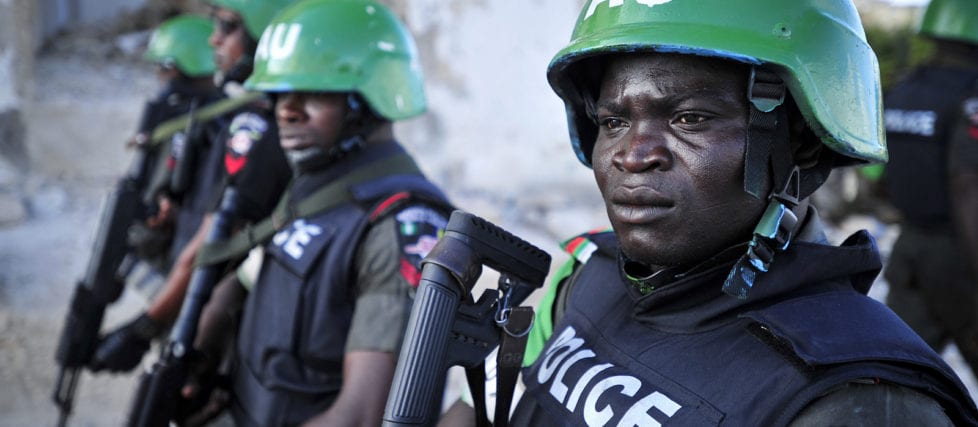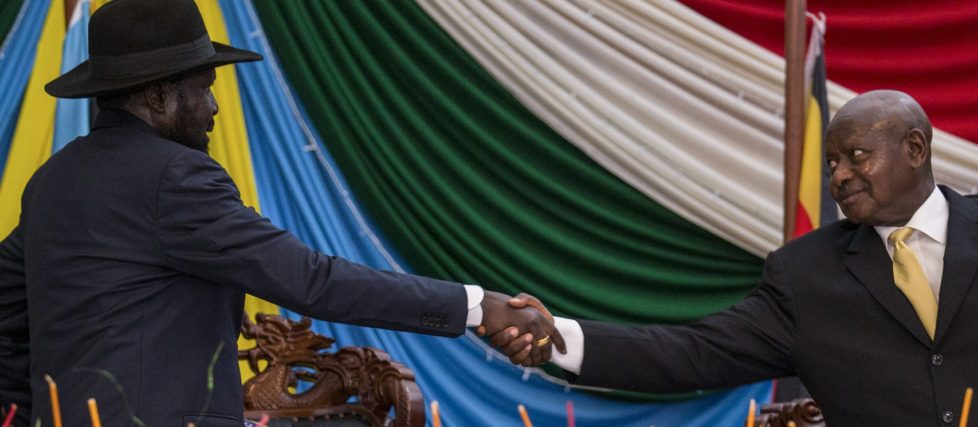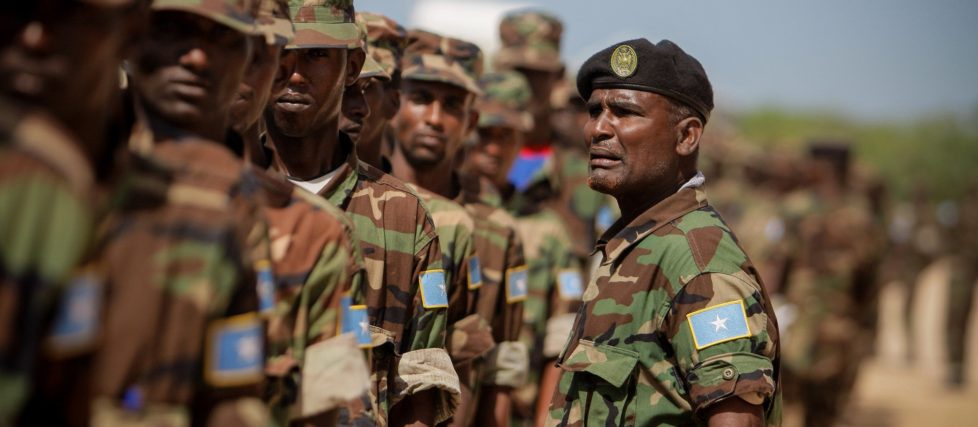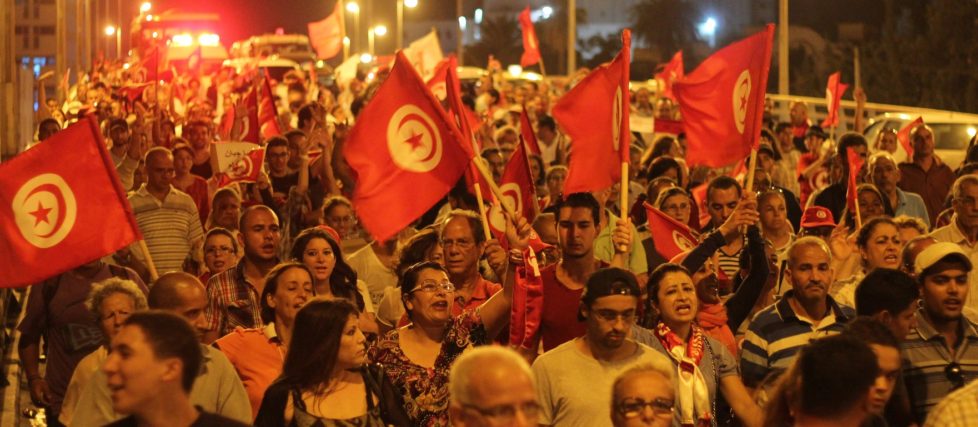
Africa’s security challenges vary greatly by – and often within – country. In an effort to advance understanding of the underlying drivers and possible responses to these threats, ACSS compiles and updates a short list of perceptive analyses of selected security contexts for readers’ reference. The views expressed are those of the authors and do not represent an endorsement by ACSS or the Department of Defense. Please click on a link below to learn more.
Algeria
Al Qaeda in the Islamic Maghreb
By William Thornberry and Jaclyn Levy. Center for Strategic and International Studies, September 2011. Instability in North Africa provides new opportunity for al Qaeda in the Islamic Maghreb to expand its influence and criminal operations, including in Algeria. As AQIM’s illegal activity in kidnapping and smuggling has expanded, it has become a self-sustaining organization and attractive to recruits seeking economic opportunity. Algerian counterterror efforts should be broadened to combat narcotrafficking and to constrict the flow of terrorist money and the group’s ability to acquire weapons and recruits. Download the Article: [PDF]Oil and the Eruption of the Algerian Civil War: A Context-sensitive Analysis of the Ambivalent Impact of Resource Abundance.
By Miriam Shabafrouz, German Institute of Global and Area Studies, 2010. Natural resource abundance has been consistently linked to authoritarianism, corruption, economic distortions and violent conflicts. The author explores these linkages in the context of the civil-war in Algeria in the 1990’s and concludes that while the problems of the resource curse exist in Algeria, other factors such as religion, demography and socioeconomic divisions played a more direct role in triggering and sustaining the conflict. While there has been a decline of violence since the beginning of the millennium, Miriam argues that the underlying problems of popular disengagement from politics, frustration with corruption, and an inclination to accept radical ideologies - key drivers of the civil war have still not been sufficiently addressed. Download the Paper: [PDF]Al-Qaeda in the Islamic Maghreb: Algerian Challenge or Global Threat?
By Jean-Pierre Filiu, Carnegie Endowment for International Peace, 2009. Threats posed by terrorist groups such as Al Qaeda in the Maghreb (AQIM) are creating security challenges not only to host nations but the global community. AQIM continues to exploit people’s disdain for Western policies in the region as a recruiting tool. However, in-fighting among its leadership and failure to consolidate a North African wide-organization due to resistance from the Libyan Al-Qaeda entity have been serious obstacles. The author argues that AQIM’s potency has been further weakened by intense pressure from the Algerian security forces as well as enhanced rapid reaction capacity in the region resulting from United States support to the Pan Sahel Initiative countries (Chad, Mali, Mauritania, Niger) now expanded to the Trans-Saharan Counter-Terrorism Partnership TSCTP (including Morocco, Tunisia and Algeria). Download the Paper: [PDF]Salafism and Radical Politics in Postconflict Algeria
By Amel Boubekeur, Carnegie Endowment for International Peace, 2008 Confronting indigenous Islamists movements has been a challenge not only for the West but for Arab governments. Strategies for the inclusion of moderates into the legal and political process while aggressively pursuing the radicals are gaining traction, though the political ramifications of this approach have yet to be seen. Part of the government strategy to counter radical groups (Da’wa Salafism, Salafiyya Harakiyya and Salafiyya Jihadiyya), include amnesty for those who abandon their radical views and a concerted effort of aggressively pursuing the rejecters. While only Da’wa Salafism has accepted the amnesty offer, the other two have seen their influence decline. Despite the success in containing these radical groups, the author argues that they still retain the capability to carry out terrorist attacks and thus represent a serious security threat. Download the Paper: [PDF]
Burundi
Closing Doors? The Narrowing of Democratic Space in Burundi
By Human Rights Watch, November 2010. Burundi’s 2010 elections failed to consolidate previous democratic gains. Rather, increasing repression, executions, and extended detention of critical journalists and activists by the country’s ruling party are signs of an emerging one-party state. To protect democratic space and expression in Burundi, the attorney general should be provided more independence to investigate and prosecute perpetrators of political violence and the UN-appointed independent expert for human rights should be permitted to conduct regular assessments and reports. Download the Article: [PDF]Security Sector Reform Monitor: Burundi
Security Sector Reform Monitor: Burundi. By The Centre for International Governance and Innovation, 2009. The Arusha Agreement that ended the civil war in Burundi called for balanced representation of Hutu and Tutsi in the security and justice institutions. Lack of professionalism in those sectors prompted security sector reforms that led to the creation of a new national police force (Burundi National Police, BNP). Provisions in the Arusha Agreement called for a systematic vetting of the new forces to weed out those accused of human rights. However, former guerillas and ex-soldiers have found their way into the BNP creating challenges of legitimacy, supervision, discipline and training. This is creating operational difficulties for the institution. In addressing these challenges, the author recommends increased funding, oversight over resources, and an end to arbitrary detention of citizens. Download the Article: [Part 1][Part 2]
Chad
Chad: Escaping from the Oil Trap
Chad: Escaping from the Oil Trap. By International Crisis Group, 2009. [PDF] This ICG report explores why the discovery of oil has led to growing authoritarianism in Chad instead of improving the lives of its citizens. The report looks at the backlash to the World Bank’s sanctions in response to the Chadian government’s backtracking on the agreed framework, which included the Committee of Control and Supervision of Oil Revenues (CCSRP in French). The report recommends both a domestic and international response to the oil problem in Chad. This includes transparency, strengthening of internal control mechanisms, providing technical support to civil society and pressure from France, the US and China to encourage national dialogue.Chad: Powder Keg in the East
Chad: Powder Keg in the East. By International Crisis Group, 2009. [PDF] This ICG reports discusses how the Chadian government has exploited ethnic rivalries in the eastern part of the country to its political advantage through continuous support of internal violence, thus worsening the humanitarian crisis. This strategy has led to civil disobedience, lack of trust of government and undermined national unity. The situation has compelled locals to seek protection from their clans. The report recommends a regional conference to address the issues in eastern Chad and to reinforce the presence of MINURCAT in the region in order to provide increased security.Towards Resolving Chad’s Interlocking Conflicts
Towards Resolving Chad’s Interlocking Conflicts. By Sarah Bessell and Kelly Campbell. USIP, 2008. [PDF] According to this USIP report, the difficulty in resolving the Chadian conflict is partly due to the fact that it has always been viewed through the lens of the situation in Darfur. This approach has contributed to difficulties in finding a negotiated settlement. The Sudanese government’s continuous support for Chadian renegade groups with no political agenda exacerbates the already tense relations between the two governments and has contributed to the deplorable humanitarian and security situation. In addressing these concerns, the authors recommend a multifaceted approach, which includes coordination of in-country security activities among the UN, EUFOR and MINUCART. A pledge by both governments to end hostilities and material support for rebel groups should also be enforced.Mission Incomplete: Why Civilians Remain at Risk in Eastern Chad
Mission Incomplete: Why Civilians Remain at Risk in Eastern Chad. By OXFAM International, 2009. [PDF] This report looks at the deteriorating humanitarian crisis in the eastern region of Chad, and the lack of a clear mandate for the various external security forces (UN, EUFOR and MINUCART). According to the report, this challenge has adversely affected the security of the internally displaced persons (IDP) and international aid workers in the camps. The report calls on the UN to give the security forces the mandate to enforce peace, as well as encourage the government to provide needed security for its citizens.
Côte d’Ivoire
Education and Conflict in Côte d’Ivoire
By Joseph Sany. U.S. Institute of Peace, April 2010. [PDF] The Ivorian education system has been both victim and agitator of conflict. Conflict has severely weakened it, leaving fewer productive outlets and opportunities for the country’s large youth population. However, years of undue political influence in the system promoted conflict-prone thinking. Unified and inclusive curricula that prioritize women’s education and the development of northern Ivorian schools would improve national educational capacity and reverse previously biased and polarizing programs.Identity Polarization and Conflict: State Building in Côte d’Ivoire and Ghana
By Ragnhild Nordås. Paper prepared for the conference Polarization and Conflict, June 2007. [PDF] North-south religious conflict is common in West Africa, but does not occur equally everywhere. Often it is political and based on identity concepts cultivated by elites seeking influence. Côte d’Ivoire’s divisive political rhetoric and winner-take-all politics, for instance, have intricately joined identity and politics and fueled conflict whereas Ghana’s policies promote inclusive nationalism and equal opportunity.From Miracle to Nightmare: An Institutional Analysis of Development Failures in Côte d’Ivoire
By Brian Klaas. Africa Today, Fall 2008. [PDF] Côte d’Ivoire’s democratic opening in 1990 lacked functioning accountability mechanisms, allowing a network of political, business, and military elites to exploit ethnic politics and perpetuate violence and instability for their own financial and electoral gains. To better link elite prosperity to peace and unity rather than violence and division, reforms that require financial disclosure of government officials, prohibit and prosecute ethnic militias, and expand eligibility for political participation are needed.Democracy and Civil War: Citizenship and Peacemaking in Côte d’Ivoire
By Abu Bakarr Bah. African Affairs, August 2010. [PDF] Côte d’Ivoire’s electoral obstacles frequently center on the idea of Ivorian citizenship, which has been repeatedly used in political conflict to conflate ethnicity, religion, ancestral roots, and politics with national citizenship and political legitimacy. During peacebuilding efforts in Côte d’Ivoire and elsewhere, such challenges are often overshadowed by an emphasis on security, aid, power sharing, and elections. However, overall progress has only limited effectiveness when the root problem of citizenship remains unaddressed.The Security Sector in Côte d'Ivoire: A Source of Conflict and a Key to Peace
By Arthur Boutellis. International Peace Institute, May 2011. [PDF] Côte d'Ivoire's security forces tripled in size in the last ten years, an increase which has been accompanied by the growing political influence of uniformed men. Security sector reform will therefore be priority in stabilizing Côte d'Ivoire's democratic transition. However, efforts must go beyond standard disarmament or reunification objectives and focus on developing, through broad-based consultation, a new security architecture that changes the relationship among politicians, security institutions, and the population. The sustainability and success of any program will be incentivizing willing support from security personnel, many of whom are convinced that they stand to lose from any changes.
Other Reads
Democratic Republic of the Congo
Post-Conflict Reconstruction in the Democratic Republic of the Congo
By Gwinyayi A. Dzinesa and Joyce Laker. Centre for Conflict Resolution, April 2010.
The DRC is governed by multiple, weak, and parallel structures that lack a clear vision of peacebuilding. Additionally, no institution is equipped or mandated to deal effectively with potential election-related instability, raising the prospects that upcoming polls could plunge the country into political uncertainty. Within an overall peacebuilding program that prioritizes societal transformation and positive relations between the state and its citizens, the DRC government must build an effective, independent, and professional electoral commission that can promote democratic, inclusive, and competent political contestation.
Download the Brief: [PDF]Re-integrating Ex-combatants in the Great Lakes Region
By Nelson Alusala. Institute for Security Studies, 2011. The unsuccessful reintegration of thousands of ex-combatants in the Great Lakes region due to a failure to imbue social belonging and a long-term stake in economic development exposes vulnerable areas to the threat of remobilization. Sustainable Disarmament, Demobilization and Reintegration (DDR) programs, which often wane before the final reintegration phase, must be sensitive to the social, cultural, and economic realities near demobilization sites that are often ignored in “one-size-fits-all” DDR templates. Download the Article: [PDF]Supporting SSR in the DRC: Between A Rock and A Hardplace
By Henri Boshoff et al. Clingendael Institute, April 2010. Government preoccupation with regime security and continuing dysfunction within the security and justice apparatuses has delayed the implementation and efficacy of security sector reform (SSR). From province to province, SSR is implemented with different partners who employ different techniques, equipment, and strategies, creating a haphazard system. Meanwhile, the DRC government continues to lose the stability and security benefits of an accountable, rights-respecting security sector. Current SSR proposals in the Congolese parliament should be utilized as a starting framework to build a more systematic and cohesive SSR program. Download the Paper: [PDF]Increasing Security in DR Congo: Gender-Responsive Strategies for Combating Sexual Violence
By Rosan Smits and Serena Cruz. Clingendael Conflict Research Unit, June 2011. Despite significant efforts to combat sexual violence in the DRC, prevalence rates remain among the highest in the world. This is due not only to capacity constraints but also because programs primarily target conflict zones and fail to address violence-prone social constructions common around the country. Treatment must move beyond the “weapon of war” narrative to incentivize male and female empowerment strategies nationwide and strengthen the link between judicial action and gender-related social services. While rape is not strictly a security concern, SSR programs must also address that sexual violence is commonly committed by those in uniform, discrediting security forces and undermining stability. Download the Brief: [PDF]Arms Transfers to the DRC: Assessing the System of Arms Transfers Notifications 2008 – 2010
By Mark Bromley and Paul Holtom. Swedish International Peace Research Institute, October 2010. Ensuring that the UN system of arms transfer notifications for the Democratic Republic of the Congo (DRC) works as intended is critical to stabilizing the war-torn country. However, notification requirements are unclear and weaker than those used in other conflict zones. The UN Sanctions Committee should clarify these rules and the DRC government and supplier states should fully conform to reporting requirements so as to establish an efficient and lawful means for sales and transfers. Download the Paper: [PDF]Conflict Minerals in the Democratic Republic of the Congo: Aligning Trade and Security Interventions
By Ruben de Koning. Stockholm International Peace Research Institute, June 2011.Unless authorities re-establish administrative control over mines, competition between armed groups and wayward military units over access to lucrative minerals will continue to destabilize the DRC. Fortunately, new schemes to formalize, regulate, and trace mineral products are improving the prospects to do so. This will be contingent, however, on other governance enhancements, including security sector reform.
Download the Paper: [PDF]
Other Reads
Egypt
From Violence to Moderation: Al-Jama‘a al-Islamiya and al-Jihad
By Amr Hamzawy and Sarah Grebowski. Carnegie Endowment for International Peace, April 2010. Recognizing that violence has failed to achieve political change has led al-Jama’a al-Islamiya and segments of al-Jihadi to renounce violence and redefine their attitudes toward the state and society, shifting the Islamist spectrum toward moderation. However, the continued imprisonment of prominent Islamists and the government’s restrictions on others’ participation in political and social life remain obstacles to an emerging moderate Islamist agenda. Download the Paper: [PDF]Egypt Security Sector Reforms
By Mohamed Kadry Said and Noha Bakr. Arab Reform Initiative, February 2011. Security sector reform is among the important priorities facing Egypt’s political transformation. Restructuring within Egypt’s military, police, Central Security Forces, and the General Intelligence Service is needed to maintain the security sector’s popular support and credibility. Egypt’s emerging democratic state will require security forces that are accountable to elected civilian authorities, respectful of citizens, and adaptive and collaborative so as to confront novel threats.Download the Article:Download the Article: [PDF]Democratization in Egypt: The Potential Role of Decentralization
By Jamie Boex. Urban Institute Center on International Development and Governance, February 2011. Decentralization in Egypt could provide a substantial opportunity for democratization and improved responsiveness in Egypt’s public sector. While initiated under the Mubarak regime, reforming the hierarchical and bureaucratic nature of local administration has the potential to result in a more efficient allocation of resources and should remain a priority as a civilian government structure is reconstituted. Download the Brief: [PDF]Egypt's Military Power: Dynamics, Challenges, Prospects
By Jeffrey White. Washington Institute for Near East Policy, February 2011. Having assumed control of government, Egypt’s Supreme Military Council must now work to maintain discipline, restore social and economic order, and guide a smooth transition to a successor democratic government. How precisely the council of 20 military officers operates internally, makes decisions, or manages internal competition for power and influence remains unclear and warrants continued engagement and watchfulness by civil society actors and international partners. Download the Article: [HTML]
Equatorial Guinea
The Political Economy of Oil in Equatorial Guinea
By Brendan McSherry. African Studies Quarterly, Spring 2006. Despite having the means to easily fund infrastructure, job creation, and service delivery, resource-rich countries such as Equatorial Guinea are often some of the most corrupt, unequal, and underdeveloped. However, Equatorial Guinea’s decision to forge a close political relationship with the United States has led to an element of economic dependency. Though not yet substantially used, this economic leverage provides enhanced opportunities to pursue a dialogue for reform. Download the Article: [PDF]
Ethiopia
Ethiopia: A political view from below
By J Siegfried Pausewang. South Africa Journal of International Affairs, April 2009. The EPRDF has increasingly relied on land practices to maintain its authority in the Ethiopian countryside, home to 80 percent of the population. Siegfried discusses how local government leaders are abusing Article 40 in the constitution that gives the state ultimate power on land issues. They punish peasants not loyal to the regime by denying or reallocating their plots to party loyalists. Peasants have also been forced into buying fertilizer from state-run firms against their will. Such actions often result in default, arrest and sometimes detention. The author argues similar treatment created serious security problems for the previous government and unless they are managed carefully portends great danger ahead. Download the Article: [HTML]Ambiguous Elections: The Influence of Non-Electoral Politics in Ethiopian Democratisation
By Kjetil, Tronvoll, Journal of Modern African Studies, 2009. The political trajectory in Ethiopia has undertaken a markedly negative political trajectory in recent years. This is evidenced by a pattern of non-electoral events such as political intimidation, recognition of illegitimate results, and limitations on political participation. The use of voter-registration as the basis for land distribution further exacerbates this disenfranchisement. The author argues that these measures and not just the frequency of elections should be the barometer for electoral maturity. The elections in 2005, for example, have been followed by increased political arrests, human rights abuses, and nepotism. In addition to undermining Ethiopia’s process of democratization, these actions create potent sources of instability in the country. Download the Article: [HTML]Ethiopia: Ethnic Federalism and its Discontents
By International Crisis Group, 2009. This ICG report examines how the creation of ethno-federalism has contributed to the deterioration of democratic governance, increased authoritarianism, and the marginalization of the opposition through political arrests and a media clampdown. The report warns the international community of looming danger as previous electoral grievances and claims of vote-rigging have not been resolved. This has led to a rapid deterioration of state-society relations. The continuous steering of development projects to areas that supported the government in previous elections is becoming a worrying concern. This has forced many international donors including the World Bank to deal directly with local government. This in turn, has generated strong criticism and heightened regulation by the government. Download the Article: [PDF]
Guinea
Developing National Security Strategy/ Security Sector Reform in Guinea
After several decades of authoritarian rule, the Republic of Guinea has been undergoing an intense period of political openness and economic and social transformation since Professor Alpha Condé’s election to president. Central to this process of political recomposition are the struggles aimed at combating and reversing the country’s past and the construction of a democratic future. Against this backdrop and with the approval of the government, the Africa Center for Strategic Studies’ (ACSS) Guinea community chapter held a workshop at the Riviera Hotel in Conakry, Guinea, on October 20-21, 2011. The Geneva Centre for Democratic Control of Armed Forces (DCAF), the African Institute for Security Sector Transformation (AISST), and ACSS collaborated to produce the event. Attendees discussed the development of national security strategy and security sector reform, two critical issues necessary to ensure that Guinea’s political and economic affairs are conducted in ways compatible with the interests and wishes of the people.Forty-two participants, including Guinean civilian and military officials and civil society organizations, guest speakers and experts from Senegal, Mali, Burkina Faso, Switzerland, and the United States attended the workshop. The Secretary-General of the Ministry of Interior and Security, Dr. Mohamed Beau Keita, represented the government of Guinea. Other key participants included Prof. Mathurin Houngnikpo, ACSS; Dr. Jean-Jacques Gacond, DCAF; Gen. Lamine Cissé, UN Coordinator of Security Sector Reform in Guinea; Gen. Camara Kaba, ACSS Guinea Chapter President; Col. Birame Diop, AISST; and Mrs. Patricia Newton Moller, U.S. Ambassador to Guinea.
Participants agreed that the challenge for Guinea’s national security strategy is to develop a process for allocating roles, responsibilities, and resources among the different security organizations that protect the state and citizens. They acknowledged that this process might take place in an environment where the state no longer has a monopoly on the means of violence, and concurred that a transformation of Guinea’s security sector is what is needed rather than the ongoing process of reform. However, they concluded, the country would not achieve this in isolation; it must be embedded in a broader process of political reform and improved public sector governance.
Guinea at a Crossroads: Opportunities for a More Robust Civil Society
By Kalie Sillah and Charles Kojo VanDyck, West Africa Civil Society, 2009. While the quest for self-rule, democracy and good governance has been the fundamental motivating factor behind the emergence and proliferation of civil society institutions in Guinea, structural difficulties have hampered its progress. Sillah and VanDyck explore civil-political patronage and how it has affected the development of a viable civil society in Guinea. Historical analysis for these institutional weaknesses is traced post-independence from President Toure to the present. In spite of the challenges faced, the authors are of the belief that a viable civil society is a realistic prospect in the evolving Guinean political landscape. Download the Article: [PDF]Guinea: Rein in Soldiers
Guinea: Rein in Soldiers. By Human Rights Watch, 2009. This report documents episodes of the military systematically using intimidation, rape and violence against the civilian population to advance the personal and financial interests of members of the military prior to the September 2009 crackdown against pro-democracy demonstrators. This includes pressure on the judiciary to rule in favor of individual soldiers and the military’s takeover of the investigative work of the police and gendarmerie despite the military’s lack of expertise and respect for the rule of law. The report concludes with series of eyewitness accounts of abuses and calls on the military junta to condemn these actions while reinstating the capacity for independent criminal investigations. [HTML]
Kenya
Kenya: Assessing Risks to Stability
By Joel D. Barkan, Center for Strategic and International Security, June 2011.
Stability in Kenya leading up to elections in 2012 will in part be determined by the interaction between a young, urban, and increasingly assertive middle class that supports recent reforms and Kenya’s traditional powerbrokers who seek to limit changes to the current political system. Growing economic inequality, the continued utilization of ethnicity to mobilize votes, and ongoing investigations of top politicians are also complicating an already charged and volatile political atmosphere. The steady implementation of recent constitutional reforms and other changes to the judicial, and executive branches of government will be critical to continuing development and stability. [PDF]The Kenya National Dialogue and Reconciliation (KNDR) Monitoring Project
By South Consulting, June 2011. The Kenya National Accord was signed in 2008 to establish a power-sharing government in the wake of widespread violence following highly disputed national elections. However, limited application of the Accord has lowered Kenyans’ perceptions of their government. In fact, the current administration has enacted just three of the sixteen reforms under the agreement. It should move more quickly to implement the remaining scheduled reforms before upcoming elections while also improving and expanding civic education to increase knowledge of Kenyans’ constitutional rights. [PDF]Internal Displacement and Land Peacebuilding in Kenya
By Jaqueline M. Klopp, Patrick Githinji, and Keffa Karuoya. United States Institute of Peace, September 2010.
Kenya’s failure to effectively resettle internally displaced persons (IDPs) years after post-election violence in 2008 indicates a concurrent failure of peacebuilding and worsening ethnic tensions. Remedial initiatives operate in distinct, parallel programs and often reach only urban- and youth-centric portions of the affected population. A systematic, cohesive approach to economic empowerment among IDPs combined with community education initiatives would more effectively solve security issues while promoting growth. [PDF]Democratization, Sequencing, and State Failure in Africa: Lessons from Kenya
Democratization, Sequencing, and State Failure in Africa: Lessons from Kenya. By Daniel Branch and Nic Cheeseman. African Affairs, Vol. 108, No. 430. 2008. Sound analysis places the roots of the 2007 post-election crisis in Kenya within three historical trends: elite fragmentation, political liberalization, and state informalization. The article discusses the sequencing debate within the literature on democratization and argues that the processes of democratization and reform can be undertaken simultaneously but this twin approach requires institutional reforms not yet undertaken by a large number of African polities like Kenya. [HTML]
Other Reads
Liberia
A Population-Based Survey on Attitudes about Security, Dispute Resolution, and Post-Conflict Reconstruction in Liberia
By Patrick Vinck, Phuong Pham, and Tino Kreutzer. Human Rights Center, UC Berkeley, June 2011.Five years after emerging from decades of civil war, most Liberians perceive many advances in their country, according to surveys. Strong majorities feel safer, few report any ill will to other ethnic groups, and most are eager to participate in national elections. However, growing rural-urban cleavages indicate a need for expanded educational and housing initiatives. Land disputes have also become a driver of tensions and could be better managed through improvements to the formal court system and educational campaigns as to how to access legal services.
Download the Article: [PDF]
Liberia: The 2011 Elections and Building Peace in the Fragile State
By Lansana Gberie. Institute for Security Studies, October 2010.
Liberia has achieved remarkable gains since the end of civil conflict in 2003, but a poorly managed reconciliation process and continuing weaknesses in the legislature and judiciary pose serious challenges. Anticipated reductions in extensive international support could trigger a destabilizing spiral. The African Union and Economic Community of West African States should delay any drawdown and renew their commitment to developing the judicial, political, and security sectors until they are more institutionally sustainable.
Download the Article: [PDF]
Would You Fight Again? Understanding Liberian Ex-Combatant Reintegration
By Richard Hill, Gwendolyn Taylor, Jonathan Temin. United States Institute of Peace, 2008. The authors discuss the findings of a study on how ex-combatants perceive the effectiveness of the DDRR program and their willingness to re-engage in combat. The report discourages an over-emphasis on tallying of participants in the program as the key indicator of success. Rather greater focus should be placed on the rate ex-combatants are accepted back into the community and the opportunities that exist for them after training, since this is cited as a major cause of their likely return to combat. The authors conclude by emphasizing job creation rather than skills training, tolerance training as part of conflict-resolution efforts, and a further look of why women are more likely to return to combat. Download the Article: [PDF]Oversight of the Liberian National Police
By David C. Gompert, Robert C. Davis, Brooke Stearns Lawson. Rand, 2009. This report reviews the challenges faced by the Liberia National Police (LNP) both logistically and structurally in their effort to provide security in post-conflict Liberia. The study compares these emerging structures with three other established police services on the continent namely South Africa, Nigeria and Ghana and draws on their best practices for recommendations. These include the creation of a mixed oversight (government-independent) body of the police service to enhance professionalism. Download the Article: [PDF]LIBERIA: Uneven Progress in Security Sector Reform
By International Crisis Group, 2009. This ICG reports looks at the successes and challenges facing SSR in Liberia. The report discuses US private contractors’ role in the training of the military and the backlash it has faced. Meanwhile, the DDRR process employed in Liberia has been touted as one of the best in the world, notable for a meticulous vetting process that excluded ex-combatant from joining the new military. The report highlights major threats to the SSR program which includes unemployment for ex-combatants (due to the exclusion under DDRR), a growing number of land disputes, lack of coordination of the security agencies, and the frequent cancellation of human rights and rule of law training due to limited funding. Download the Article: [PDF]
Libya
After Gaddafi
By George Joffé. European Union Institute for Security Studies, April 2011. Tribal and religious groups as well as loose associations of political insiders, diplomats, exiles, and prominent defectors have been asserting increasing influence in Libya as the tightly controlled regime of Muammar Gaddafi has seen its power sharply ebb. The growing independence of these groups and civil society entities will play a primary role in shaping whether and how a new pluralistic government replaces the regime or battle lines harden into a protracted civil conflict. Download the Article: [PDF]Dangerous Fallout from Libya's Implosion
By Christopher Boucek. Carnegie Endowment for International Peace, March 2011. Numerous Islamist militants, some battle-hardened in Iraq or Afghanistan, have been released from detention amid the chaotic fighting in Libya. Revitalizing jihadist rehabilitation programs and ensuring political space for peaceful Islamists should be priorities for the political structure that emerges from the fighting in Libya so as to limit the threat posed by the many dangerous militants now operating freely in the country. Download the Article: [HTML]
Other Reads
Morocco
Reshaping Civil Society in Morocco: Boundary Setting, Integration and Consolidation
By Dimittrovova Bohdana, Center for European Policy Studies, 2009 To much acclaim, Morocco enshrined the rights of civil society organizations (CSO) in the 1992 Constitution, seen as the basis of modernization and democracy. Yet restrictions on public discourse on sensitive topics such as Western Sahara, Islam and the authority of the king hamper a healthy debate. State funding for governmental NGO’s (GONGO’s) is sowing distrust within the society towards all CSO’s. The author questions whether the right to accept foreign funds enshrined in the 2002 legislation really represents the change promised by the monarchy. The author acknowledges that great strides have been made with regards to human rights especially women rights (moudawana), despite its slow implementation. She further argues that advancing women’s right should be done in the context of religion to avoid losing the majority of women who are religious. Nonetheless, the author calls on the EU and the US to be more consistent in their support for Morocco’s human rights agenda. Download the Article: [PDF]Parliamentary Elections and Authoritarian Rule in Morocco
By Sater James, The Middle East Journal, 2009 This article investigates the relationship between electoral politics and the establishment of democratic values as the Moroccan regime seeks new means to sustain and legitimize its basis of power. The author outlines the electoral strategies used by the monarchy to maintain control of the process. This includes ensuring that no hegemonic bloc is created, limiting nationalists’ electoral influence, creating political parties sanctioned by the monarchy and orchestrating the vote count. The author argues that such actions have increased voter resentment and impacted turnout which has dropped to 15% in 2002 from 37% in 2007.The author cautions that such practices may ultimately undermine the reforms and democracy promised by the king. Download the Article: [HTML]
Nigeria
Preliminary Statement Issued by the National Human Rights Commission and the CLEEN Foundation on the Conduct of Security Officials in the National Assembly Election
By The CLEEN Foundation and the Nigerian National Human Rights Commission, April 2011.
Observers of Nigeria’s parliamentary elections, the first of three national polls in the space of 2 weeks, found that security officers performed well and that reforms to polling procedures from previous election cycles have notably improved security. Nevertheless, isolated bombings, assassinations, and other acts of violence in the lead up to the elections underscore the need for robust and responsible police and security presence at voting and collation centers at the forthcoming gubernatorial elections to contribute to a credible process.
Download the Article: [HTML]Key Issues in Nigeria’s 2011 Elections
By Sola Tayo. Chatham House, 2011.
Nigeria’s 2011 national elections may mark a seminal point in the country’s continuing democratic progress, resulting in a more positive and balanced playing field among the major political parties. The legitimacy of the polls, in fact, will assist winners in confronting many old and new challenges to stability, including corruption, sub-optimal development, increasingly disillusioned youth, and the country’s multiple security hot spots.
Download the Article: [PDF]Jonah Jang and the Jasawa: Ethno-Religious Conflict in Jos, Nigeria
By Philip Ostien. Muslim-Christian Relations in Africa, 2009. Ethnicity and religion have often been identified as the flashpoints that spark Nigeria's recurring communal conflicts, such as those in Jos. More commonly, politics is a primary driver and patronage the key to recruitment among the groups involved in the fighting. Clashes arise following disputes over districting and elections in Local Government Areas, the leadership of which decide land ownership, control social services and dispense "certificates of indigeneship" that define the application of many constitutional rights. Download the Article: [PDF]Blood Oil in the Niger Delta
By Judith Burdin Asuni. United States Institute of Peace, August 2009. Crude oil stolen between 2003 and 2008 in Nigeria amounted to approximately $100 billion – a practice that continues to threaten security in the Gulf of Guinea and the stability of world energy markets. Environmental, governance, law enforcement, politics, youth unemployment and a host of other obstacles converge and complicate the challenge of "blood oil." This reality demands multi-lateral approaches with targeted and sustained support to Nigerian efforts by the U.S. and international community. Download the Article: [PDF]
Other Reads
North Africa
Islamist Mass Movements, External Actors and Political Change in the Arab World
Jointly Produced by Centro Studi di Politica Internazionale, the International Institute for Democracy and Electoral Assistance, and Istituto Affari Internazionali, 2010.Islamist movements throughout the Arab world have mobilized large constituencies by developing effective political strategies, elaborate action platforms with popular appeal, and efficient political and social organizations. Much like their secular counterparts in this shifting political landscape, however, Islamist parties often adapt their aspirations and attitudes in response to intra-party deliberations, popular currents, and relations with international actors and partners.
Download the Article: [PDF]
Arab Human Development Report: Challenges to Human Security in the Arab World
By UN Development Program, 2009.Stability in the Arab region has been impeded by governments’ persistent focus on state-centric concepts of security. Infrastructure development, good governance, poverty alleviation, and other crosscutting human development issues are equally if not more important to state security and their absence pose a threat to the Arab region.
Download the Article: [PDF]
Arab Social Media Report
By Fadi Salem and Racha Mourtada. Dubai School of Government, January 2011.Online social networking is changing entrepreneurship, civic participation, political activism, independent media, and more in the Arab world, particularly among the 21 million people on Facebook across 22 countries. Even where internet penetration is low or access is restricted, eager users are finding creative ways to bypass filters or use mobile devices to enable access to social media.
Download the Article: [HTML]
Protest Movements and Political Change in the Arab World
By Marina Ottaway and Amr Hamzaway. Carnegie Endowment for International Peace, January 2011.Levels of discontent and unrest have been growing for several years in North Africa and have coalesced into direct challenges to incumbent authoritarian regimes. Their success will be contingent on the ability of dispersed opposition groups to coordinate their efforts and link socioeconomic and political grievances as well as how incumbents choose to respond.
Download the Article: [PDF]
The North Africa Military Balance: Force Developments & Regional Challenges
By Anthony Cordesman and Aram Nerguizian. Center for Strategic and International Studies, December 2010.Major arms acquisitions by North African governments in recent years signify important military modernization efforts. However, sharp population growth, lags in development and job creation, legitimacy deficits, and unresolved internal security threats present budgetary tradeoffs and policy priority dilemmas for governments attempting to reshape their armed forces.
Download the Article: [PDF]
Sahel
Understanding Natural Resource Conflict Dynamics: The Case of the Tuareg in North Africa and the Sahel
By Muna A. Abdalla. Institute for Security Studies, August 2009.
Migration, extractive industry investments, and disputes over land tenure have for decades complicated dynamics within Tuareg communities and their relations with governments in the Sahel. As this region undergoes immense changes and many Tuaregs once again move across borders, previous conflicts may reemerge. However, new initiatives that integrate Tuareg concerns over land and livelihood opportunities through inclusive political engagement can overcome these recurring regional conflict drivers.
Download the Paper: [PDF]Sifting Through the Layers of Insecurity in the Sahel: The Case of Mauritania
By Cédric Jourde. Africa Center for Strategic Studies, September 2011.
Increasing narcotraffic and a more active AQIM are elevating concerns over instability in the Sahel. However, the region’s threats are more complex than what is observable on the surface. Rather, security concerns are typically characterized by multiple, competing, and fluctuating interests at the local, national, and regional levels. Effectively responding to these threats requires in-depth understanding of the multiple contextual layers in which illicit actors operate.
Download the Brief in: [ENGLISH][FRANÇAIS][PORTUGUESE]
West Africa’s Growing Terrorist Threat: Confronting AQIM’s Sahelian Strategy
By Modibo Goïta, Africa Center for Strategic Studies, 2011Al Qaeda in the Islamic Maghreb (AQIM) has undertaken increasingly frequent and effective attacks in the past year, posing a dangerous and growing threat in Africa's Sahel region. Reversing this trend presents a particularly complex challenge as AQIM has simultaneously strengthened ties to local communities and regional criminal networks. Efforts to counter AQIM will require collaborative region-wide strategies that feature complementary security and development initiatives.
Click here for PDFs in: [ENGLISH][FRANÇAIS][PORTUGUESE]Vulnerabilities and factors of insecurity in the Sahel
By Mehdi Taje. Organization for Economic Cooperation and Development, August 2010.
Foreign groups are increasingly active in the vital but progressively more unstable Sahel region. Islamic terrorism is a threat to the region. However, weak governance and proliferating armed and criminal groups that profit from a lack of state presence also drive insecurity. A lack of regional coordination and trust must be overcome to develop a common perception and concerted response to such vulnerabilities.
Download the Article: [PDF]
Sierra Leone
Security System Reform in Sierra Leone and the Role of the Office of National Security
By Brigadier General (ret.) Kellie Hassan Conteh. The Global Facilitation Network for Security Sector Reform, 2008.
Sierra Leone’s security sector has been significantly transformed since the country emerged from civil war. Intelligence offices were reformed, a National Security Council created, inter-agency coordination improved, and the security sector is generally less politicized. This transformation process helped lay the groundwork for Sierra Leone’s post-conflict return to free, fair, and safe democratic elections. [PDF]Security Sector Reform under International Tutelage in Sierra Leone
By Osman Gbla. International Peacekeeping, 2009. Author examines the effectiveness and challenges facing security sector reform (SSR) efforts being implemented in Sierra Leone. Whilst the author praises the institutional capacity restructuring in retraining and re-integrating of ex-combatants into the security forces, he highlights the lack of oversight and non-involvement of the judiciary, parliament and civil society as a major concern. He concludes by questioning the implementation capacity as well as the over-reliance on foreign donors to sustain and fund the program. Download the Article: [HTML]Politically Enfranchising the Non-political: Safeguarding Peace through Civic Education and Inclusion?
By Nathalie Wlodarczyk. Civil Wars, 2009. Author looks at some of the challenges posed to the DDR process by the Civil Defense Forces (CDF) in Sierra Leone. She looks at the classification system used in accepting applicants into the reintegration program and the problems it is creating, which includes the danger of the CDF reverting to its wartime activities. She concludes with an analysis on the dangers of over-emphasizing economic integration of ex-combatants to the detriment of political re-integration. Download the Article: [HTML]Cosmopolitan peacekeeping and peace building in Sierra Leone: what can Africa contribute?
By David Curran and Tom Woodhouse. International Affairs, 2008. The authors discuss the challenges of peace building in post-conflict countries. They argue for the urban use of the military in peace enforcement if civilian killings occurs citing the UK role in Sierra Leone. The article discusses the effectiveness of regional organizations such as ECOWAS in such cases versus the UN due to the former’s quicker response and robust nature. The UN Peacebuilding Commission (PBC) and Peacebuilding Fund (PBF) roles are also discussed including their lack of mandate and the constraints this has on their effectiveness. Download the Article: [PDF]Security System Reform in Sierra Leone and the Role of the Office of National Security
By Conteh, Brigadier General Kellie Hassan. International Alert, 2008. Author gives a brief history of security system reforms implemented following the end of Sierra Leone's civil war. Particular focus is given to intelligence reform and the creation of a National Security Council and several other mechanisms meant to facilitate coordination and depoliticize the roles of security agencies. The author contends that these reforms were crucial to successful and non-violent national elections in 2007 in which the various security sector bodies maintained and ensured safety while remaining politically impartial. Download the Article: [PDF]
Somalia
Somalia Dilemmas: Changing Security Dynamics, but Limited Policy Choices
By Solomon A. Dersso. ISS paper, October 2010. Somalia’s transitional government has yet to extinguish the security threat of Al Shabaab, who has effectively tapped the Somali diaspora network for support and radicalized segments of some regional Somali communities. Meanwhile, displacement and famine in Al Shabaab’s extensive areas of control are worsening due to its targeting of aid organization and indiscriminate tactics. Somalia’s transitional government must articulate a clearer strategy to reconcile local Somali communities and engage the Somalia diaspora, possibly focused on alleviating humanitarian suffering and civilian vulnerability. Download the Article: [PDF]Arms Flows and the Conflict in Somalia
By Pieter D. Wezeman. SIPRI Background Paper, October 2010. International responses to the protracted instability in Somalia have included both general restrictions on arms supplies and arming specific actors. However, such efforts have generated significant human rights and regional instability risks. Countries seeking to support stabilization efforts should consider channels that are more closely monitored such as through the African Union or directly to its Somalia peacekeeping mission instead of to troop-contributing countries or the Somalia transitional government. Download the Article: [PDF]Fractionalized, Armed and Lethal: Why Somalia Matters
By Mwangi S. Kimenyi. Brookings, February 2010. Numerous influential armed factions benefit from Somalia’s continued statelessness and actively undermine efforts to develop a centralized authority, whether with profits derived from increasing smuggling and piracy or assistance provided by some foreign governments. As a result, current statebuilding or development interventions often produce only fleeting progress. The African Union, regional economic communities, and international partners must complement current programs with efforts to sever anti-government factions from their sources of support. Download the Article: [HTML]Community-Led Stabilization in Somalia
By Siris Hartkorn. Forced Migration Review, 2011. Access by international actors to provide humanitarian assistance in Somalia is complicated by the presence of numerous Non-State Armed Groups (NSAGs). While many are dangerous and predatory, some NSAGs are viewed as legitimate among the local population and community. Although controversial, engaging with comparatively responsible and legitimate NSAGs through community safety projects to ensure civilian security may be necessary and productive in cases like Somalia, where central state authority is severely limited. Download the Article: [PDF]Somalia: Understanding Al-Shabaab
Somalia: Understanding Al-Shabaab. By Paula Cristina Roque. Institute for Security Studies. June 3, 2009.
Somalia's al-Shabaab extreme Islamist group is well organized, financed, and armed. However, it is no monolithic group and features many internal variations in leadership, tactics, and ideology. Its relative strength is attributable more to the weakness of alternative sources of authority in a chaotic failed state.
Download the Article: [PDF]Somalia's Endless Transition: Breaking the Deadlock
By Andre Le Sage. Institute for National Strategic Studies, 2010.
Before Somalia's Transitional Federal Government (TFG) can confront al-Shabaab and the country’s other powerful militias it must first begin building credibility with key constituents. Somalia's neighbors and the international community should coordinate their efforts to pressure and empower the TFG to conduct outreach to local and sub-national moderate groups and target spoilers with sanctions.
Download the Article: [PDF]Hostages to Peace: Threats to Human Rights and Democracy in Somaliland
Human Rights Watch. July 2009. A well researched report on the political and human rights environment in Somaliland. While offering Somaliland due praise for political achievements amidst challenging circumstances, the report details the host of democratic shortcomings facing the country as well as recommendations for the way forward. Download the Article: [PDF]Violent Islamic Extremism: Al-Shabaab Recruitment in America
By Ken Menkhaus. Hearing before the Committee on Homeland Security and Governmental Affairs; United States Senate. March 11, 2009. A comprehensive look at the factors that have attracted some Somali-Americans to join Al-Shabaab. Provides insightful analysis on the complex web of events, groups, and perceptions that have shaped events and beliefs in Somalia and among the diaspora. The author maps Somali reactions to the ICU, TFG, al-Shabaab, Ethiopia's invasion, and U.S. involvement. The testimony concludes with a discussion on the Somali diaspora in America and thoughts for U.S. law enforcement to consider when dealing with the Somali-American community. Download the Article: [PDF]
Other Reads
Sudan
Security Sector Reform Monitor: Southern Sudan
By Mark Sedra. Center for International Governance Innovation, January 2011. Numerous objections to border demarcations, rising threats to the 1.3 million southern Sudanese living in northern Sudan, and the dissolution of joint-integrated military units pose significant conflict flashpoints between north and south Sudan. Managing such triggers is further complicated by rising tensions within South Sudan’s dominant ruling political party, which has sought to closely control and direct sub-national elections. Download the Article: [PDF]Waging Peace in Independent Southern Sudan: the Way Forward
By Major General Moses Bisong Obi. Chatham House, March 2011. Revenue management, citizenship, and other unresolved matters continue to complicate the stable creation of an independent government of South Sudan following the referendum for secession. Safety and security are top concerns of increasingly wary southern communities, and thus the emerging state should prioritize the professionalization of security and justice institutions to earn the trust of its citizens. The path to stability will also require steady and demonstrable progress towards a system of democratic governance. Download the Details: [HTML]Improving Natural Resource Management in Sudan
By Paul J. Sullivan and Natalie Nasrallah. United States Institute of Peace, 2010. Petroleum is the biggest contributor of government revenues in both north and south Sudan. Additionally, access to adequate land and water are critical to many local communities and represent potential flash points. Policies regarding revenue-sharing, infrastructure finance and development, land ownership and water delivery should be clarified to avoid competition and disputes. [PDF]Security Sector Reform Monitor: Southern Sudan
By Mark Sedra and Samson Wassara. Centre for International Governance Innovation, 2010. Coercive disarmament practices and law enforcement policies in South Sudan have inadequately addressed community-level security dynamics. As a result, communities in the south increasingly rely on local self-defense arrangements and perceive the strengthening of national governance institutions as a threat. To alleviate such suspicions and build confidence in South Sudan’s emerging government, disarmament programs and security sector reform policies should be adjusted to expand the focus on sub-national institutions and civil society groups in implementation. Download the Article: [PDF]Renewed Conflict in Sudan
By Katherine Almquist, Council on Foreign Relations, 2010. A key challenge facing the 2005 Comprehensive Peace Agreement that ended the civil war in Sudan is whether the January 2011 referendum in which the South and the oil-rich region of Abeyi can vote to secede from the North is honored. Other triggers for renewed conflict between the north and south include political manipulation of the forthcoming general elections by the ruling party, failure to complete border demarcation prior to the referendum, and disagreement over-post referendum oil revenue distribution. The author calls on all stakeholders to enforce the CPA but singles out the United States as pivotal. To this end, she urges the United States and the international community to unequivocally back southern self-determination through robust diplomatic engagement so that neither party has incentive to renege on its commitments to the CPA. The author also recommends that the United States not endorse an election result that falls short of the minimal standards of credibility, which should be clearly defined in advance. Finally, she urges the United States to lead in preparing for the highly probable result of a separate southern Sudan. Download the Article: [PDF]
Other reads
Tunisia
Confidence-building in Tunisia after the Popular Uprising: Strategies and Dilemmas of the Interim Government
By Jean-Pierre Cassarino. Instituto Affari Internazionali, February 2011. Tunisia’s interim government is considering political and legal measures to reconfigure the country’s relationships between the state and its citizens. In doing so, it must balance popular calls for social and economic justice with efforts to reinvigorate and stabilize the economy. Inadequately confronting the structure of the economy, youth unemployment, poverty, and corruption risks jeopardizing the credibility of the interim government and compromising the overall reform process. Download the Article: [PDF]Policy Brief: The Political Regime in Tunisia at a Crossroads
By Salah Eddin Jorshi. Arab Reform Initiative, February 2011. Prior to the “jasmine revolution,” many factors indicated that Tunisia was approaching a crossroads. The constitution was to be amended to allow the president to continue in power, decision making became increasingly centralized, and promises of genuine political and economic reform went unfulfilled. Such sclerotic conditions left the country vulnerable to the sudden change it eventually experienced. Download the Article: [PDF]
Other Reads
Uganda
Ghosts from Christmas Past: Protecting Civilians from the LRA
Joint NGO Briefing Paper, December 2010. The spread of the Lord’s Resistance Army (LRA) beyond Uganda is undermining stability across Central Africa. Since 2008, LRA attacks in Central African Republic, the Democratic Republic of the Congo, and Sudan have killed thousands and displaced hundreds of thousands of others. To better protect vulnerable communities and undermine the LRA, Central African governments should collaborate to extend communications and infrastructure to remote areas, enhance information sharing, and deter and respond to attacks through mobile, proactive deployments. Download the Paper: [PDF]‘Negotiating with Ghosts’: Religion, Conflict and Peace in Northern Uganda
By Paul Jackson. The Round Table, 2009. An up-to-date analysis of the conflict in northern Uganda, published June 2009. This article outlines the current situation with regard to the Lord’s Resistance Army, the possibilities for peace in Northern Uganda, and discusses the role of traditional justice systems and the ICC in ending the war. It concludes that justice in Northern Uganda requires an end to the false dichotomy of ‘traditional’ and ICC approaches and that the two must complement each other in order to address the different groups within the LRA and the Acholi population. Download the Article: [HTML]Why Uganda Has Failed to Defeat the Lord’s Resistance Army
By Robert L. Feldman. Defense and Security Analysis, 2008. A look at the continuing struggles of the Ugandan military to counter the rebel Lord’s Resistance Army (LRA) over two decades. The author finds that the inability of the Uganda Peoples Defence Forces (UPDF) to decisively defeat the LRA is multi-faceted. Corruption, lack of co-ordination between the military and intelligence agencies, heavy-handed tactics by the army that help turn the local populace against them, other rebel movements that divert resources, and an inability in the past to obtain permission to pursue the LRA into Sudan are all cited as persistent challenges to the UPDF’s ability to defeat the LRA. Download the Article: [PDF]Small Arms and Light Weapons Among Pastoral Groups in the Kenya-Uganda Border Area
Zimbabwe
Security Sector Reform in Zimbabwe: What, Why and How?
By Cheryl Hendricks and Lauren Hutton. Institute for Security Studies, 2009. Through years of intensifying politicization and a unique historical development, the security sector in Zimbabwe has become firmly entrenched in the current regime and developed a vested interest in its continuity. With the emergence of a new unity government following national elections in 2008, however, two analysts from the Institute for Security Studies sound an open call for Zimbabwe's impending security sector reform challenge. SSR in Zimbabwe will be unique; existing security institutions function and need only transformation rather than whole-scale construction. Given current tenuous and tense political conditions, security sector reform will need to first take a long view and avoid destabilizing measures that may prompt a coup. Ultimately, SSR may be delayed in deference to other strategic accommodations to political pressures, these authors caution. Download the Article: [HTML]A Backgrounder to Zimbabwe's Security Sector
By Stephanie Hanson. Council on Foreign Relations, 2008. Zimbabwe seems to teeter at the edge of instability, and the rapidly expanding politicization of the security sector is further undermining civil-military relations, military professionalism, and the structure of the state. According to this backgrounder from the Council on Foreign Relations, leading military officials and officers have been ceded control of key aspects of the economy, and represent the ruling party in negotiations with the opposition. Loyalty within and between the services has also suffered. Poor morale in the lower ranks threatens command and control and the intelligence services and army continue to battle for control of several government offices. These disturbing developments substantially elevate Zimbabwe's "securocrats" as critical points of influence in the country's uncertain future, the piece concludes. Download the Article: [HTML]