Extractive Sectors and Illicit Financial Flows: What Role for Revenue Governance Initiatives?
By Philippe Le Billon. Chr. Michelsen Institute, November 2011.
Resource-rich African countries experience comparatively higher levels of illicit financial flows, which often weakens the state through substantial losses of revenues. The concentration of authority over the extractive sector, poorly negotiated contracts, and weakly regulated integration into the global economy that are common in Africa facilitate these illicit flows. New international initiatives intended to improve transparency and recover assets and revenues are filling these gaps, but more work to strengthen African tax and revenue governance can further minimize the destabilizing effects of illicit financial flows.
Download the Paper: [PDF]Understanding Natural Resource Conflict Dynamics: The Case of the Tuareg in North Africa and the Sahel
By Muna A. Abdalla. Institute for Security Studies, August 2009.
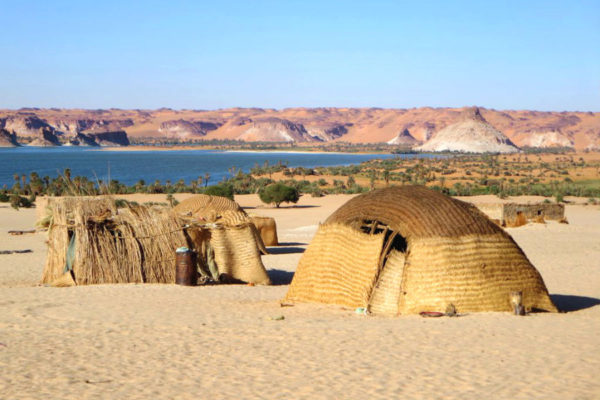
Migration, extractive industry investments, and disputes over land tenure have for decades complicated dynamics within Tuareg communities and their relations with governments in the Sahel. As this region undergoes immense changes and many Tuaregs once again move across borders, conflicts are reemerging. Initiatives that integrate Tuareg concerns over land and livelihood opportunities through inclusive political engagement will be necessary to address these recurring regional conflict drivers.
Download the Article: [PDF]Conflict Minerals in the Democratic Republic of the Congo: Aligning Trade and Security Interventions
By Ruben de Koning. Stockholm International Peace Research Institute, June 2011.
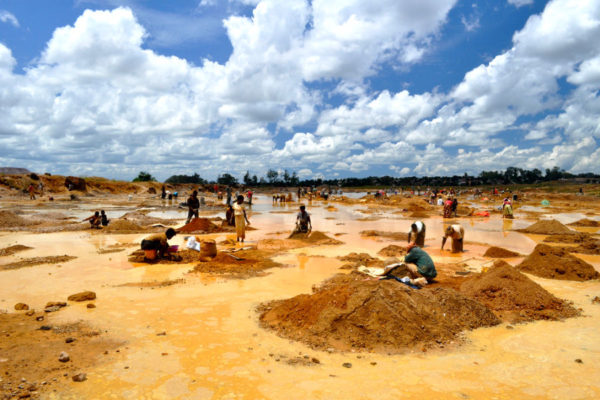
Unless authorities re-establish administrative control over mines, competition between armed groups and wayward military units over access to lucrative minerals will continue to destabilize the DRC. Fortunately, new schemes to formalize, regulate, and trace mineral products are improving the prospects to do so. This will be contingent, however, on other governance enhancements, including security sector reform.
Download the Paper: [PDF]
Calming the Waters: The East African Community and Conflict Over the Nile Resources
By Peter Kagwanja. Journal of Eastern African Studies, 2007.
Disputes over the Nile River have at times prompted bellicose diplomatic exchanges since its management is a vital strategic interest for the 10 mainly arid countries that use its water to irrigate crops, power hydroelectric dams, and sustain growing populations. Work by the East African Community has fostered confidence in collaboration between states and AU action plans provide successful models to avoid disputes and promote cooperation elsewhere. Download the Article: [PDF]From Greed to Grievance: Natural Resources and Conflict in Africa
"Chapter 8: From Greed to Grievance: Natural Resources and Conflict in Africa" in African Environmental and Human Security in the 21st Century. By Elisabeth Feleke. Cambria Press, December 2009.
Resource endowments have played a prominent role in numerous African conflicts. Controlling these resources is a strategic priority for both gvernments as well as armed non-state actors who use these revenues to finance their military operations thereby exacerbating and prolonging conflict. Poor resource management can strain traditional mechanisms for resolving tensions and conflict accelerates resource depletion, creating a cycle of environmental degradation and insecurity. Cooperative governance mechanisms to manage resources, such as the Nile Basin Initiative, can not only prevent insecurity but utilize Africa's resource abundance as a means of sustainable development.
Download the Article: [PDF]Chronicle of a Death Foretold: The Collapse of the Chad-Cameroon Pipeline Project
Chronicle of a Death Foretold: The Collapse of the Chad-Cameroon Pipeline Project. By Scott Pegg. African Affairs, 2009.
The Chad-Cameroon pipeline was a novel World Bank-sponsored consortium intended to generate a revenue windfall and ensure it was spent responsibly. In September 2008 the World Bank ended its role after Chad diverted oil revenues. Rather than breaking the “resource curse,” the pipeline is now cited as another cautionary example of how improper resource management subverts development and stability. View the Article: [HTML]Governance Strategies to Remedy the Natural Resource Curse
By Joseph Siegle. International Social Science Journal. UNESCO, 2009.The seemingly paradoxical outcome of resource-rich countries being development-poor is, in fact, quite predictable given that autocratic governments often rule resource-rich states. Addressing the resource curse requires changing the incentives facing political leaders so that they are rewarded for transparency and confront robust international legal penalties when they do not. View the Article: [HTML]
Other Reads