Maritime Development in Africa: An Independent Specialists’ Framework
The African Union Commission, the Brenthurst Foundation, and the Africa Center for Strategic Studies, 2010.
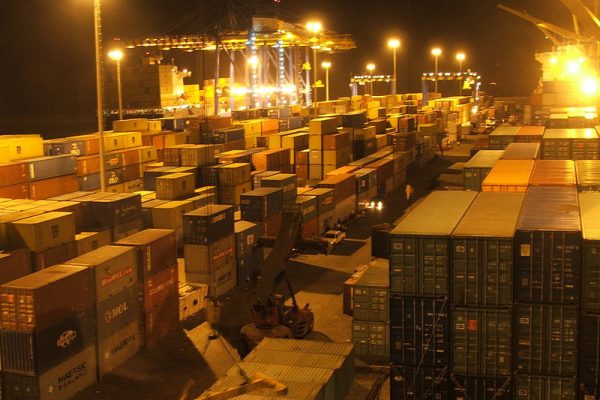
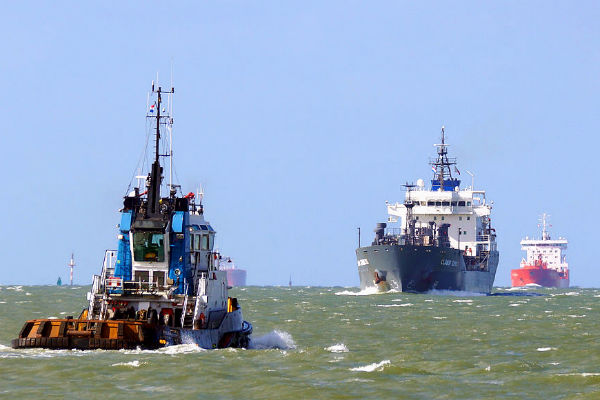
Africa’s maritime domain is a critical source of food security, the conduit for 90 percent of continental trade, and vital to its future growth. However, Africa is also the only major region lacking a maritime strategy. Readily available guidelines and legal frameworks should be integrated into Africa’s Common Defense and Security Policy to facilitate an African-led collective security strategy for the maritime domain. [PDF]Navies versus Coast Guards: Defining the Roles of African Maritime Security Forces
By August Vogel. Africa Center for Strategic Studies, 2009.
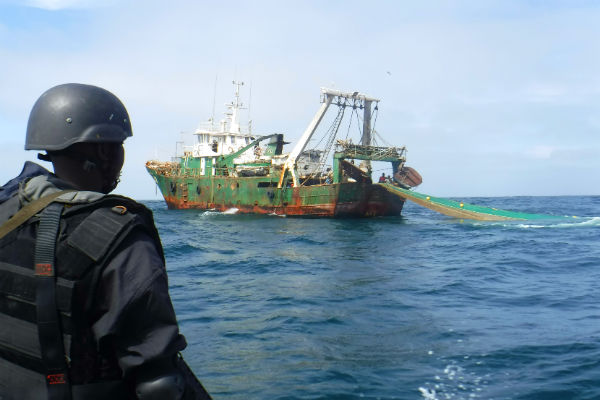
Piracy, illegal fishing, and narcotics and human trafficking are growing rapidly in Africa and represent an increasingly central component of the threat matrix facing the continent. However, African states’ maritime security structures are often misaligned with the challenges posed and need coast guard capabilities and an array of intra-governmental partnerships. [PDF]Africa Center for Strategic Studies Announces Opening of Maritime Safety and Security Seminar
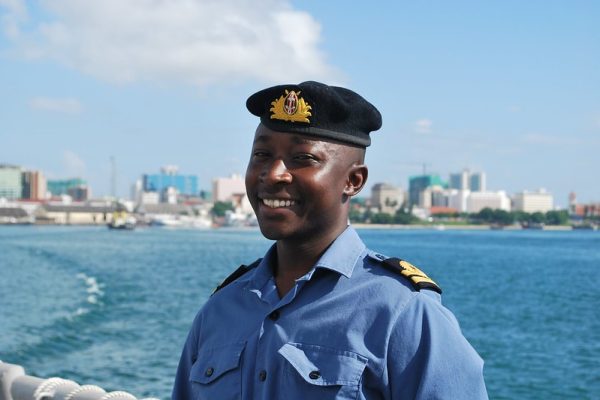
The Africa Center for Strategic Studies welcomed 83 participants from across Africa, the U.S., and Europe during the opening ceremony for the 2010 Maritime Safety and Security Seminar on Apr. 19 in Dar es Salaam, Tanzania. The weeklong program, with the theme of “Capacity Building for Maritime Security in Africa: Comprehensive and Coherent Strategic Approaches,” is focusing on the relationship of maritime security and development in Africa. The participants come from 34 African countries and include senior civilian and security sector officials responsible for maritime security in their respective countries, African subject-matter experts, and representatives from Regional Economic Communities. In his welcoming remarks, U.S. Ambassador to Tanzania Alfonso E. Lenhardt said the seminar will discuss the link between maritime security and development in Africa: “Maritime security forces help provide a safe environment where sustainable growth and development can occur. They fight piracy, enforce regulations protecting fish and other marine resources, combat drug trafficking and other illicit commerce, perform search and rescue operations, prevent illegal immigration, and uphold safe shipping practices, among other duties. Together, these activities facilitate the use of a nation’s water ways for legitimate purposes. Without these activities, national and regional economic development suffers due to denial of the benefits and opportunities presented by the sea, lakes, and rivers.”Ambassador Lenhardt then spoke directly about the threat of piracy:
“Piracy is a worldwide problem, as our West African colleagues here can attest. Also, waterborne bandits are not only a saltwater phenomenon. Tanzania’s freshwater international coastline is well over twice as long as its seacoast. Lakes Victoria, Tanganyika, and Nyasa (or Malawi) and the Ruvuma River all present their own set of security challenges. Nor is piracy the only threat to maritime security. Illegal fishing combined with technological innovations have seriously depleted fish stocks. Trawlers from distant countries often enter East African waters without paying licensing fees or observing conservation laws, looting resources, and denying legitimate revenue to the people of this region. Several hundred miles to the northwest, Lake Victoria, already endangered by climate change and pollution, is also threatened by over-fishing. This affects the livelihood of millions of Africans from three different countries. And just beyond the beach here in Dar es Salaam, it is common to hear the occasional muffled explosion from dynamite fishing. These are examples of some of the challenges we currently face when developing strategies to protect marine resources and solve maritime issues.” The Ambassador called on the participants to use the seminar as an opportunity for positive collaboration: “During the next several days, we can all discuss what works best, what is not working, and together, plan for the future. Let’s take the time to talk to one another and exchange best practices that can be implemented in our countries. I am confident that this seminar will give you an opportunity to deepen your professional bonds this week and enhance your ability to affect positive change.” This is the second seminar on maritime safety and security to be held in Africa under the sponsorship of the Africa Center. The seminar addresses an urgent need along Africa’s coastal areas. Failure to pay attention to these issues has had a negative impact on stability, human security, and economic development in the region. The seminar is consistent with the U.S. Government’s ongoing efforts to assist in the development of African capacity to address the continent’s security challenges.###
U.S. Ambassador to Tanzania Alfonso E. Lenhardt addresses participants of the 2010 Maritime Safety and Security Seminar at the Movenpick Hotel in Dar es Salaam.
Participants of the Maritime Safety and Security Seminar gather on the first day of the weeklong event. Shown front row center is U.S. Ambassador Alfonso E. Lenhardt. On his left is Dr. Hussein Mwinyi, Tanzanian Minister of Defense and National Service, and Cape Verde Minister of Defense Maria Cristina Fontes Lima. On the Ambassador’s right is Dr. Monde Muyangwa, the Africa Center’s Academic Dean.View more photos from this event:
Bad Order at Sea: From the Gulf of Aden to the Gulf of Guinea
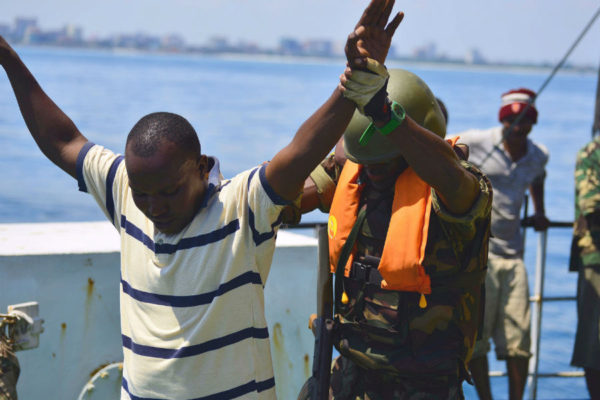
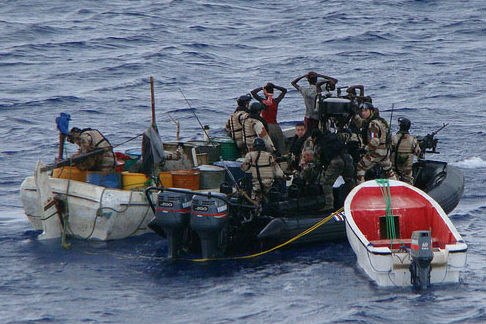
Africa's western and eastern coasts host the world's highest number of attacks at sea. However, the nature of these maritime security environments differ markedly in terms of targets, levels of violence, and links to onshore politics. International response in East Africa has been substantial, but the mechanisms for maritime governance in West Africa in some ways bear more promise for sustainable security.[PDF]The Maritime Security Quandary in the Horn of Africa Region: Causes, Consequences, and Responses
The Maritime Security Quandary in the Horn of Africa Region: Causes, Consequences, and Responses. By Thean Potgieter. Hanns Seidel Foundation, Kenya. 2008. This article focuses on Somalia-related off-shore security challenges with a discussion of the causes of maritime security challenges in the wider region. [PDF]Enhancing Maritime Security in the Gulf of Guinea
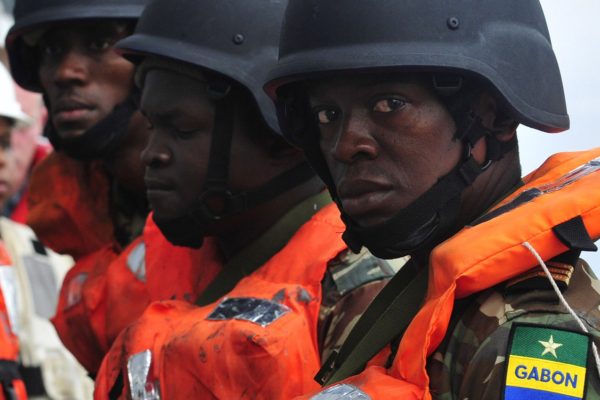
Enhancing Maritime Security in the Gulf of Guinea. By Raymond Gilpin. Strategic Insights, 2007. A brief overview of the maritime security challenges in the Gulf of Guinea, followed by a call for greater regional cooperation and civic engagement. The autho highlights the human security implications (economic losses, trade and shipping, and in relation to the UN's Millennium Development Goals) of the maritime security challenge in Africa. [PDF]Legal and Policy Dimensions of Coastal Zone Monitoring and Control: The Case in Ghana
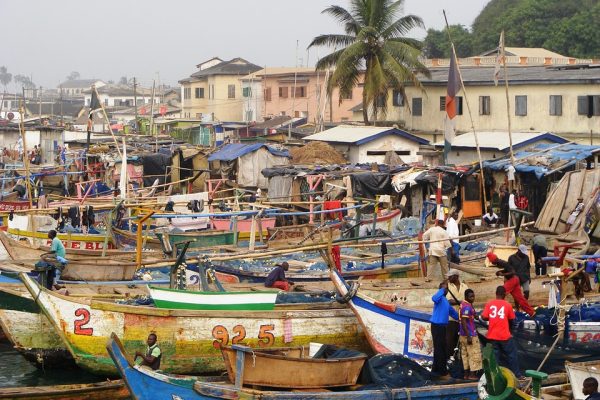
Legal and Policy Dimensions of Coastal Zone Monitoring and Control: The Case in Ghana. By Ali Kamal-Deen. Ocean Development & International Law, 2004. The author outlines the challenges to coastal zone monitoring and control in Ghana, as well as the technological tools (and their legal implications) available to relevant security sectors. A well-written case study from the perspective of a member of the Ghanaian armed forces. [PDF]
-
Africa Security
- Experts
- Experts’ Publications
- ACSS Publications
- U.S. Policy
- Security Issues
- Electoral Security
- Africa Security Challenges
- Combating Urban Organized Crime
- Conflict Prevention or Mitigation
- Countering Extremism
- Counter Narcotics
- Democratization
- Identity Conflict
- Irregular Warfare
- Maritime Security
- Natural Resources and Conflict
- Peacekeeping
- Piracy
- Post-Conflict Reconstruction
- Preventing and Reversing Military Coups
- Regional and International Security Cooperation
- Security and Development
- Security Sector Reform
- Stabilization of Fragile States
- Countries and Contexts
- Official Documents