
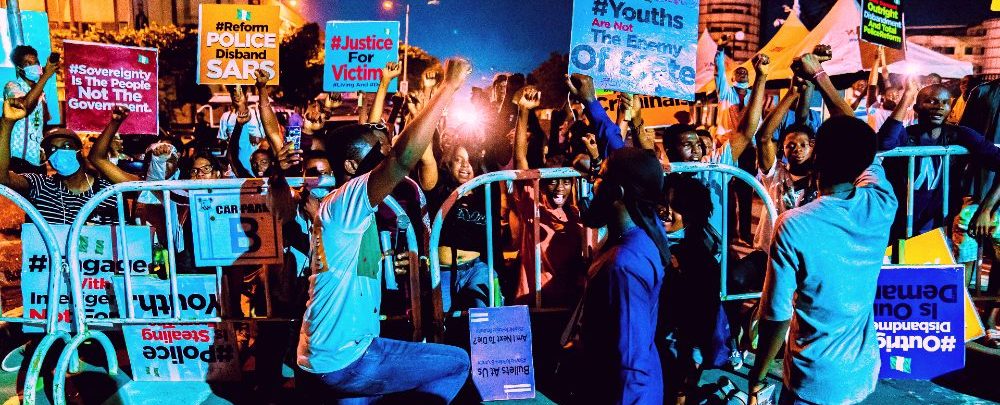
Nigeria is Africa’s Giant. “Naija” culture, money, and hustle tower in reputation and clout across the continent. Over 200 million people—with a median age of 18—live in Nigeria. Nearly half of Nigerians live in cities and 42 percent use the internet, reflecting a rapidly transforming and dynamic population. Through reforms and elections that have built on its 1999 Constitution, Nigeria has become the fourth most populous democracy in the world—the largest in Africa. Its institutions and checks remain vulnerable however, stalked by decades of military dictatorships and the corrupt networks they fueled. These legacies limit Nigeria’s capacity and dexterity to address its diverse and serious internal security threats, including a long running militant Islamist insurgency around Lake Chad, banditry by criminal gangs near Kaduna, and a revival of militant successionist groups in the South South region. Poverty, land access disputes, and a withering petroleum-dependent economy are kindling for violence by armed groups. The Africa Center’s analyses examine how navigating these challenges goes hand-in-hand with fortifying the country’s democratic organs, avenues for youth-engagement, and security sector reforms.
Infographic
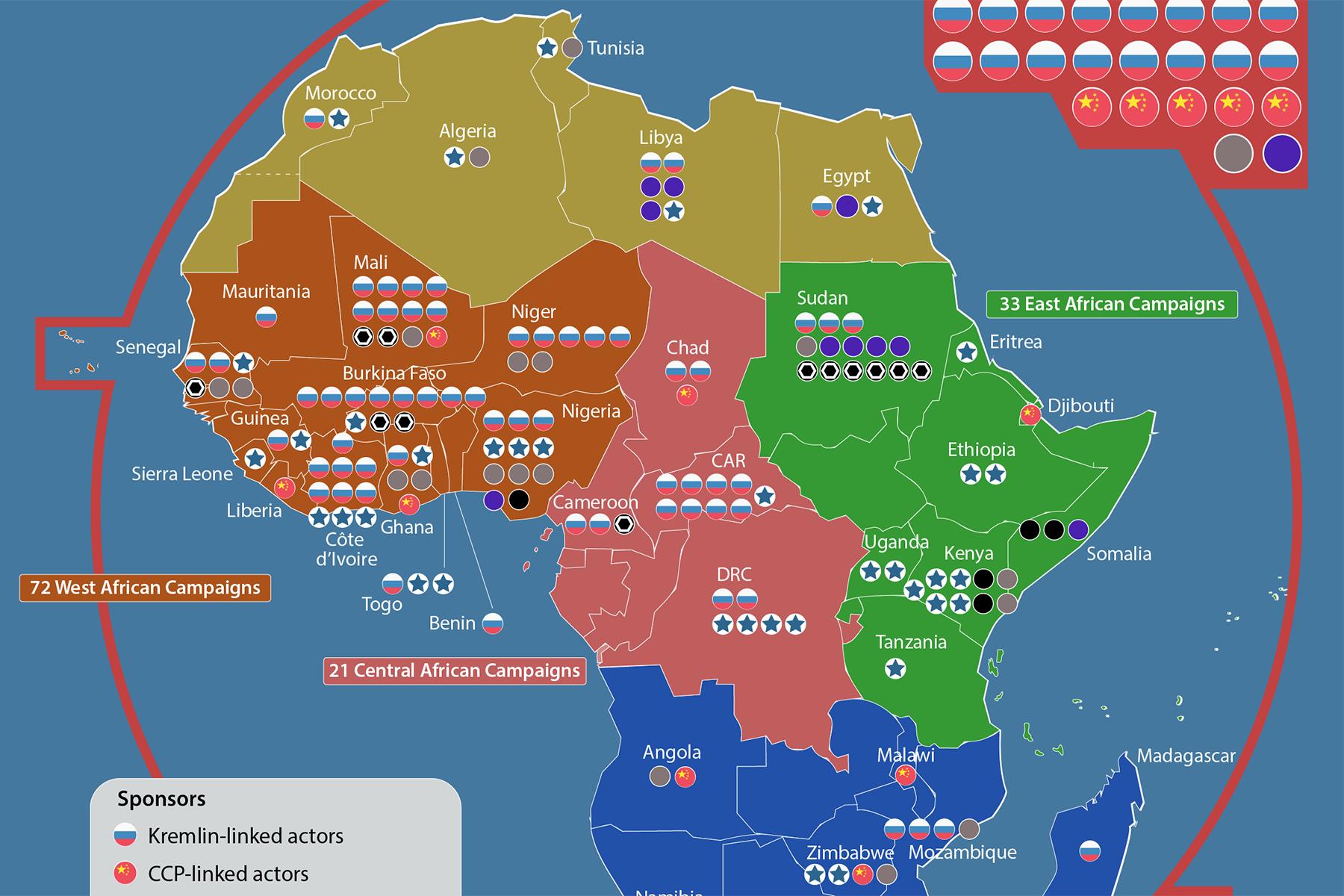
Mapping a Surge of Disinformation in Africa
Disinformation campaigns seeking to manipulate African information systems have surged nearly fourfold since 2022, triggering destabilizing and antidemocratic consequences.
Infographic
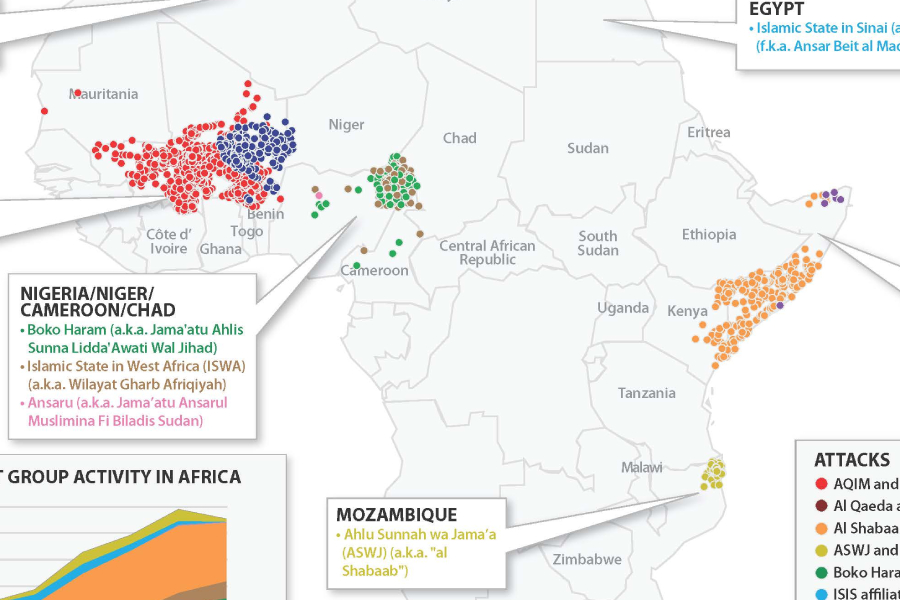
Deaths Linked to Militant Islamist Violence in Africa Continue to Spiral
Fatalities linked to militant Islamist violence jumped by 20 percent in 2023, claiming more than 23,000 lives—a new record. Over 80 percent of these deaths were in the Sahel and Somalia.
Infographic
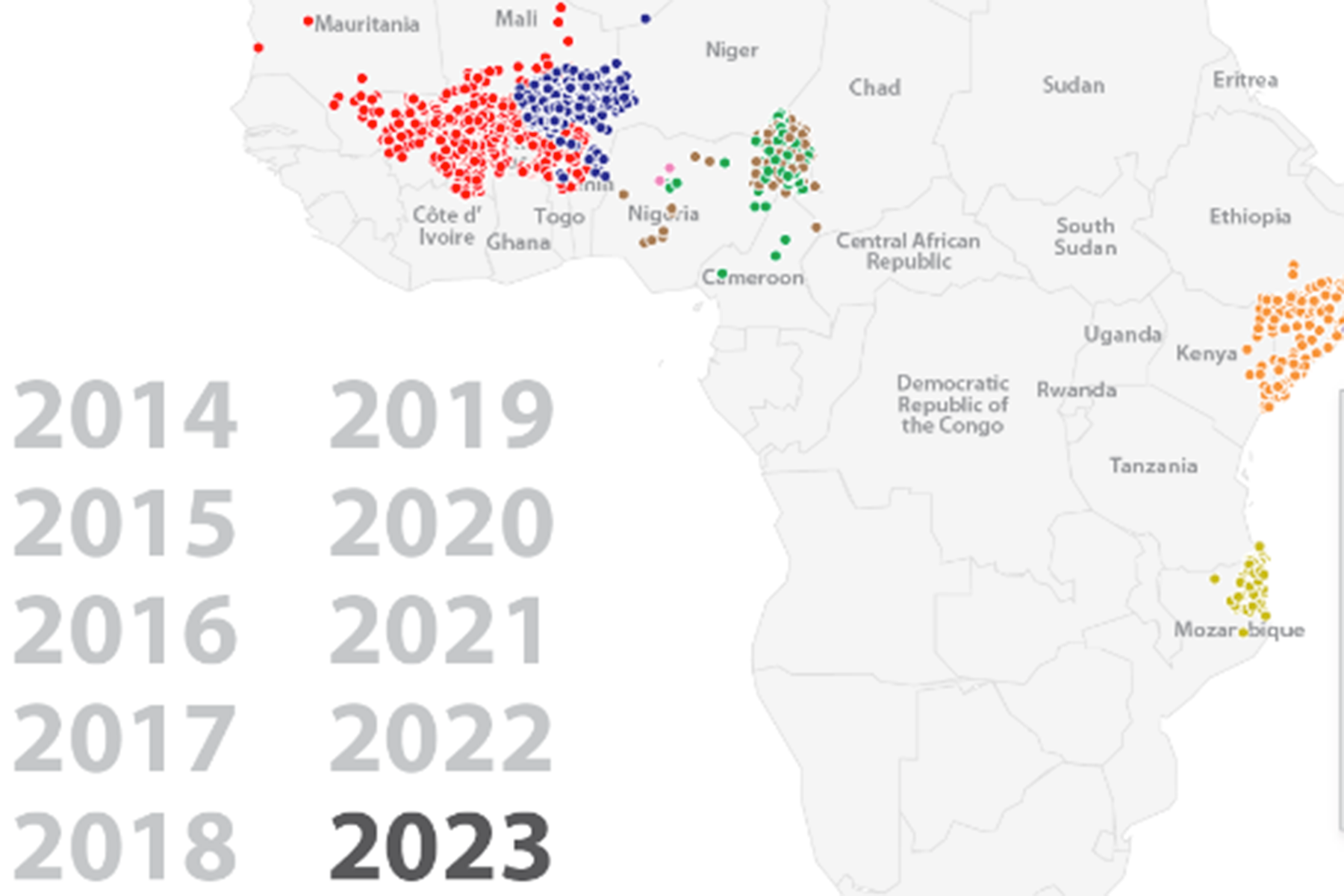
African Militant Islamist Group-Linked Fatalities at All-Time High
A 50-percent spike in fatalities tied to militant Islamist groups in the Sahel and Somalia over the past year has eclipsed the previous high in 2015 when Boko Haram was at its most lethal phase.

Spotlight
Delivering on Nigerians’ Demands for Security
To reverse Nigeria’s deteriorating security environment, experts urge the Tinubu administration to surge security forces in identified hotspots while prioritizing civilian harm reduction, improving accountability of the security sector, and rebuilding trust.
Expert Publication
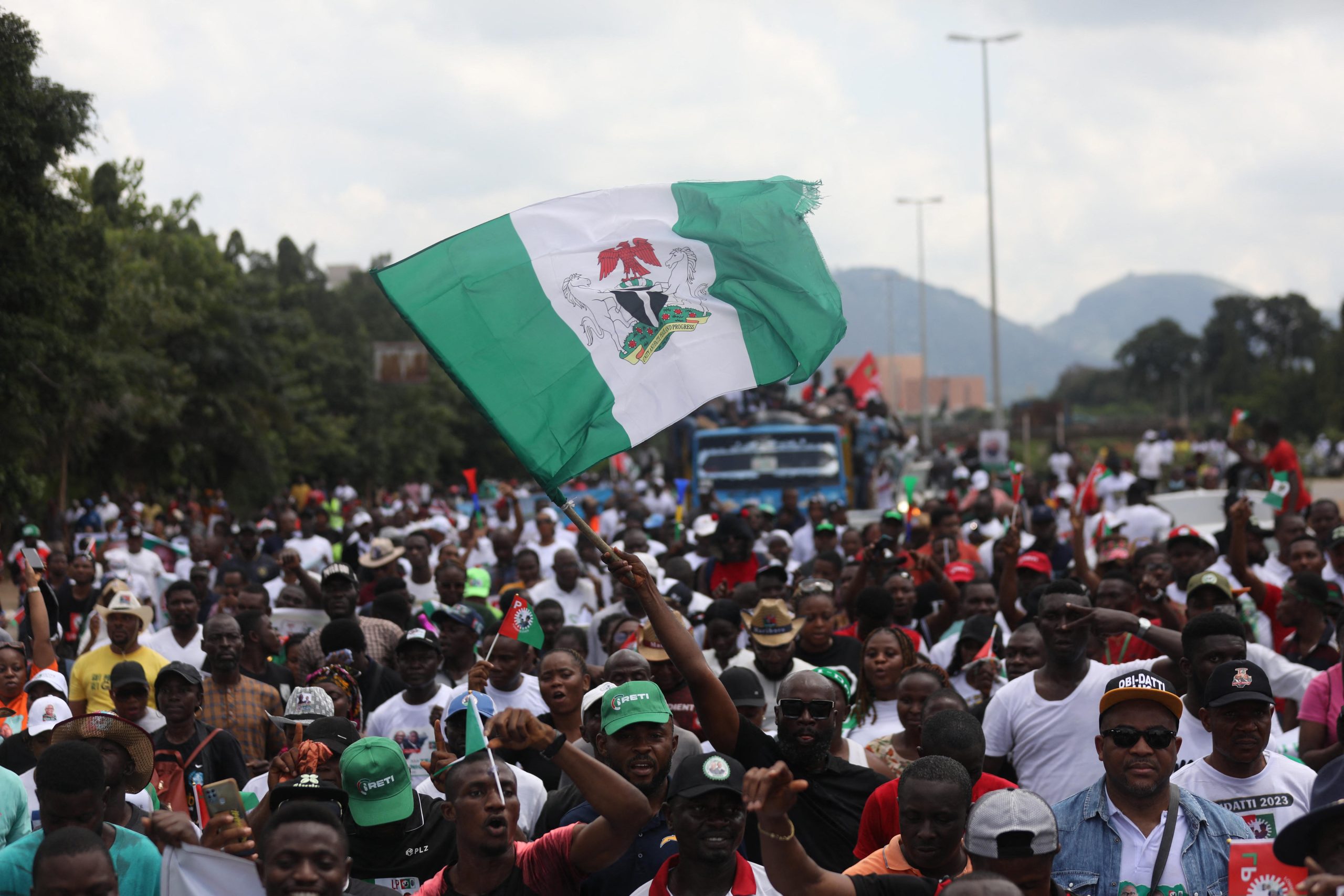
A Successful Election in Nigeria Would Send a Powerful Message
Joseph Siegle explains the importance of Nigeria’s election, including the key role youths and civil society organizations will play, plus security challenges the West African nation faces.
Infographic
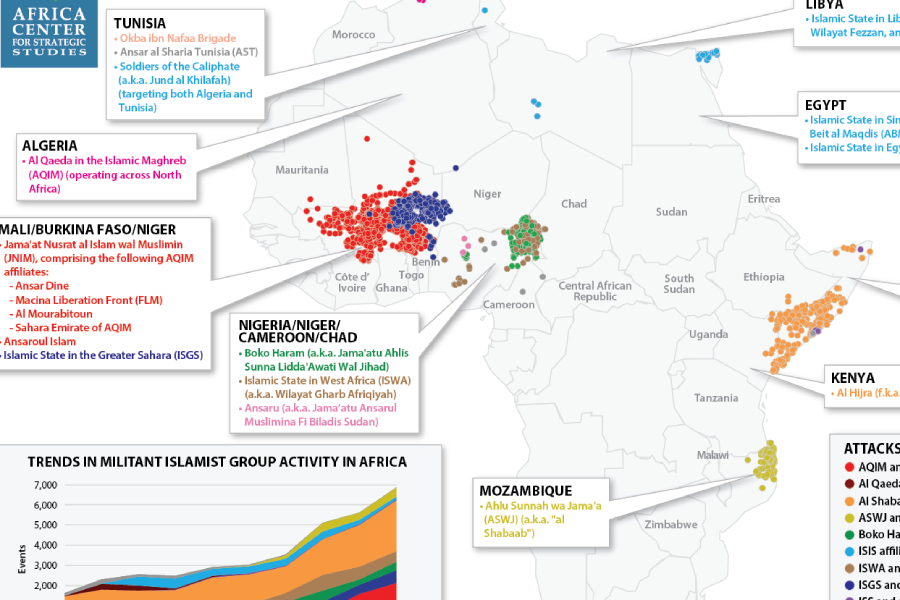
Fatalities from Militant Islamist Violence in Africa Surge by Nearly 50 Percent
Continuing a decade-long upward trend, violent events linked to militant Islamist groups in Africa increased by 22 percent while fatalities surged by 48 percent over the past year.
Spotlight
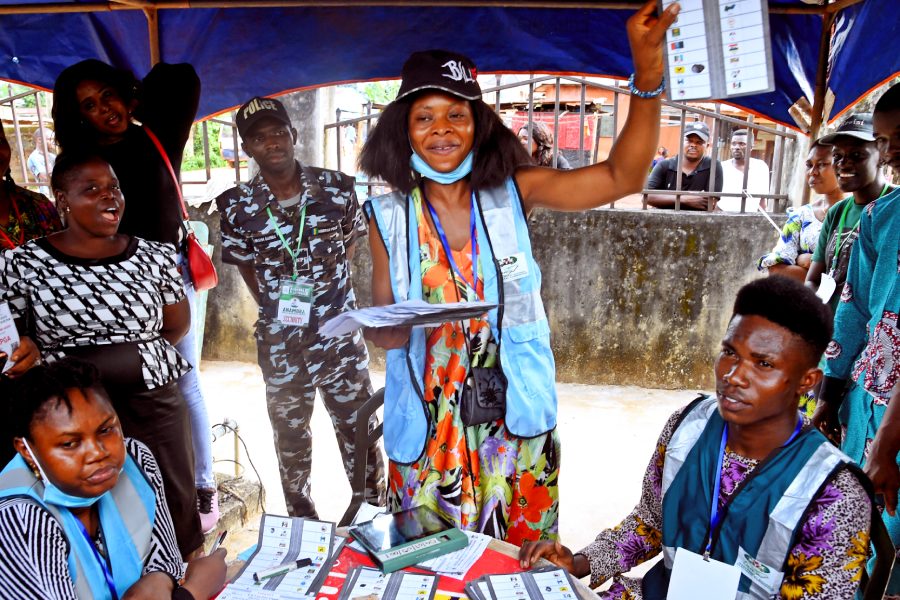
Africa’s 2023 Elections: Democratic Resiliency in the Face of Trials
Despite serious challenges, Africa's youthful electorates vie to have their voices heard so as to shape a more democratic, stable, and prosperous future.
Infographic
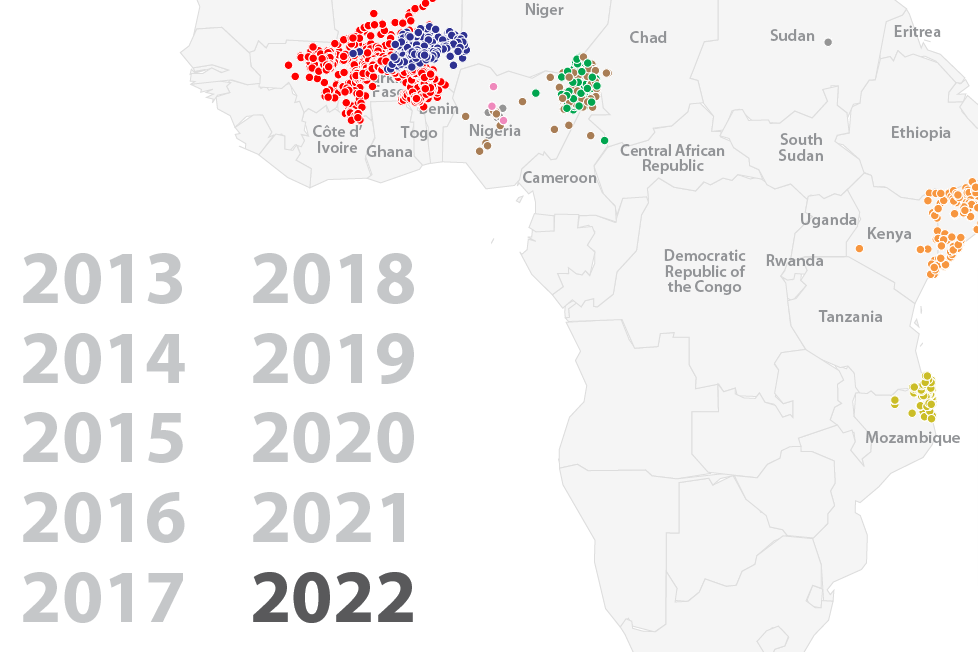
Sahel and Somalia Drive Rise in Africa’s Militant Islamist Group Violence
Militant Islamist violence in Africa has risen continuously over the past decade, doubling in just the past 3 years.
Infographic
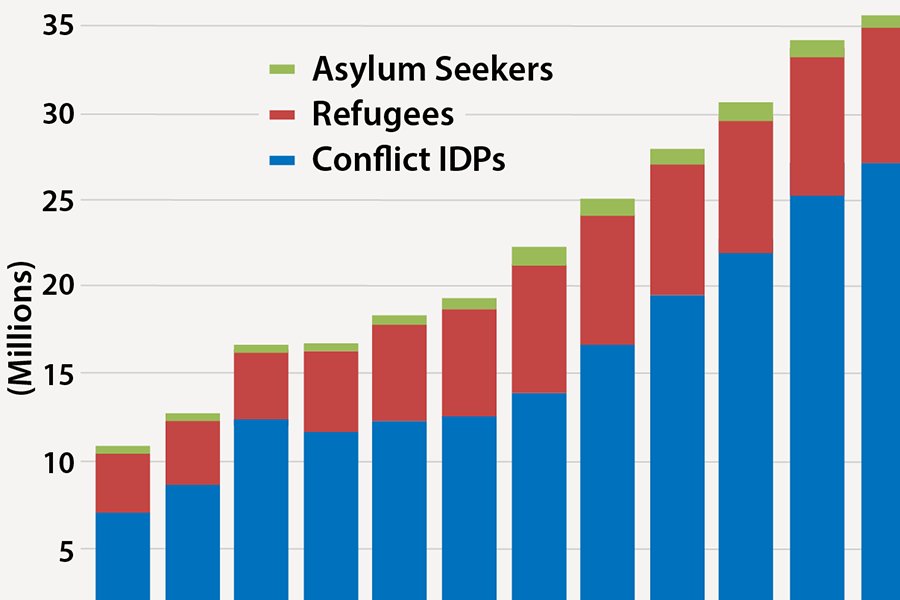
Record 36 Million Africans Forcibly Displaced
Conflict continues to drive Africa’s record levels of population displacement. Africa’s 36 million forcibly displaced persons represent 44 percent of the global total.
Infographic
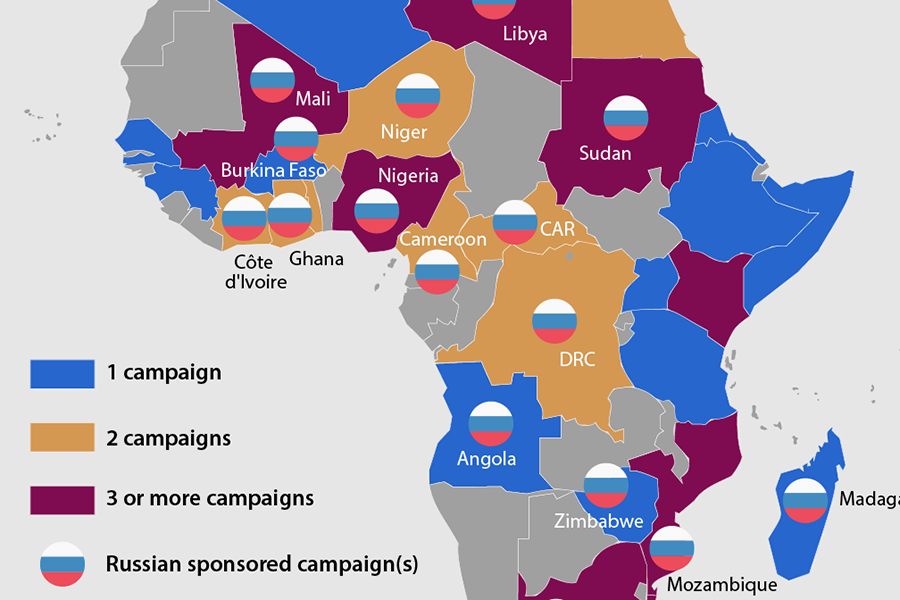
Mapping Disinformation in Africa
Russia has pioneered a model of disinformation to gain political influence in Africa that is now being replicated by other actors across the continent.
Infographic
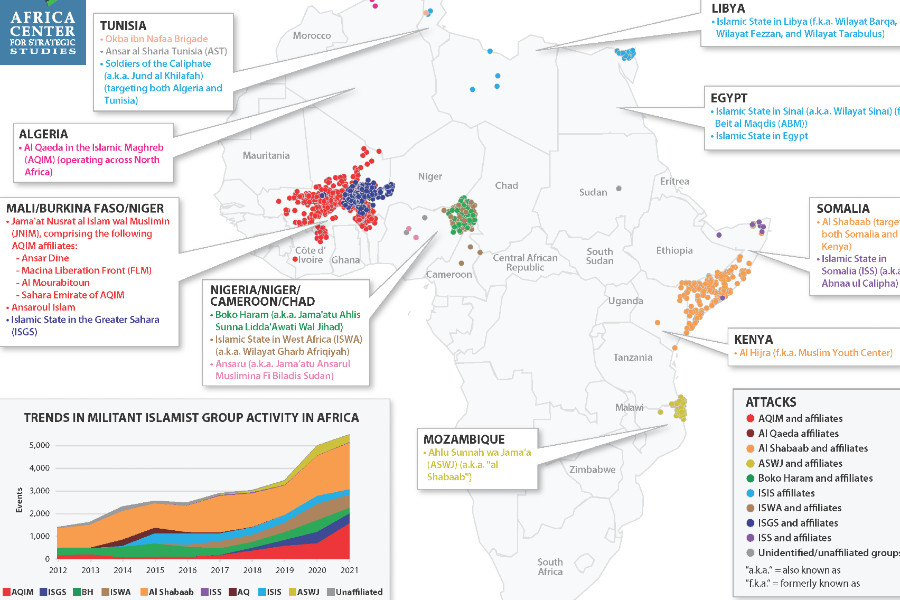
Surge in Militant Islamist Violence in the Sahel Dominates Africa’s Fight against Extremists
A 70-percent annual increase in violent events linked to militant Islamist groups in the Sahel propelled a new record of extremist violence in Africa in 2021.
Spotlight
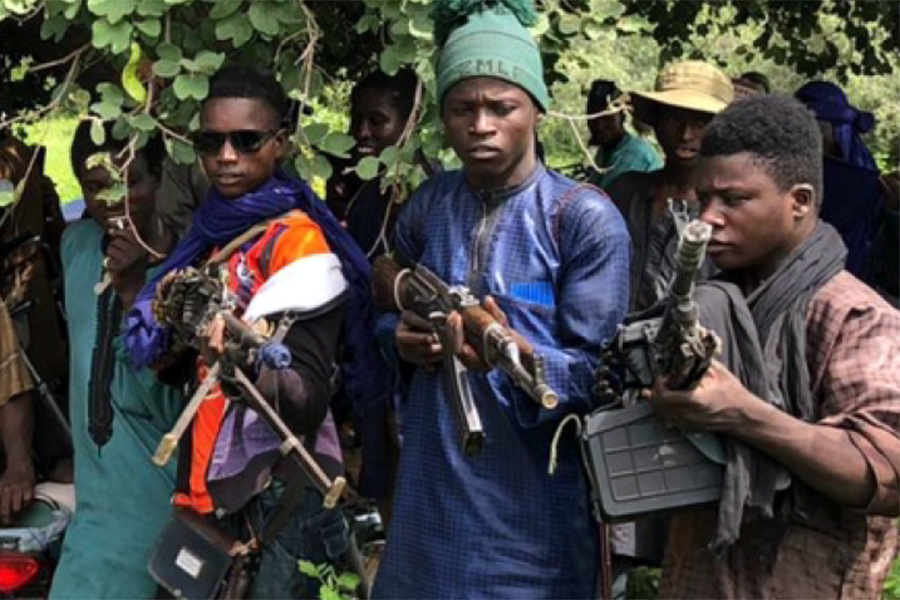
Criminal Gangs Destabilizing Nigeria’s North West
Escalating attacks on communities in North West Nigeria by criminal gangs, including mass kidnappings of school children, exploit the limited security sector presence in the region.
Infographic
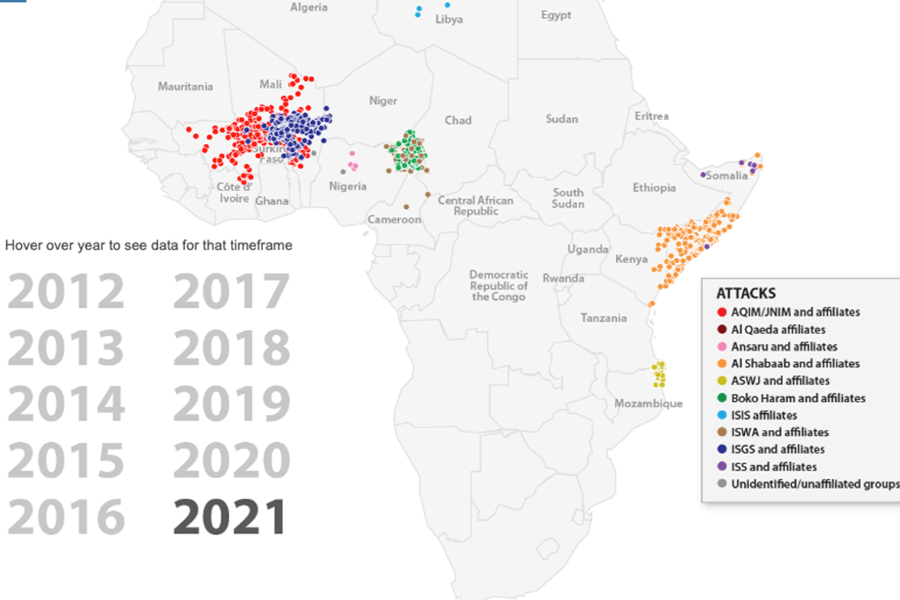
African Militant Islamist Group Violence Maintains Record Pace, though Slowing
The contours of African militant Islamist group violence are shifting, though maintaining a record pace of havoc resulting in an average of 14 violent events per day.
Publication
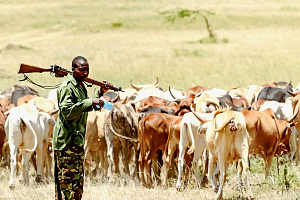
The Growing Complexity of Farmer-Herder Conflict in West and Central Africa
The rise of farmer-herder violence in Africa is more pernicious than fatality figures alone since it is often amplified by the emotionally potent issues of ethnicity, religion, culture, and land.
Infographic
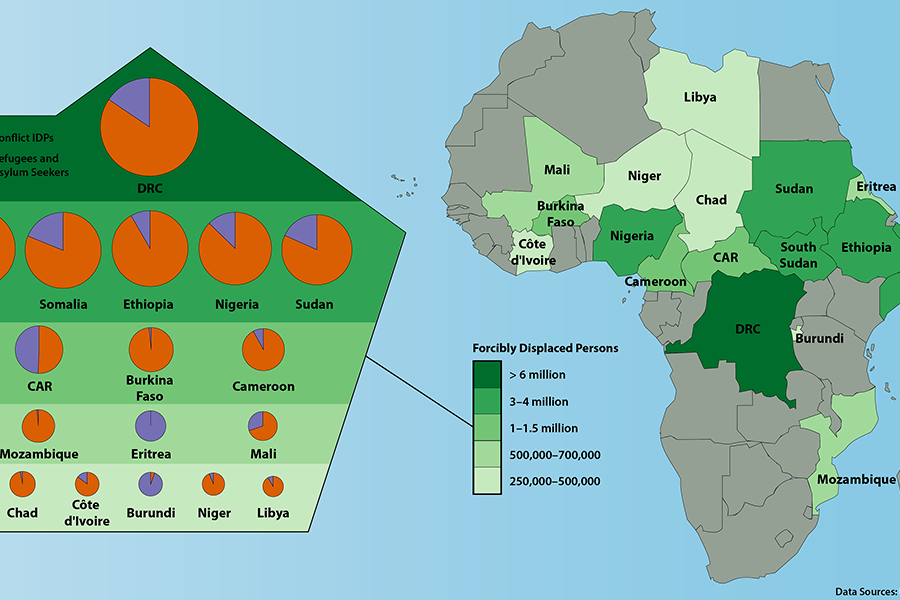
32 Million Africans Forcibly Displaced by Conflict and Repression
Africa continues to experience expanding and record levels of forced displacement—a result of predatory governments, political fragmentation, and violent extremist groups.
Spotlight
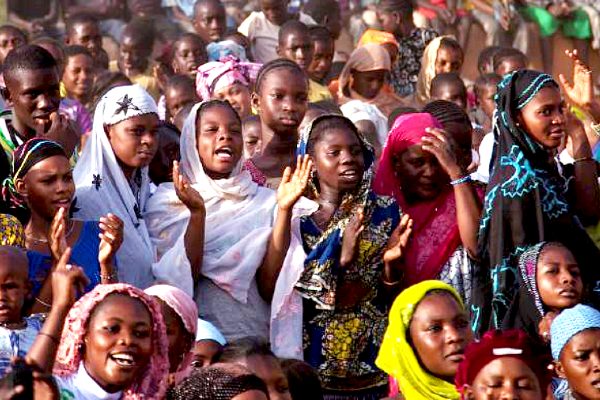
African Youth Engaging in Peace and Security
Despite challenges of unemployment, corruption, entrenched political leadership, and political violence, many African youth have found constructive avenues to promote peace, effective governance, and reform.
Spotlight
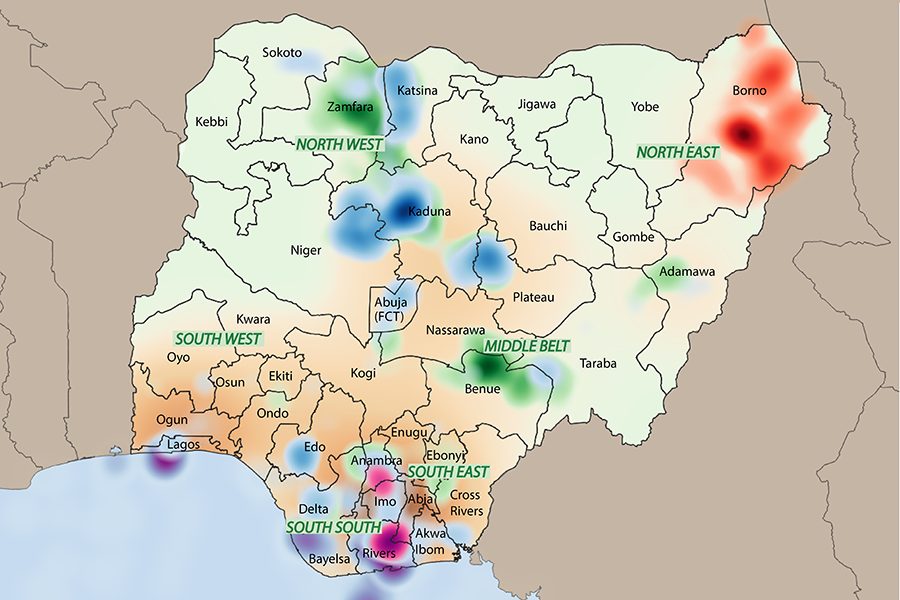
Nigeria’s Diverse Security Threats
Nigeria faces an array of security challenges beyond Boko Haram. Distinguishing these threats and understanding their socio-geographic contours is essential for adapting customized solutions.
Video
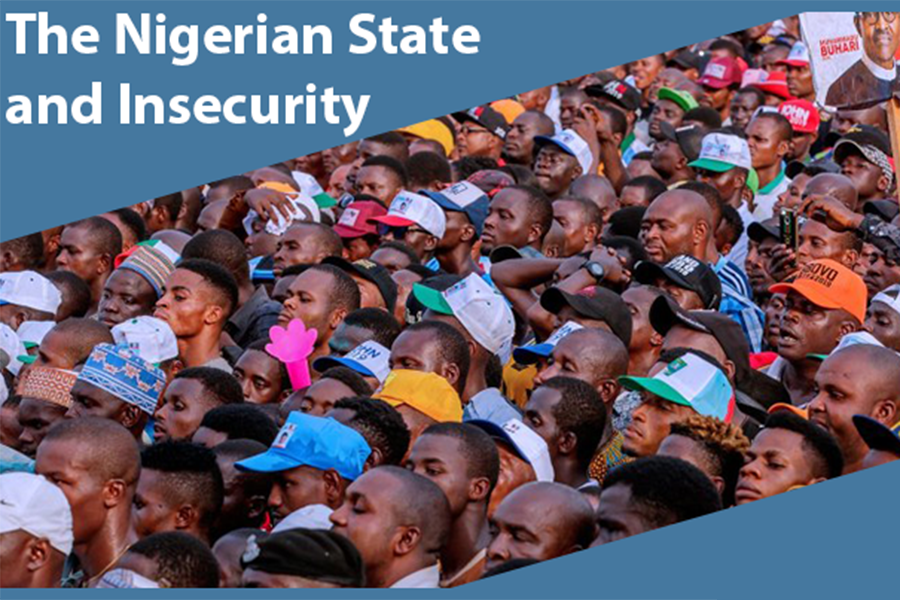
The Nigerian State and Insecurity
Nigeria faces a plethora of security challenges ranging from violent extremism, to farmer-herder conflict, banditry, a revived secessionist movement, police repression, piracy, and attacks on oil infrastructure, among others. In this roundtable discussion, experts representing diplomatic, scholarly, and practitioner perspectives discuss the links between these security challenges and Nigeria’s patronage-based state institutions. Key themes were the need to rethink the structure of the Nigerian state, identify means of strengthening national identity, harness the aspirations of youth to advance governance reform, create more accountability within the security services, and avoid the militarization of every security challenge.
Spotlight
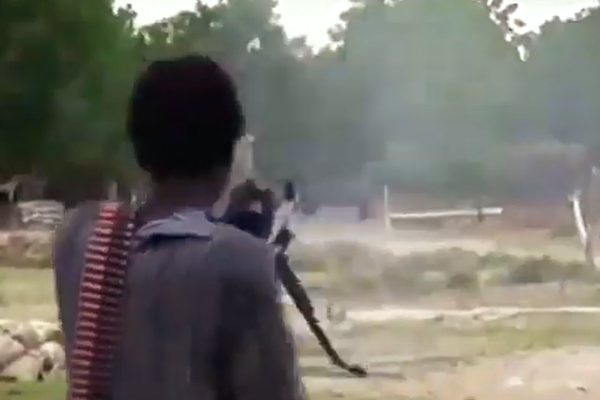
Confronting Nigeria’s Kaduna Crisis
Escalating violence in Nigeria’s North West region requires applying lessons from the fight against Boko Haram, including the need for community outreach and adapting the use of the Joint Military Task Force to unique local threats.
Infographic
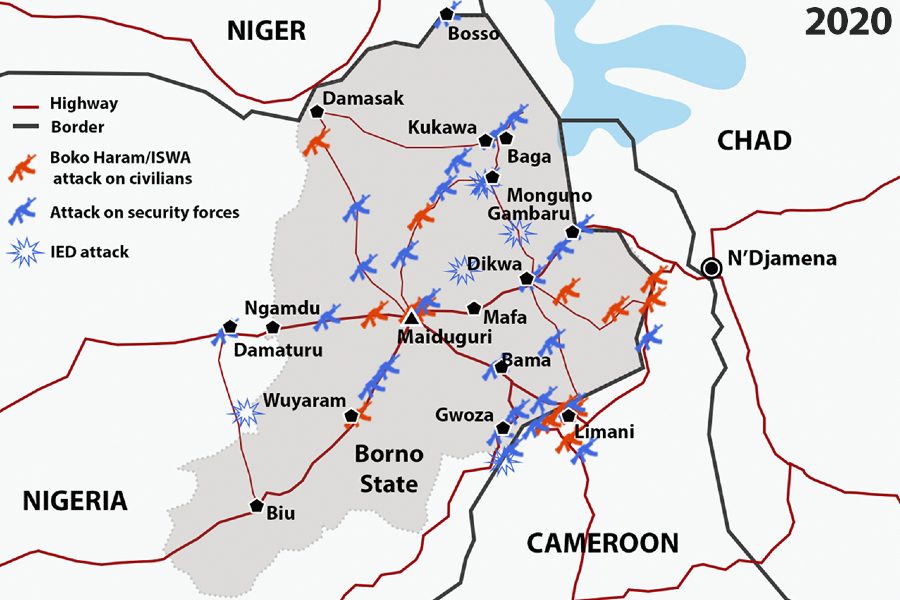
Boko Haram and the Islamic State in West Africa Target Nigeria’s Highways
A rise in highway ambushes by Boko Haram and the Islamic State in West Africa pose a growing threat of isolation for Borno State’s 4 million residents.
Infographic
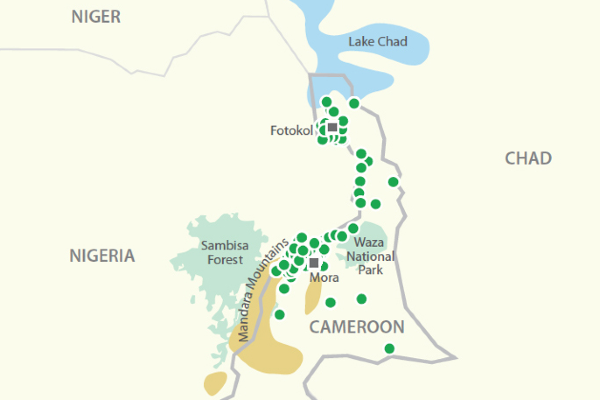
Boko Haram Violence against Civilians Spiking in Northern Cameroon
Northern Cameroon has experienced the sharpest spike of Boko Haram violence in the Lake Chad Basin over the past 12 months, namely in the form of attacks on civilians.
Infographic
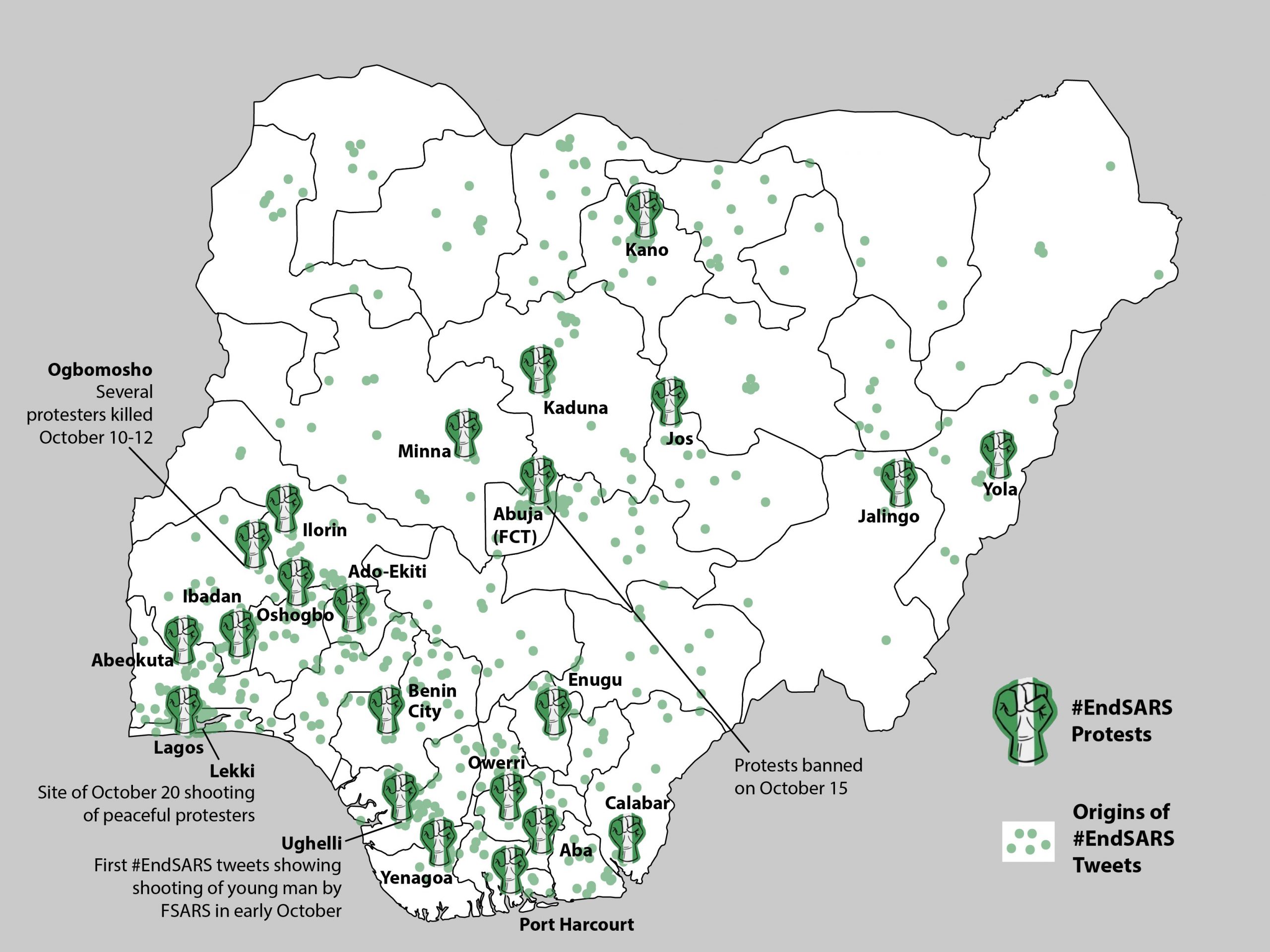
#EndSARS Demands Nigerian Police Reform
Nigeria’s largest protests in a generation are calling for police and governance reforms—and expose long-delayed initiatives to enhance professionalism and oversight of Nigeria’s police.
Spotlight
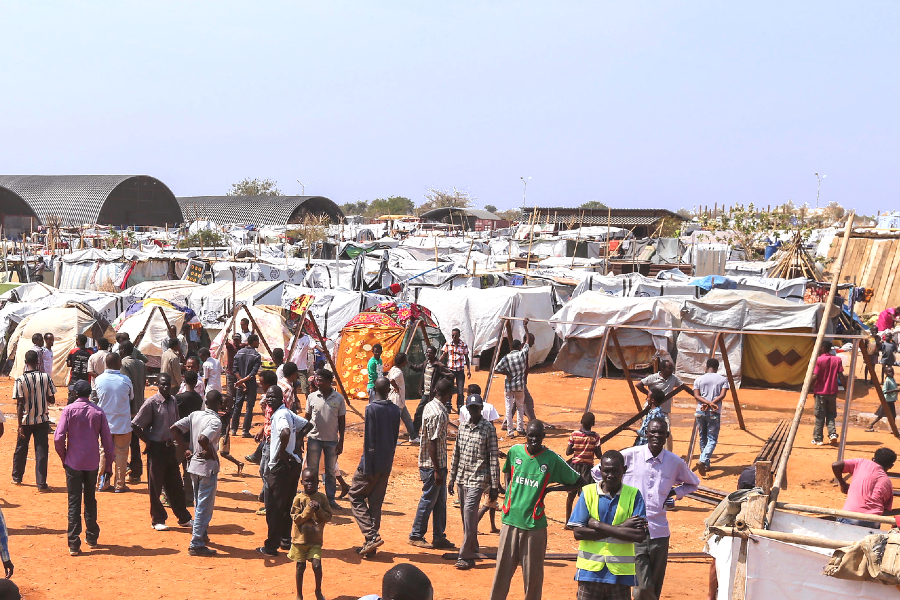
COVID-19 and Africa’s Displacement Crisis
The spread of the coronavirus in Africa is intersecting with the continent’s population displacement crisis. Protecting displaced persons and migrants will be key to reducing the overall rates of transmission.
Infographic
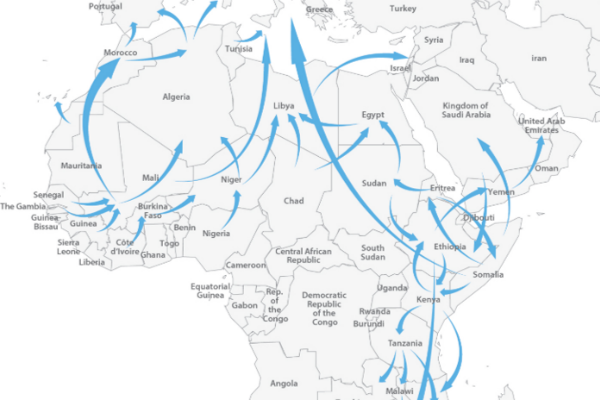
African Migrant Flows Reshaping Security Challenges in Africa
The dynamism of clandestine African migration flows continues to present criminal and violent extremist groups opportunities for exploitation.
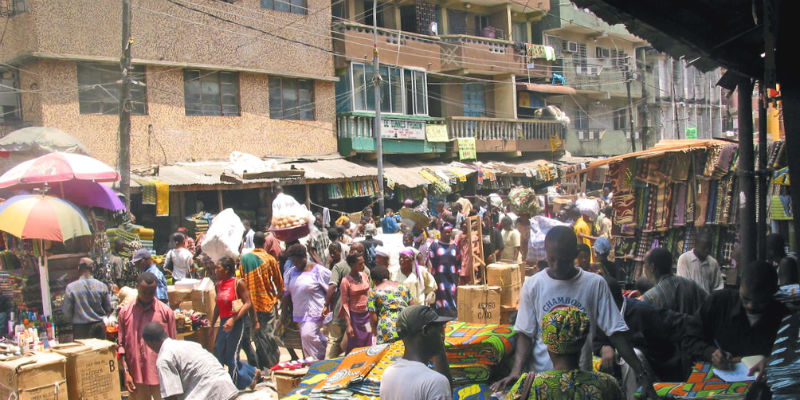
Spotlight
Security Priorities for the New Nigerian Government
From Boko Haram to farmer-herder conflicts, ethno-religious tensions, separatist movements, urban crime, and national identity, Nigeria experts size up the security priorities facing the Buhari government in its second term.
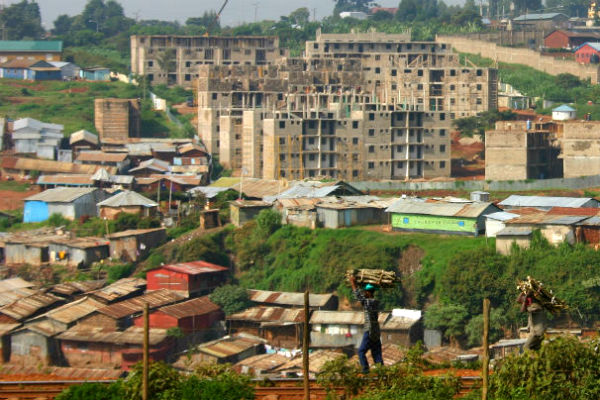
Publication
From Urban Fragility to Urban Stability
The growing share of Africa's urban residents living in slums is creating a further source of fragility. However, integrated urban development strategies that link local government, police, the private sector, and youth are strengthening social cohesion and enhancing stability.
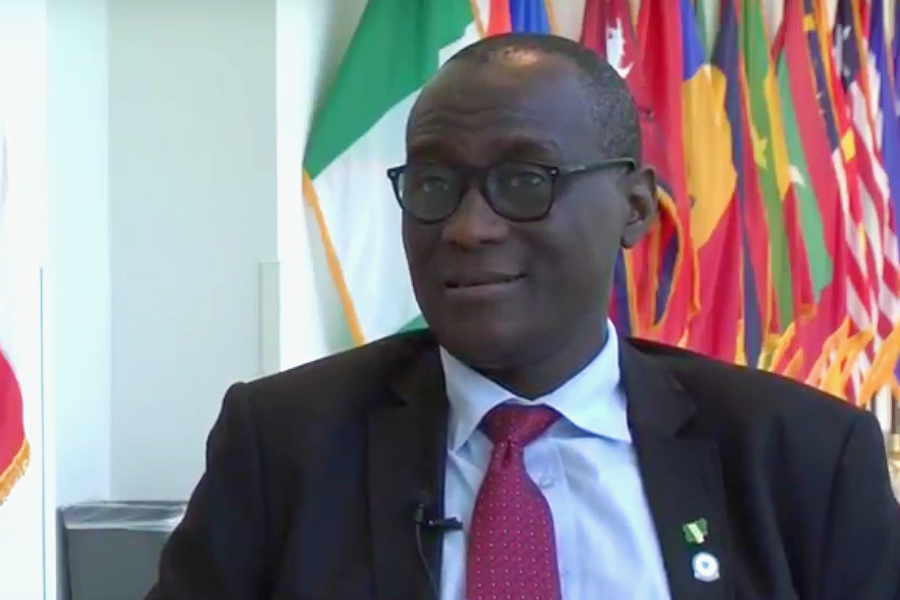
Spotlight
Advancing Military Professionalism: A Discussion with Brig. Gen. Saleh Bala
In an interview with the Africa Center, retired Brig. Gen. (ret.) Saleh Bala discusses the role that training, procurement, and international partnerships play in advancing military professionalism.
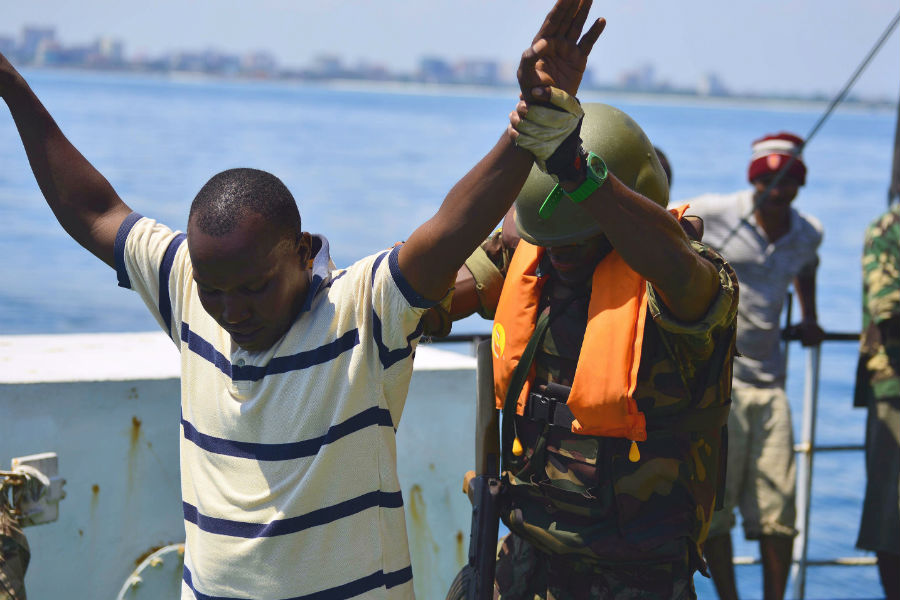
Publication
Criminality in Africa’s Fishing Industry: A Threat to Human Security
Conflicts of interest within Africa's fisheries sector enable unsustainable exploitation by foreign fishing firms and undercut the political will needed to build more robust surveillance and prosecutorial capacity.
Spotlight
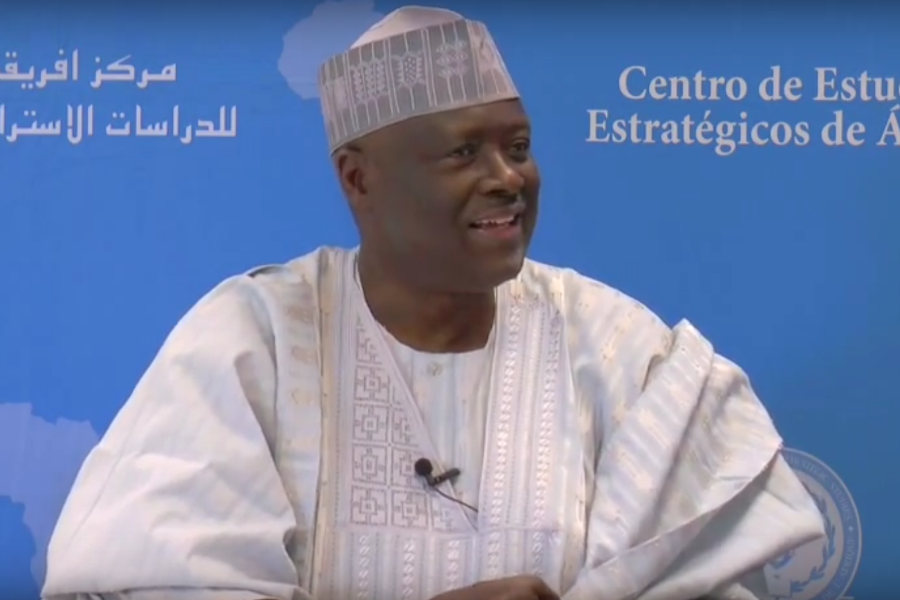
Ethical Leadership in Practice
“To be an effective leader, you must want to empower those following you,” says General Martin Luther Agwai in an interview with the Africa Center for Strategic Studies.
Publication
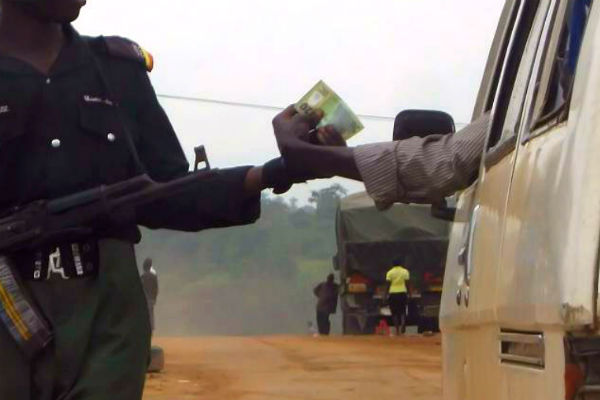
Governance, Accountability, and Security in Nigeria
Most of Nigeria's security threats require security forces—especially police—that are well-governed, respected, and have effective oversight mechanisms.
Spotlight
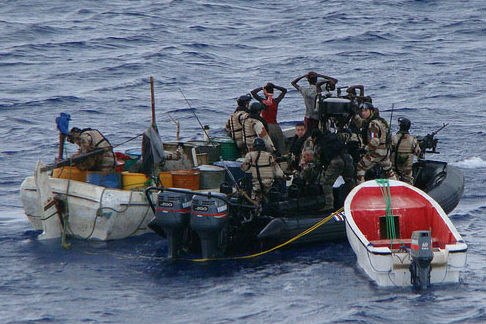
Maritime Security in the Gulf of Guinea
The territorial waters of most Africa states are vulnerable because sovereign control is seldom fully exercised due to inadequate maritime domain awareness and response capacity. The magnitude of the threats will increase unless African governments enhance their security capacity.
Spotlight
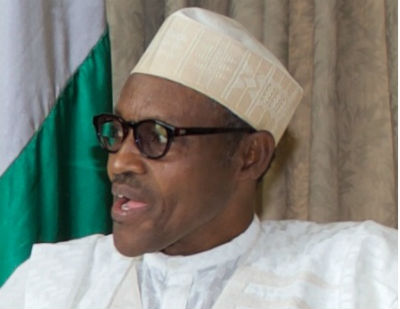
The outcome highlights the professionalism of the national election commission, the active engagement by civil society, and the statesmanship of President Goodluck Jonathan. While a host of governance, economic, and security issues must be faced, the smooth electoral process is a welcome milestone and vital foundation for the country as it moves forward.

Spotlight
Fundamental Security Challenges Nigeria Must Face: An 8-Part Series
After a hard-fought and competitive election, Muhammadu Buhari became Nigeria’s 4th democratically elected president. Observers from around the world commended Nigeria for the smooth transition between rival political parties. Nigerians, neighboring countries, and international actors alike are now expectantly watching to see how Nigeria manages the many challenges facing Africa’s most populous country and largest economy.
Publication
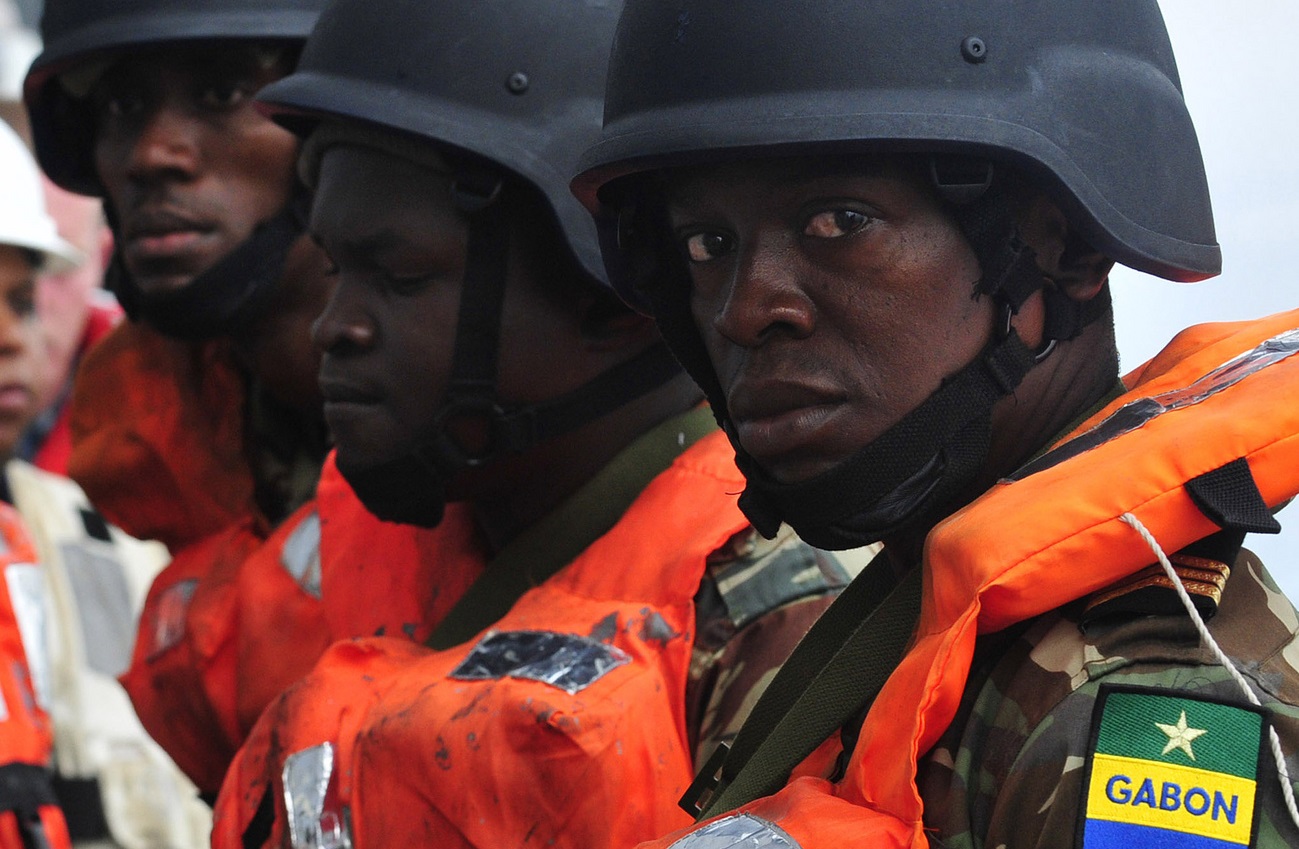
Combating Piracy in the Gulf of Guinea
Stronger national, regional, and international political commitments are needed to reverse the worsening trend of maritime insecurity in the Gulf of Guinea.
Spotlight
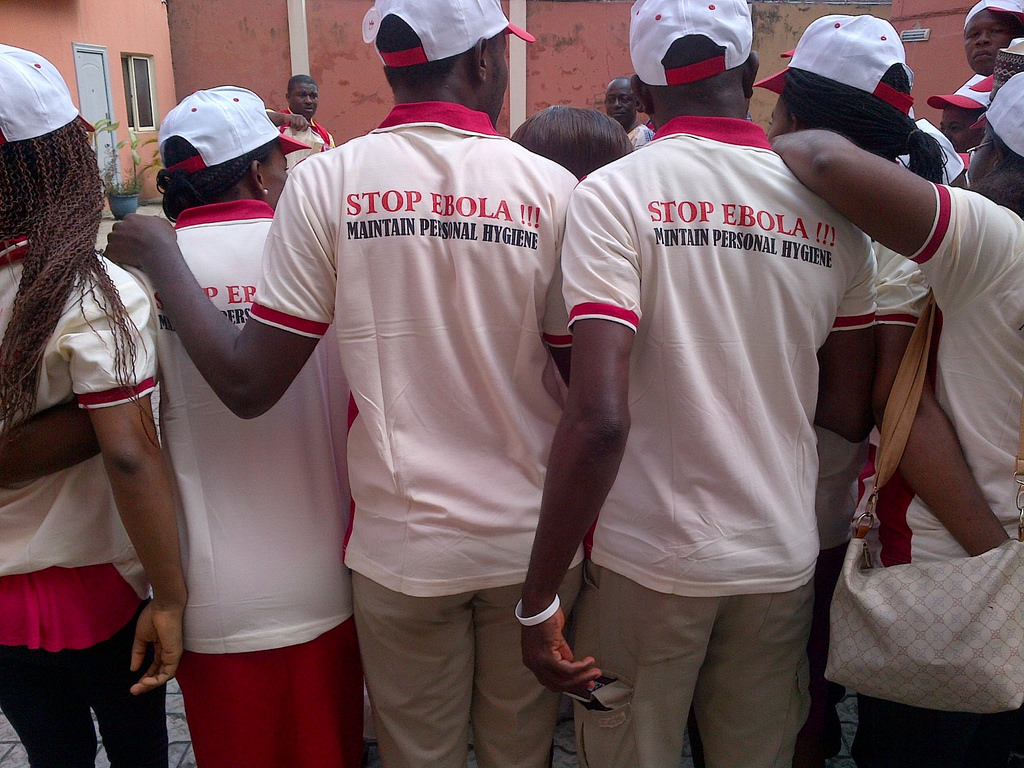
No Time for a Learning Curve: Nigeria’s Crucial Success against Ebola
As soon as it discovered the presence of a sick Ebola patient, Nigerian authorities declared a national public health emergency, enabling Nigeria’s Ministry of health to establish the Ebola Emergency Operations Center (EOC), a “war-room” that fostered collaboration between Nigerian government officials, medical professionals, and international advisers. This was a crucial step in allowing the country to tap into the resources and experience of international and regional partners.
Expert Publication
Boko Haram and the Isolation of Northern Nigeria: Regional and International Implications
Boko Haram’s violent campaign for an Islamic state in northern Nigeria has led to the growing isolation of this region. Trade in Kano, the economic hub of the north, is estimated to have been cut by half in recent years. Roughly $15 billion worth of annual trade and two million traders from neighboring countries used to flow through Kano. As Boko Haram’s violent attacks have increased, fewer traders are crossing the border to take the risk. This coincides with a stream of businesses leaving northern states from Borno to Kaduna for greater stability in the south. Boko Haram’s high-profile kidnapping of French tourists in February 2013 accelerated the plunge in travel in the region. Internet and cell phone access have similarly been restricted due to Boko Haram’s bombing of 24 base transceiver stations belonging to at least six telecommunications companies in the northeast.
Publication
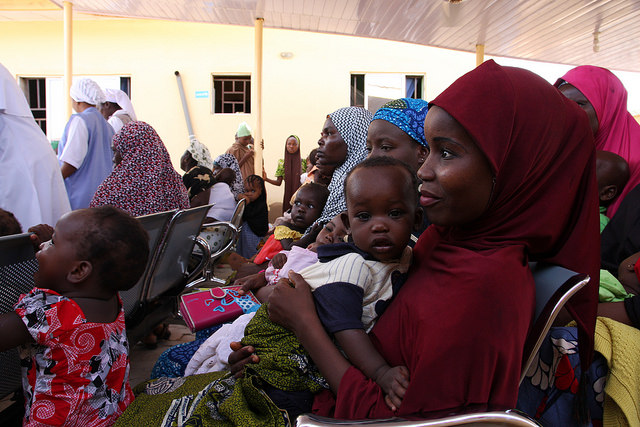
Mitigating Radicalism in Northern Nigeria
Mitigating radicalism, in northern Nigeria as elsewhere, requires a sustained approach targeting every stage of the radicalization spectrum.
Publication
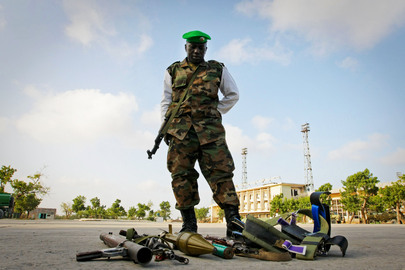
The rise in Islamic militancy in the Sahel, northern Nigeria, and the Horn of Africa has elevated attention to this evolving security concern. Hopes that Africa’s historically moderate interpretations of Islam would suffice to filter extremist views from gaining meaningful traction seem increasingly misplaced. More generally, understanding of this unconventional security challenge is often based more on speculation than informed assessment. Responses must avoid conflating distinct Islamist actors while addressing local level perceptions of disaffection and under-representation that underpin support for militants.
Publication
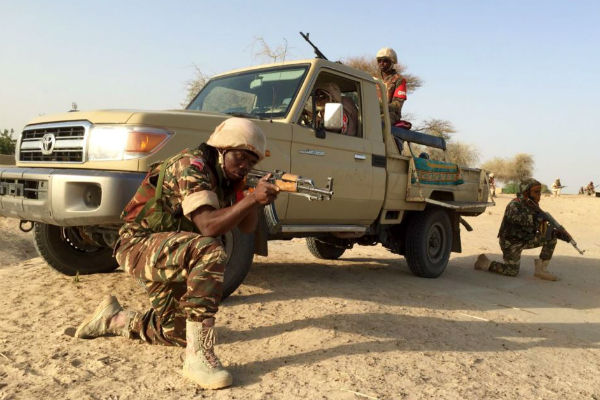
Support for Boko Haram among some of northern Nigeria’s marginalized Muslim communities suggests that security actions alone will be insufficient to quell the instability.
Publication
Nigeria’s Pernicious Drivers of Ethno-Religious Conflict
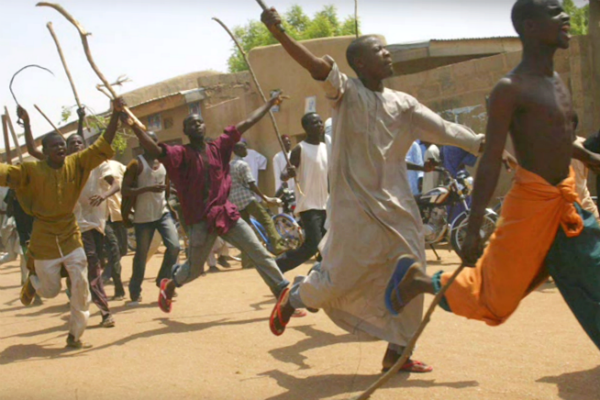
Navigating Nigeria's inter-communal fault lines will entail measures to mitigate ethno-religious conflict as well as realize constitutional reform.
 Also see our video playlist on Nigeria.